
















Story Highlight
– MPs urge investigation into black market obesity drug deaths.
– Health minister acknowledges NHS access drives unsafe alternatives.
– Patient safety risks raised about illicit anti-obesity sales.
– Calls for faster rollout of obesity treatments continue.
– Personal stigma experiences shared by health minister revealed.
Full Story
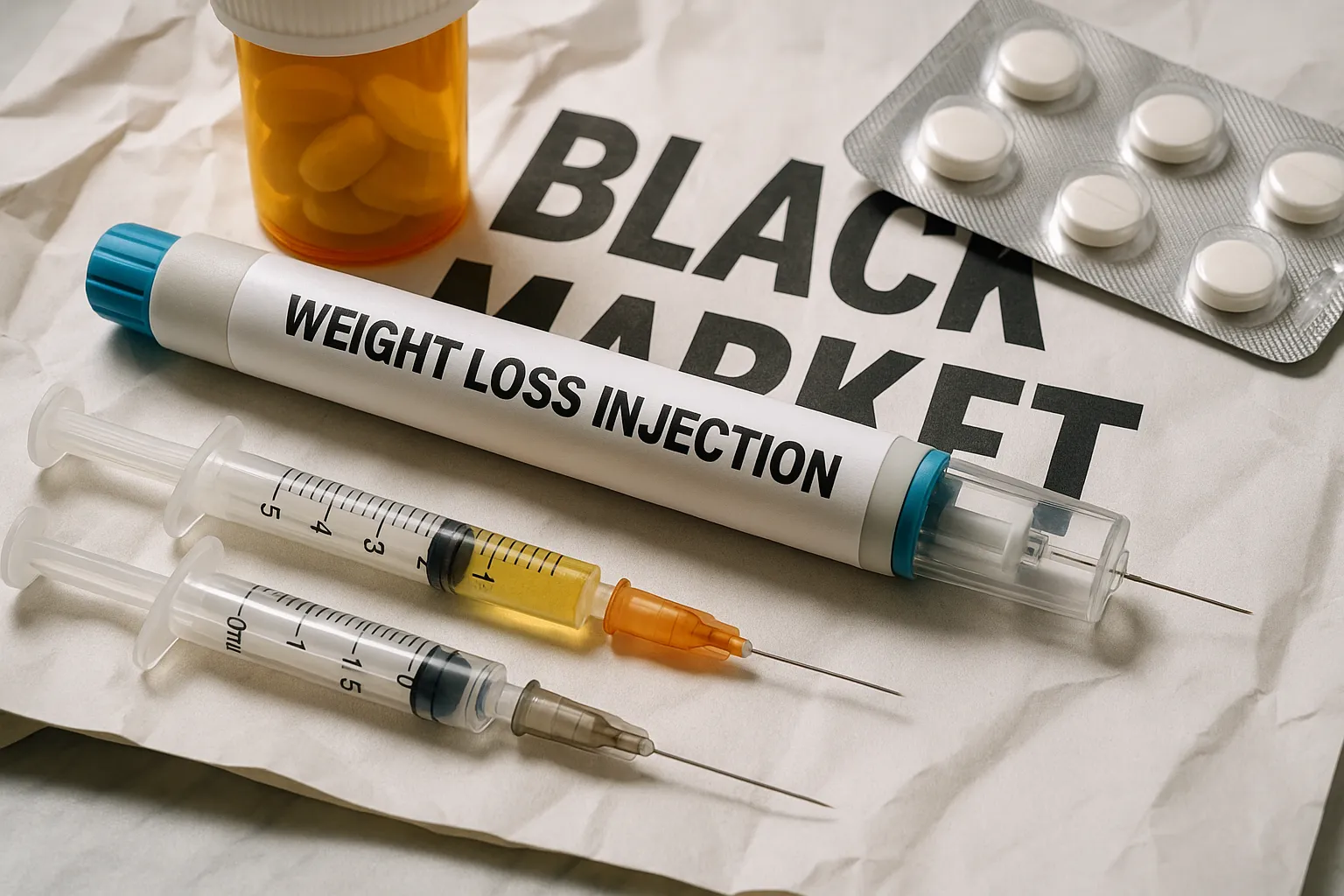
The ongoing debate surrounding the accessibility of weight loss medications through the National Health Service (NHS) has intensified, especially in light of concerns about the rise of black market alternatives. A recent session of the Health and Social Care Committee brought this issue to the forefront, as Members of Parliament pressed health officials to address the potential dangers associated with unregulated obesity treatments linked to multiple fatalities.
During the discussions, MPs expressed alarm over reports that some individuals, driven by limited options within the NHS, are turning to illicit sources for anti-obesity drugs. Conservative MP Gregory Stafford specifically emphasised this concern, warning that disparities in NHS access may pose serious risks to patient safety. He indicated that these constraints may be prompting individuals to seek out “unregulated and potentially unsafe sources” of treatment.
Public health minister Sharon Hodgson acknowledged the reality of the situation, agreeing that restricted access might effectively push people towards unregulated alternatives. She advised that patients should, if necessary, access these medications only through registered pharmacies—either local or online options. “I recognise that it will be a driver to people seeking those drugs elsewhere,” Hodgson explained, highlighting the significant cost pressures affecting the NHS’s prescribing capabilities and reiterating the need for caution as individuals navigate their options.
In discussions led by the committee, Professor Aidan Fowler, who serves as the national director of patient safety for NHS England, reported that the Medicines and Healthcare products Regulatory Agency (MHRA) is continually engaged in conversations about the threats posed by unregulated medical practices. He drew parallels between the dangers associated with black market drugs and those surrounding cosmetic surgery procedures.
The committee chair, Layla Moran, further illuminated the gravity of the situation by sharing a heartbreaking testimony about families affected by the consequences of black market obesity treatments. She recounted meeting with relatives of individuals who tragically succumbed to complications after seeking unlicensed injections, including cases where sepsis was identified as a contributing factor. “I’ve met with families whose loved ones have tragically passed away,” Moran stated, expressing concern that the administration of these illicit drugs could be directly linked to these deaths. She underscored the inadequacy of current regulatory oversight, urging health officials to take the issue seriously: “I really hope, minister, that when you go away and look at this that you bear in mind the fact people have already died as a result of this.”
Amidst these serious concerns, Hodgson emphasised the imperative to accelerate the availability of obesity treatments within the NHS framework. Acknowledging the current figures related to treatment accessibility as disappointing, she insisted that the healthcare system must act more swiftly to address the needs of those struggling with weight issues. “We’ve got to do it at pace,” she affirmed, mentioning the potential advantages of implementing a single patient record system to help identify individuals who would benefit from these treatments.
Moreover, Hodgson provided a glimpse into her personal experiences with stigma related to weight, recalling an instance when a general practitioner had referred to her as “fat” during a consultation. She described how this traumatic experience left her feeling “crestfallen,” thereby highlighting the societal prejudices often directed at those dealing with obesity. This testimony served to reinforce her conviction that conversations surrounding weight loss need to address not only medical options but also the emotional and psychological barriers faced by individuals.
In light of these discussions, it becomes increasingly apparent that the interplay between NHS resources, patient safety, and the availability of effective obesity treatments is a pressing issue that needs careful consideration. The implications of restricted access extend beyond physical health, as evidenced by the emotional toll that societal attitudes towards weight can exert on individuals seeking help.
The urgency for action is clear. As MPs continue to call for comprehensive reviews of the current situation, the case for better integration of effective weight management strategies into NHS services grows stronger. With mounting evidence pointing to the detrimental effects of black market drugs, particularly in terms of mortality, it is crucial that health officials act decisively to prevent further tragedies.
In conclusion, the narrative surrounding weight loss treatments remains fraught with complexity. It encapsulates not only a health crisis but also broader societal issues of access, safety, and stigma. As the healthcare system grapples with these challenges, it must strive to strike a balance that prioritises the health and wellbeing of patients while navigating the intricacies of regulation and service provision. The clarion call from MPs for immediate and effective action underscores the importance of a cohesive and robust strategy that addresses both the supply and demand aspects of obesity treatment in society.
Our Thoughts
To mitigate the risks associated with the unregulated sale of weight loss drugs, the NHS could improve accessibility to these treatments to discourage individuals from seeking black market alternatives. This aligns with Health and Safety at Work Act 1974, which mandates the duty of care towards patients, ensuring their safety and well-being.
Key lessons include the importance of adequate regulation and monitoring of drug distribution, as well as public health education on the dangers of unregulated sources. The Medicines and Healthcare products Regulatory Agency (MHRA) must enhance surveillance and response strategies to deter illicit sales and ensure patient safety, adhering to the Human Medicines Regulations 2012.
Additionally, increasing funding and resources for obesity treatment could significantly reduce pressure on individuals to seek unsafe options. Regular assessments of patient eligibility and needs should be instituted as part of risk management strategies under the Health and Safety (Miscellaneous Amendments) Regulations 2002.
Preventive actions could include stricter penalties for illegal sales of medical drugs and comprehensive outreach programs to inform the public about the risks associated with black market treatments, ultimately promoting safe, regulated access to healthcare.