

















Story Highlight
– Suzanna’s Kitchen recalls 13,720 pounds of chicken.
– Listeria monocytogenes detected in ready-to-eat products.
– No confirmed illnesses linked to the recall yet.
– Contaminated chicken shipped to seven U.S. states.
– Health officials urge vigilance for listeria symptoms.
Full Story
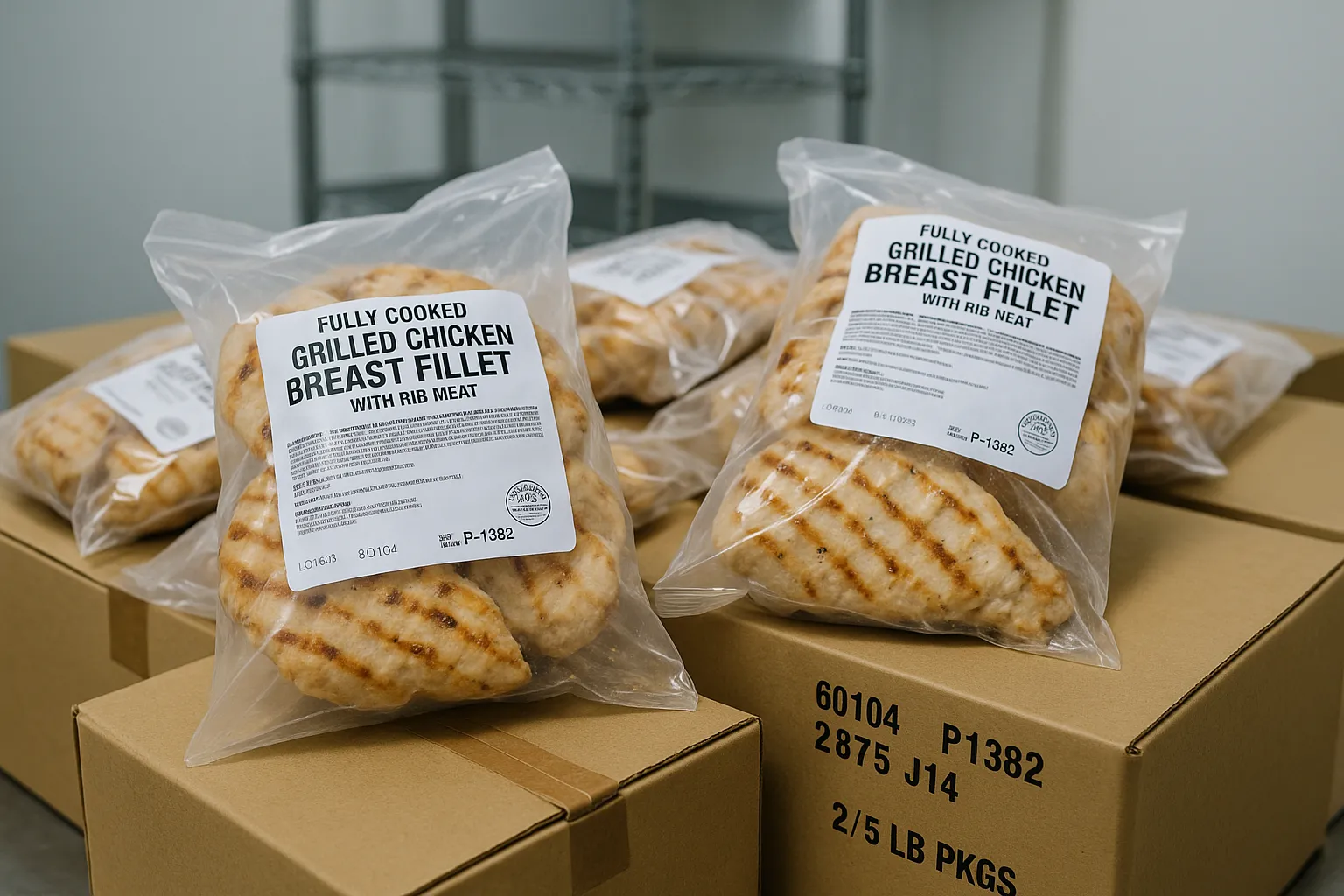
A food supplier based in Georgia, Suzanna’s Kitchen, has announced a voluntary recall affecting approximately 13,720 pounds of ready-to-eat grilled chicken breast fillets following a positive test for Listeria monocytogenes from a third-party laboratory. This recall, revealed on Friday, 16 January 2026, was communicated by the United States Department of Agriculture’s Food Safety and Inspection Service (FSIS). The notice primarily pertains to products distributed in bulk to foodservice distribution centres rather than those available in retail grocery stores.
Suzanna’s Kitchen is known for supplying fully cooked poultry products to various foodservice operations. Although no illnesses connected to the affected chicken have been reported thus far, health officials are advising commercial kitchens to assess their inventories promptly. They highlight that Listeria can thrive in cold storage conditions, underscoring the need for vigilance.
The specifically recalled items comprise ten-pound cases each containing two bags of five-pound fully cooked grilled chicken breast fillets, made using rib meat. Consumers can identify the affected products by the lot code 60104 P1382 287 5 J14, as well as the establishment number P-1382 located within the USDA mark of inspection.
The contaminated chicken was exclusively shipped to foodservice distribution centres in seven states: Alabama, Florida, Georgia, Missouri, New Hampshire, North Carolina, and Ohio. FSIS stated that the chicken implicated in the recall was produced on 14 October 2025. Foodservice entities operating in these regions are advised to inspect their cold storage areas urgently and to withdraw any products that match the recall specifications from usage. Currently, there has been no information disseminated regarding potential refunds, but customers with inquiries are encouraged to reach out directly to Suzanna’s Kitchen.
The emergence of this contamination has reignited concerns regarding Listeria monocytogenes, a bacteria infamous for its capacity to persist despite refrigeration and freezing. Health authorities caution that Listeria can linger in food production settings if cleaning protocols are inadequate. The Centers for Disease Control and Prevention (CDC) warns that the greatest risks from Listeria infection are posed to certain vulnerable groups, including pregnant women, newborns, older adults, and individuals with weakened immune systems. It is estimated that approximately 1,250 people in the United States contract listeriosis each year, with a significant portion of these cases occurring among the elderly.
Pregnant women face a particularly serious threat, with the CDC indicating that around 25% of affected pregnant women encounter pregnancy loss or neonatal death as a result of the infection. This reality highlights the critical need for awareness and rapid response to potential exposure to contaminated foods.
For individuals who may have inadvertently consumed the recalled chicken, health authorities recommend heightened awareness for symptoms related to listeriosis. Initial signs often resemble those of the flu, including fever, muscle pain, nausea, vomiting, and diarrhoea. In more severe cases, individuals may experience symptoms such as headaches, stiff neck, confusion, loss of balance, or seizures. Notably, the CDC states that symptoms can manifest anywhere from three to seventy days following ingestion of contaminated food.
Those who have consumed the recalled chicken and begin to feel unwell should seek medical attention promptly, advising their healthcare provider of any exposure to the potentially contaminated product. FSIS stresses that especially for high-risk individuals, early intervention is crucial even if initial symptoms appear mild.
As the situation develops, health officials continue to monitor the circumstances surrounding the recall and the potential impacts on public health. The incident serves as a stark reminder of the ongoing vigilance needed in food safety and the risks associated with contaminated food products. The implications of such recalls extend beyond the immediate safety of affected consumers, impacting foodservice operations and prompting broader discussions about food safety standards in the poultry industry.
Suzanna’s Kitchen, like other food suppliers, is under pressure to ensure the integrity of its products. In light of these events, the company is expected to review its safety protocols and procedures to prevent similar occurrences in the future. Consumers are encouraged to remain informed about food recalls and safety alerts in order to protect their health and wellbeing.
In summary, the recall of approximately 13,720 pounds of grilled chicken breast fillets underscores the importance of food safety vigilance, particularly in environments serving vulnerable populations. As investigations continue, foodservice operators and consumers alike are urged to take necessary precautions to mitigate risks associated with Listeria and to stay informed of any additional developments.
Our Thoughts
The incident involving Suzanna’s Kitchen highlights several safety shortcomings that could have been addressed to prevent Listeria contamination. Key lessons include the necessity of rigorous testing and sanitation protocols throughout the food supply chain, as mandated by the Food Safety Act 1990 and the Food Hygiene (England) Regulations 2013.
Regular monitoring of food processing environments and products is essential to mitigate contamination risks. Implementing Hazard Analysis and Critical Control Point (HACCP) principles would have helped identify potential hazards and set critical limits to ensure food safety. Employee training on hygiene practices should be emphasized to reduce the risk of contamination.
The recall suggests a breach of safety regulations promoting safe food handling and sanitation measures. If these measures had been rigorously implemented, the likelihood of Listeria surviving and thriving in the product could have been significantly reduced.
To prevent similar incidents, food suppliers must ensure comprehensive risk assessments and maintain strict adherence to established safety regulations. Products should be routinely tested before release to distribution to ensure they meet safety standards. Enhanced communication with foodservice clients regarding risks and proper handling can further safeguard public health.