
















Story Highlight
– Hannah Spencer introduces a bill for maximum workplace temperatures.
– UK currently lacks maximum temperature regulations for workplaces.
– Campaigners propose 30C limit for indoor work settings.
– Bill expected to receive cross-party parliamentary support.
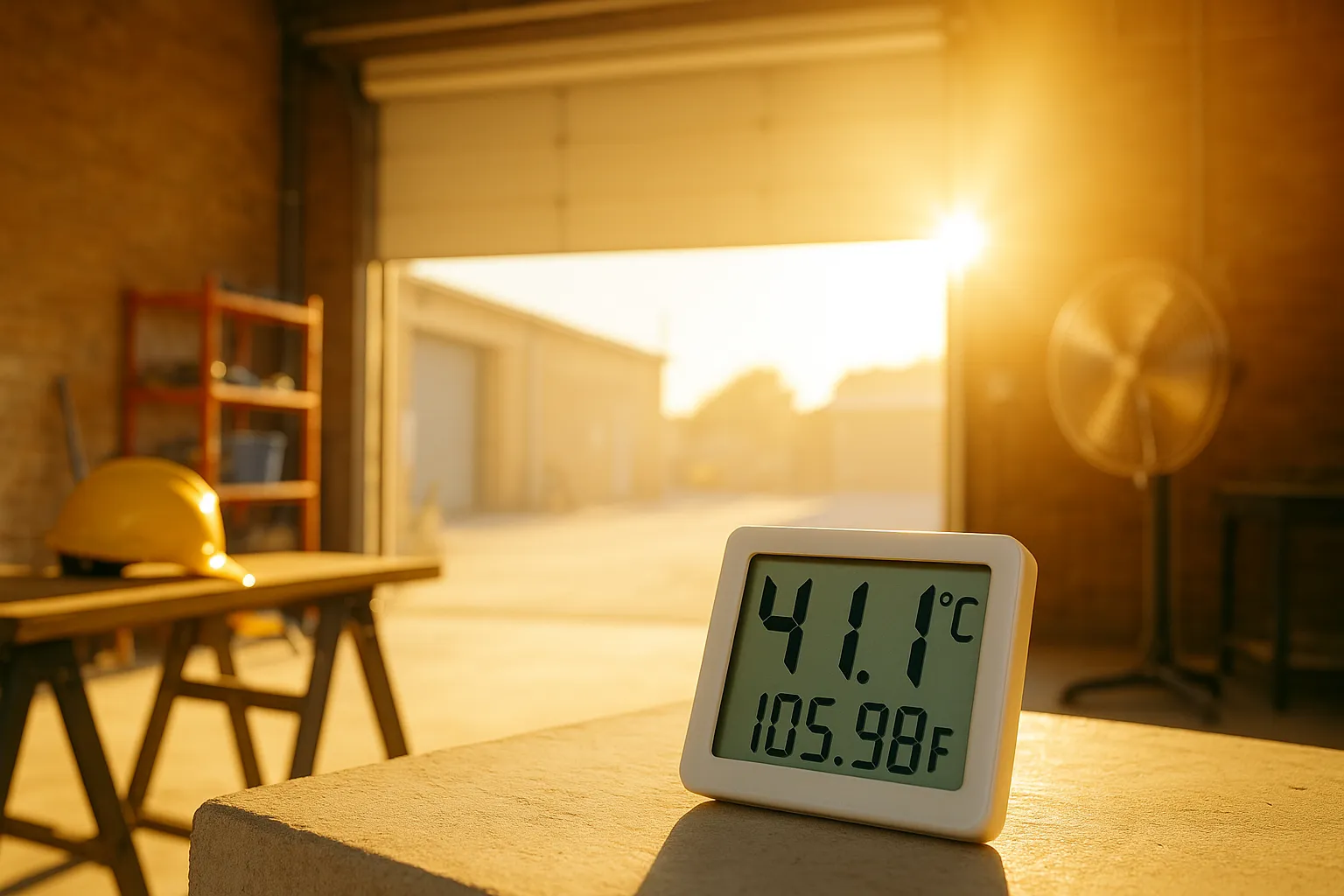
– Record-breaking heat raises urgent safety concerns for workers.
Full Story
The proposed introduction of a legislative bill by Green MP Hannah Spencer aims to address the significant challenges posed by rising temperatures in the workplace as the UK faces increasingly frequent heatwaves. This initiative seeks to establish a legally defined maximum allowable temperature within work environments, which has become an urgent issue in light of the escalating climate crisis.
If the proposed legislation comes into effect, it will result in the formation of an independent authority tasked with the responsibility of determining safe maximum temperatures for workplaces. Furthermore, the body will outline the steps necessary for implementing these temperature recommendations. The absence of guidance on maximum workplace temperatures has drawn criticism from campaigners and trade unions, especially as the UK already has health and safety regulations regarding minimum temperatures but lacks similar provisions for maximums.
Unison, along with the Trade Union Congress (TUC), has strongly advocated for the establishment of a maximum indoor working temperature of 30 degrees Celsius, with a recommendation of 27 degrees Celsius for more physically demanding jobs. This push reflects an urgent need to safeguard workers from excessive heat exposure, which has become increasingly prevalent during the summer months.
Spencer, who prior to her election served as a plumber, shared insights into the harsh working conditions many tradespeople endure in her constituency of Gorton and Denton. She highlighted the “unfair” temperatures that workers, such as bus and train drivers, bakers, and builders, are forced to contend with, often facing environments that exceed comfortable limits. “From bus and train drivers sweltering in cabins that are hotter than the soaring temperatures outside and bakers working in temperatures of over 40 degrees, to builders whose workplaces offer no respite from the heat, the government has a duty to protect all of us,” Spencer commented.
She further illustrated the challenges faced by frontline workers with a specific account from a constituent who described extreme discomfort while laying Tarmac during a heatwave, calling the conditions unbearable. Spencer voiced her disbelief at the absence of maximum temperature guidelines, describing this gap as “absurd”. She remarked, “This is something workers and trade unions have been raising the alarm about for many years – it shouldn’t have taken this long to act, but the unsafe temperatures we’re seeing now should be a huge wake-up call.”
The call for change has echoed amid recent events, with Spencer noting the chaos and significant human cost resulting from the extreme temperatures. She expressed concern over the government’s lack of communication regarding measures to protect workers from heat-related risks. Drawing on international examples, Spencer suggested that the UK could benefit from looking to countries like Spain, which imposes maximum temperatures for various types of work and allows employees to adjust their working hours during the hottest periods of the day to mitigate exposure to extreme heat.
Support for Spencer’s bill appears to be broadening, with backing expected from several key figures across party lines, including Labour MPs Rebecca Long-Bailey, Alex Sobel, and Nadia Whittome. Support is also anticipated from Graham Leadbitter of the Scottish National Party, Liz Saville Roberts of Plaid Cymru, and independent MP Jeremy Corbyn.
The Health and Safety Executive (HSE), however, has indicated that legal maximum temperatures cannot currently be enforced due to the complexity of factors contributing to heat in the workplace. For instance, the high temperatures in bakeries can be attributed to the use of ovens rather than external weather conditions. While there is no legally mandated minimum temperature, it is stated in the HSE’s code of practice that the recommended minimum for general work should be 16 degrees Celsius, or 13 degrees Celsius for jobs deemed physically taxing.
A recent report released in May by the Climate Change Committee, which serves as an advisory body to the government, suggested the implementation of regulations regarding maximum work temperatures. The report underscores the increasing risks that high temperatures pose to worker safety and also advocates for the promotion of cooling measures within workplaces. However, the report did not specify any particular temperature thresholds, and the government has not yet provided a formal response to these recommendations.
Nevertheless, the government has taken a step forward by announcing a forthcoming public consultation to gather opinions on updating current HSE guidance, which could entail the establishment of temperature thresholds. Notably, the frequency of extreme temperatures has been on the rise, with records showing temperatures exceeding 34 degrees Celsius nine times this year, surpassing the previous record of seven days set in 1976 and 2020. Additionally, there have been six instances of temperatures reaching 35 degrees Celsius or higher, marking a first for such occurrences. Experts have made it clear that the ongoing climate crisis, exacerbated by fossil fuel consumption, has played a pivotal role in the record-breaking heat experienced across the country.
Looking ahead, meteorologists have indicated that the intense heat affecting portions of England and Wales is expected to persist at least until mid-week. As temperatures soar, the call for legislative action to protect workers from extreme heat becomes ever more pressing, underscoring the urgent need for effective regulatory frameworks to safeguard the health and safety of those in workplaces across the UK.
Our Thoughts
To prevent the issues highlighted in the article regarding unsafe workplace temperatures, several measures should be implemented in line with UK health and safety legislation. Firstly, the introduction of maximum temperature regulations would provide clear guidelines for employers on acceptable working conditions, reducing health risks associated with excessive heat, and ensuring compliance with the Health and Safety at Work Act 1974, which mandates employers to ensure the health, safety, and welfare at work of all employees.
The absence of a maximum temperature guidance breaches the principle of risk assessment as outlined in the Management of Health and Safety at Work Regulations 1999, which requires employers to take necessary measures to mitigate potential hazards. Implementing a tiered approach based on different types of work, similar to practices in other countries, would enable better risk management during heat waves, allowing for adjustments to work schedules to avoid extreme temperatures.
Moreover, for industries like construction and food service, specific protocols should be established to ensure that work environments remain within safe temperature limits, potentially through the use of cooling systems or rescheduling of labor-intensive tasks. The lack of proactive measures in addressing these heat-related risks underscores a critical safety lesson: protecting workers from environmental hazards is paramount and requires updated regulations responsive to the changing climate.