












Story Highlight
– Public consultation launched for selective licensing scheme.
– Targets private rented properties in specific Halton areas.
– Aims to improve tenant housing conditions and safety.
– Landlords must obtain licenses and meet management standards.
– Consultation open until October 18 for community feedback.
Full Story
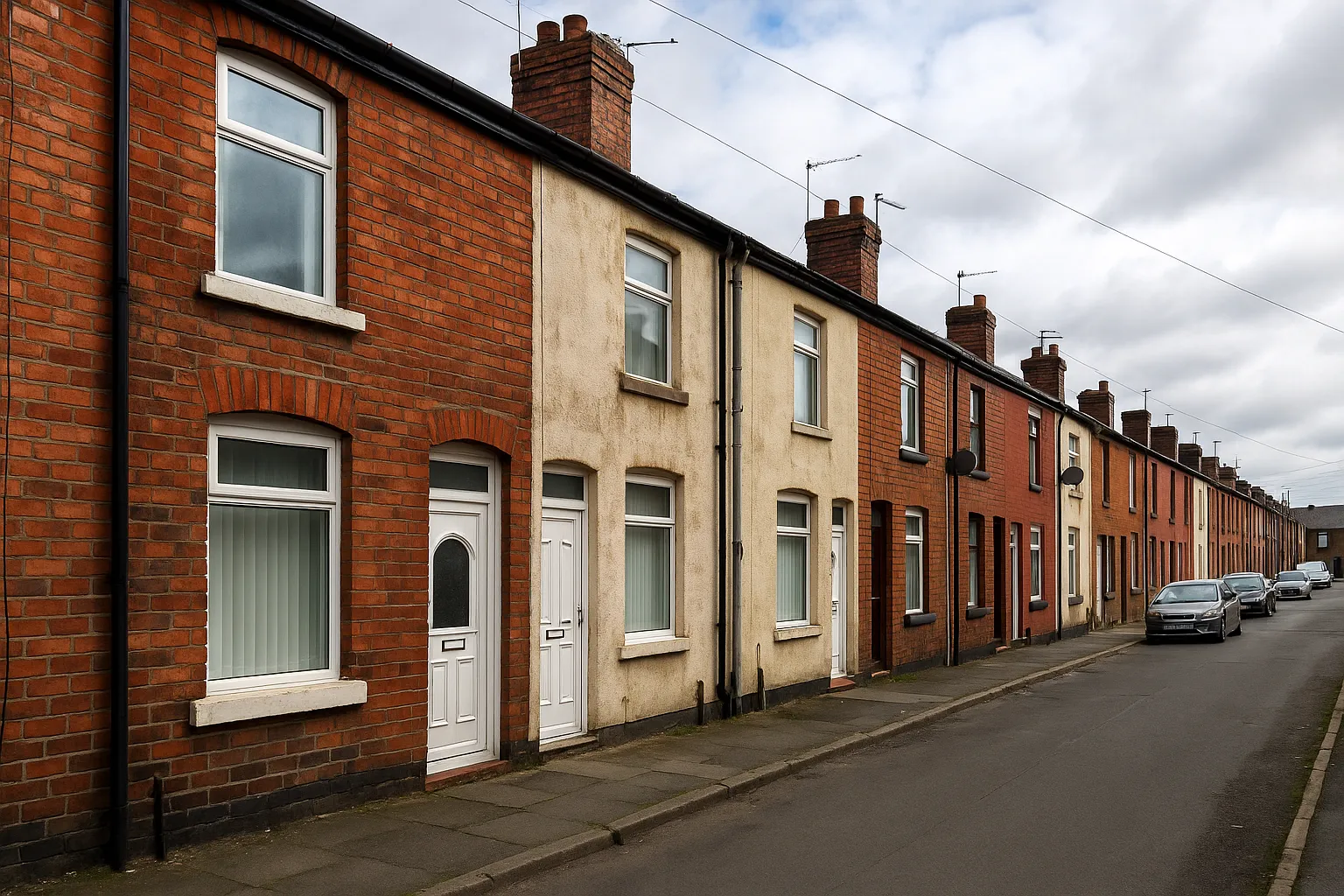
Halton Borough Council is set to initiate a public consultation regarding a proposed selective licensing scheme, designed to enhance living conditions for tenants in private rental properties across certain areas of the borough. This initiative targets specific wards in the towns, focusing on improving housing standards and tenant safety.
The proposed licensing scheme will affect wards such as Central and West Bank, Appleton, Mersey and Weston, Bridgewater, and parts of Highfield. This area encompasses approximately 3,485 private rented households, highlighting a significant portion of the rental market within the borough.
Councillor Paul Nolan, who oversees environment, housing, and regeneration for the council, expressed his support for the initiative, stating, “This proposal will enable the council to proactively intervene in the five areas subject to the scheme to ensure that private tenants are provided with safe, secure, and healthy homes.”
He further noted that this scheme would encompass over 40 per cent of the borough’s privately rented housing, notably including some of Halton’s oldest properties, many of which are identified as lacking in energy efficiency. Additionally, the plans stipulate that small houses in multiple occupation (HMOs) not currently subject to mandatory licensing will also be included under this new regulation, ensuring enhanced oversight and compliance with necessary standards.
“I would urge tenants, landlords, residents, businesses, and partners to read the proposals and tell us what they think to help us to deliver a scheme that works,” added Councillor Nolan, emphasising the importance of community feedback.
The consultation period is already open and will continue until the end of Sunday, October 18. Feedback from community members is crucial, as it will help shape the final regulations of the licensing scheme.
Selective licensing mandates that landlords within the specified areas obtain a licence and adhere to defined conditions regarding property management, safety, and maintenance. The council has amassed extensive evidence indicating a high prevalence of inadequate housing conditions and associated deprivation in particular wards, which host a significant number of private rental properties.
From 2020 to 2026, the proposed wards accounted for 257 housing condition complaints—amounting to about 39 per cent of all such complaints registered in the Halton area. Within this context, specific health risks have been identified in private rented housing; for example, approximately 22 per cent of homes in the Mersey and Weston ward, 20 per cent in Appleton, 19 per cent in Bridgewater, and 14 per cent in Central and West Bank are estimated to face category one hazards that pose severe health risks.
Dr Ifeoma Onyia, Halton’s director of public health, emphasised the connection between housing and health, stating, “Housing is one of the most important determinants of health.” She elaborated on the dangerous implications of poor housing conditions, which can lead to issues such as dampness, mould, and excessive cold. These factors may significantly affect physical and mental health, exacerbating conditions like respiratory and cardiovascular diseases. “The proposed scheme is evidence-based and focused on those areas where it will have the greatest impact in reducing health inequalities. I encourage everyone affected by the proposals to take part in the consultation,” Dr Onyia added.
Currently, the council’s enforcement response is largely reactive, mainly responding to issues raised by complaints rather than proactively addressing potential problems. Should the selective licensing scheme receive approval, it would empower the council to take a more assertive stance in enforcing housing standards. Landlords within the designated areas would be compelled to identify themselves, apply for a licence, and adhere to the stipulated enforceable conditions.
The proposed fee structure for landlords to obtain a licence has been set at £685 per property for a license valid up to five years, which breaks down to an approximate annual cost of £137. This fee encompasses an initial payment of £310 upon application and an additional £375 due after the approval of the licence. The consultation process also invites opinions on the affordability and structure of these fees.
Individuals wishing to contribute their thoughts on the proposals can do so online at app.keysurvey.co.uk/f/41847752/5d8d/ or by sending an email to housing.standards@halton.gov.uk, ensuring to include ‘selective licensing consultation’ in the email subject line.
Ultimately, operating properties that fall under this licensing requirement without the appropriate permit could be considered a criminal offence. The introduction of the selective licensing scheme would align with national reforms targeting improvements in the private rental sector, ultimately aiming to elevate living conditions for tenants in those areas most in jeopardy concerning housing quality and tenant welfare. The council’s proactive measures indicate a commitment to enhancing residential living standards across Halton, creating a safer and healthier environment for its communities.
Our Thoughts
The article highlights the need for improved regulation in the private rented sector in Halton, prompted by significant evidence of poor housing conditions and health risks. To mitigate similar incidents in the future, proactive measures should be established to ensure compliance with health and safety regulations.
Key improvements include the implementation of the Housing Act 2004, which mandates that landlords maintain properties free from hazards that could compromise tenant safety. Strengthening proactive inspections and enforcement rather than solely relying on a reactive model to address complaints would enhance safety outcomes.
Furthermore, the considerations for selective licensing align with the need to comply with the Homes (Fitness for Human Habitation) Act 2018, underscoring landlords’ responsibilities to ensure habitability. Regular inspections, mandatory training for landlords regarding health and safety standards, and a robust feedback system for tenants can also help prevent future issues.
The proposed changes should involve a clear communication plan to educate tenants about their rights and the licensing requirements of landlords, fostering a collaborative environment aimed at improving housing quality and safety in the private rented sector.