














Story Highlight
– Over 18 million customers face hosepipe bans in England.
– Thames Water bans hosepipe use for 10 million customers.
– Exemptions available for health, safety, and specific cases.
– Newly laid turf can be watered for 28 days.
– Restrictions apply due to ongoing heatwave conditions.
Full Story
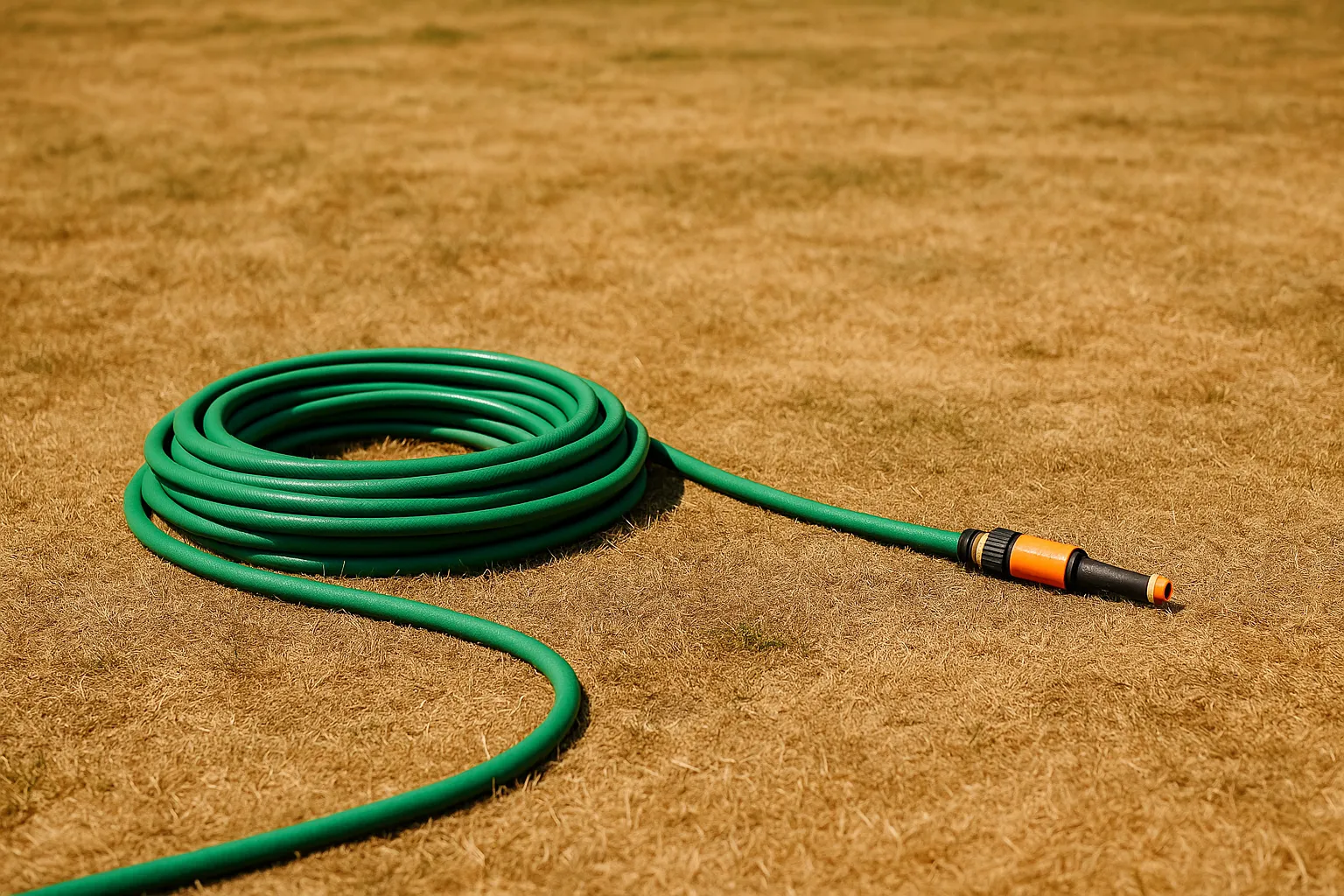
A hosepipe ban is set to affect over 18 million domestic and business customers in southern England as ongoing warm weather continues to strain water supplies. This restriction has now been implemented by several water suppliers, with Thames Water being the latest to announce a ban that will take effect from Thursday, limiting the use of hosepipes for various purposes, including garden watering and vehicle washing.
Thames Water’s decision affects more than 10 million customers directly supplied with water, contributing to a broader picture where roughly 18 million individuals and businesses across southern England now face restrictions. This comes in the wake of South East Water announcing temporary measures for around 2.4 million customers in regions such as Sussex, Surrey, Hampshire, and Berkshire, effective from Saturday. This follows previous bans already in place in Kent, and is part of a growing trend as several water companies including Anglian Water, Cambridge Water, Southern Water, and Affinity Water unveil similar measures.
Despite the imposition of these restrictions, there are specific exemptions in place. Notably, Thames Water’s ban does not apply to customers who receive their water from other suppliers but still rely on Thames Water for wastewater services, indicating that those affected may have alternative water sources available to them.
The company has detailed 23 exemptions within their legal notice concerning the hosepipe ban. These exemptions cater to a diverse range of circumstances. For instance, individuals with serious mobility issues—regardless of whether they possess a Blue Badge—are permitted to use hosepipes for watering gardens or cleaning vehicles, among other tasks. Furthermore, those on Thames Water’s Priority Services Register may qualify for exemptions based on various medical conditions, including serious illnesses or specific health requirements.
Other exemptions covered by the ban include the use of hosepipes for filling water tanks in caravans or motorhomes, maintaining swimming pools or hot tubs, and activities vital for human health and safety. This also extends to agricultural uses; farmers and commercial growers are given certain allowances as a means to ensure their operations can continue without undue disruption.
In a similar vein, Anglian Water has communicated that individuals registered on their Priority Services Register who face restrictions due to health conditions or disabilities can continue to utilise hosepipes under defined circumstances. Notably, hosepipes can also be used in conjunction with water butts or recycling systems, allowing for more sustainable practices during the ban. Additionally, watering newly planted trees, saplings, and grass seed is permitted for the initial 28 days after being laid, assuming using a watering can is not feasible.
Affinity Water has echoed these sentiments, indicating that their customers on the Priority Services Register, those on the WaterSure tariff, and Blue Badge holders are exempt from restrictions. Similar exceptions apply to new turf laid within a four-week timeframe prior to the ban. The company underscores the importance of ensuring that these provisions allow individuals and families to maintain their essential plants and crops, especially in difficult conditions.
South East Water has also outlined their exemptions, specifying that those registered on their Priority Services Register are automatically relieved from any restrictions. They have clarified that hosepipes can still be used if attached to a water butt, and new lawns may receive water for four weeks after installation when done outside of peak hours, which are defined as between 8 am to 10 am and 5 pm to 9 pm.
Southern Water’s hosepipe ban affects approximately 791,000 customers within 336,000 properties in Hampshire, alongside an additional 144,000 customers residing in 75,000 properties on the Isle of Wight. Exemptions similarly cater to medical or mobility needs, while also allowing for watering certain recreational and agricultural spots, such as sports pitches, for active playing areas and during designated times to mitigate potential issues related to health and safety.
As these bans take effect across southern England, they reflect a concerted effort by water companies to manage dwindling supplies during a period of extended dry weather. Experts underline the necessity for these measures, emphasising that every drop counts and stressing the significance of conservation during this challenging season.
Community responses to the bans have varied, with some residents expressing frustration over perceived unfairness in how restrictions are implemented. Others see the bans as a necessary precaution, recognising the need to safeguard water resources in light of increasingly warmer temperatures and changing weather patterns.
Overall, as southern England faces continued heat and potential water shortages, the implementation of hosepipe bans underscores both the challenges these regions confront and the initiatives being adopted to ensure water conservation moving forward. Cleaning, watering gardens, filling pools, and other previously commonplace activities may now require greater consideration and adaptation from millions of customers across the affected areas.
Our Thoughts
The hosepipe bans implemented by Thames Water and other suppliers in southern England were necessary due to the ongoing heatwave, with significant implications for both domestic and business customers. To mitigate the impact of such measures in the future, water companies could enhance communication and education about water conservation and the importance of adhering to restrictions. Clear guidelines can reduce confusion regarding exemptions and ensure compliance with the Water Resources Act 1991, which governs water usage and bans.
Additionally, companies should regularly assess their water supply and distribution systems to identify potential vulnerabilities during extreme weather events, as mandated by the Health and Safety at Work Act 1974. This proactive approach would help prevent service disruption and potential health risks associated with water shortages.
The exemptions for health and safety reasons under the hosepipe bans highlight the need for robust procedures to support vulnerable populations. Regular training for staff and clear policy guidance could ensure that customers in sensitive situations receive the necessary support.
In summary, improved communication, rigorous assessments of water supply systems, and better local support for specific groups could prevent confusion and mitigate risks associated with future water shortages.