















Story Highlight
– Improvements made to Wakefield prison’s safety and security.
– Prisoner-on-prisoner violence incidents have decreased significantly.
– Living conditions remain poor with urgent repair needs.
– Prisoners spend excessive time locked in cells.
– Staff shortages negatively impact daily prison operations.
Full Story
Improvements are underway to address the poor living conditions within Wakefield’s high-security prison, yet observers note that the pace of these advancements has been disappointingly slow. A recent report from the Chief Inspector of Prisons has highlighted actions taken by the management at Wakefield in response to the tragic incidents involving the deaths of two inmates, with two more having taken their own lives in the facility.
In the wake of these events, a significant number of prisoners have been relocated to other facilities deemed more appropriate, while the D wing of the prison has been designated for those identified as being at the greatest risk. This strategic move has reportedly contributed to a greater sense of safety among inmates. The prison’s management has initiated a reconfiguration of the facility to further enhance the safety of its residents. The introduction of new staff, including a recently appointed deputy governor, has also been noted, with the report indicating that prison leadership has become more visibly engaged within the institution.
Efforts to understand the root causes of violence within the prison have included surveys conducted among inmates. These analyses have informed better management strategies, including locking cell doors during communal activities to facilitate improved supervision by staff. As a result, the number of violent incidents between prisoners has shown a decline. However, challenges persist, as inmates are still experiencing extended durations locked within their cells. Furthermore, there has been a notable deterioration in health services, and numerous areas of the facility remain in urgent need of repairs.
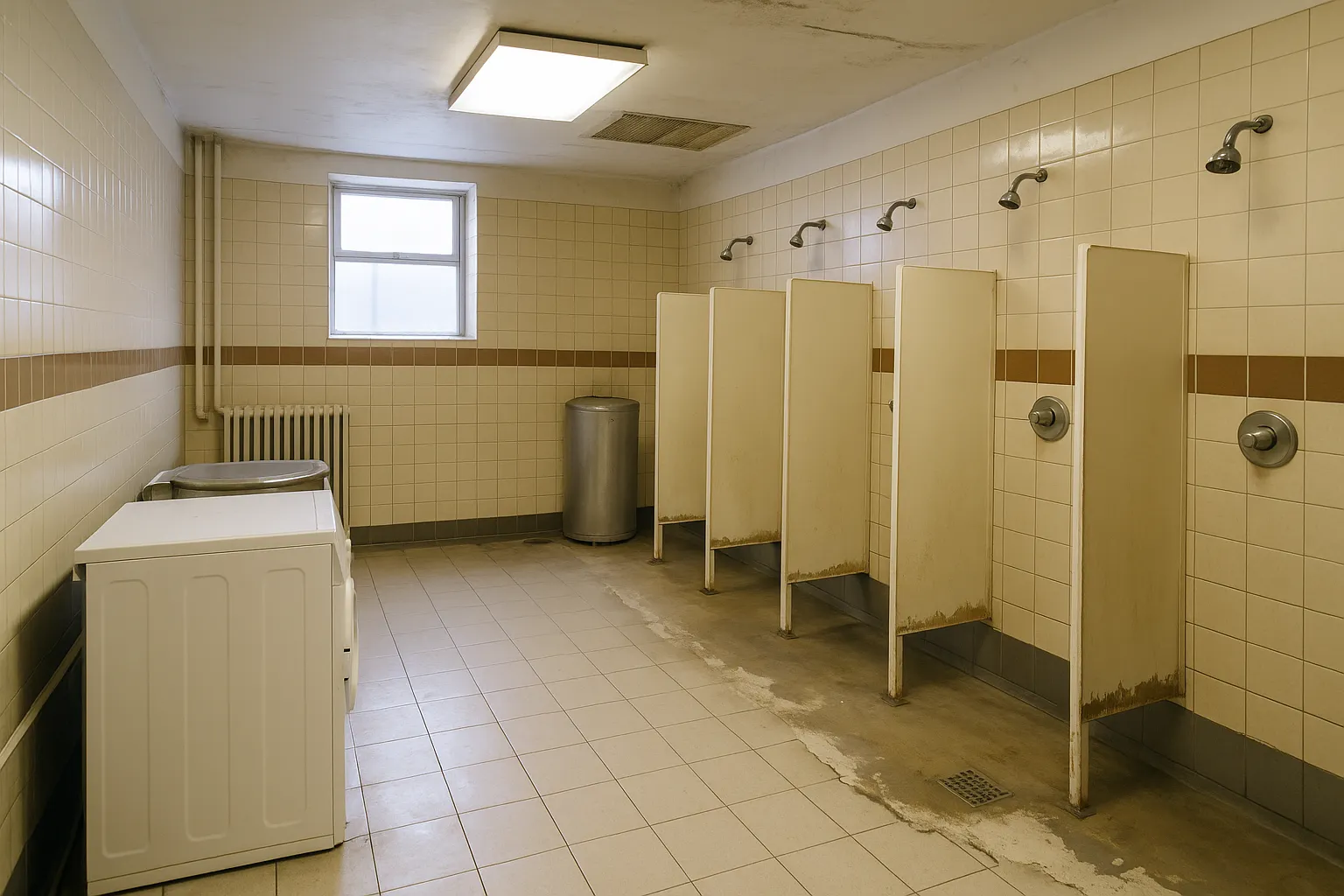
Living conditions continue to be critically questioned. A prior inspection conducted in 2025 described the state of the prison as “shabby,” particularly highlighting the poor conditions of the wings, with showers that were in dire need of repair and essential amenities such as water boilers and washing machines frequently breaking down. While recent observations have noted improvements in cleanliness regarding showers, their overall condition remains inadequate, with multiple units non-operational during inspection, alongside visible damage to flooring and issues with ventilation.
Funding for further improvements has yet to be secured, hampering potential upgrades to the infrastructure. Historical data from previous inspections indicate that nearly half of the prison population at Wakefield was effectively restrained during work hours, with limited availability for activities outside of cells. The latest report mentions that since the last inspection, inmates had endured prolonged periods under a restrictive regime due to a string of serious incidents, with attempts to return to a more standard regime only having commenced in January 2026.
The report highlights that staff shortages, coupled with inadequate infrastructure and a diminished curriculum, have led to a significant reduction in the number of inmates able to engage in full-time work. Consequently, the prison management has shifted towards a system where most prisoners are expected to work only half of the week. During routine roll checks, it was noted that 45% of inmates were confined to their cells, showing slight improvement from the 51% recorded during the last comprehensive inspection.
The continuing issue of staffing shortages has been cited as a major obstacle affecting the prison’s operational efficiency and the overall regime. Inmates have expressed frustrations regarding the extended lockdown periods, alongside the inconsistencies of the regime, which have compounded feelings of dissatisfaction. Weekend opportunities for activity have also declined significantly, with inmates averaging just 1.5 hours outside their cells on Saturdays and Sundays—down from three hours noted in earlier inspections.
While the Chief Inspector’s findings indicate progress in addressing two of the prior concerns identified in inspections, they also reveal insufficient progress on three key issues, with no meaningful advancements relating to another three. It is clear that despite some positive developments, significant challenges remain in improving the living conditions for prisoners at Wakefield.
Engagement and transparency appear vital in moving forward. The recent focus on gathering prisoner feedback provides a framework for future improvements that could lead to more significant changes in the prison’s management practices and policies. With ongoing scrutiny, the hope is that Wakefield’s prison authorities commit to persistent and meaningful reform.
As public discourse continues around the treatment of prisoners and the conditions within UK prisons, Wakefield remains a focal point for discussions on necessary reforms. The potential for improvement and the involvement of both prison officials and inmates in the process may yet yield a more rehabilitative environment for those incarcerated. For now, observers will watch closely to see how the prison navigates these challenges in the months ahead.
Our Thoughts
To prevent the tragic events at Wakefield prison, several key health and safety improvements could have been implemented under UK legislation. Firstly, the Health and Safety at Work Act 1974 mandates that employers ensure the health, safety, and welfare of all employees and non-workers. A thorough review of staffing levels would have addressed the ongoing staff shortages impacting prisoner safety and wellbeing.
Furthermore, the Management of Health and Safety at Work Regulations 1999 require risk assessments to be conducted. Regular risk assessments could have identified the deteriorating living conditions and mental health impacts on inmates. Effective action should have been taken to improve infrastructure and maintenance of facilities to comply with the Prison Act 1952, which emphasizes the need for proper accommodation for prisoners.
Additionally, the prioritization of rehabilitation activities is crucial, as lengthy lockdowns contribute to increased frustration and potential violence. Enhancements in the regime, allowing more time out of cells and engagement in constructive activities, would align with guidance from the National Offender Management Service.
In summary, better staffing, infrastructure improvements, and robust risk assessments are vital to avoid similar incidents and ensure compliance with UK health and safety legislation.