
















Story Highlight
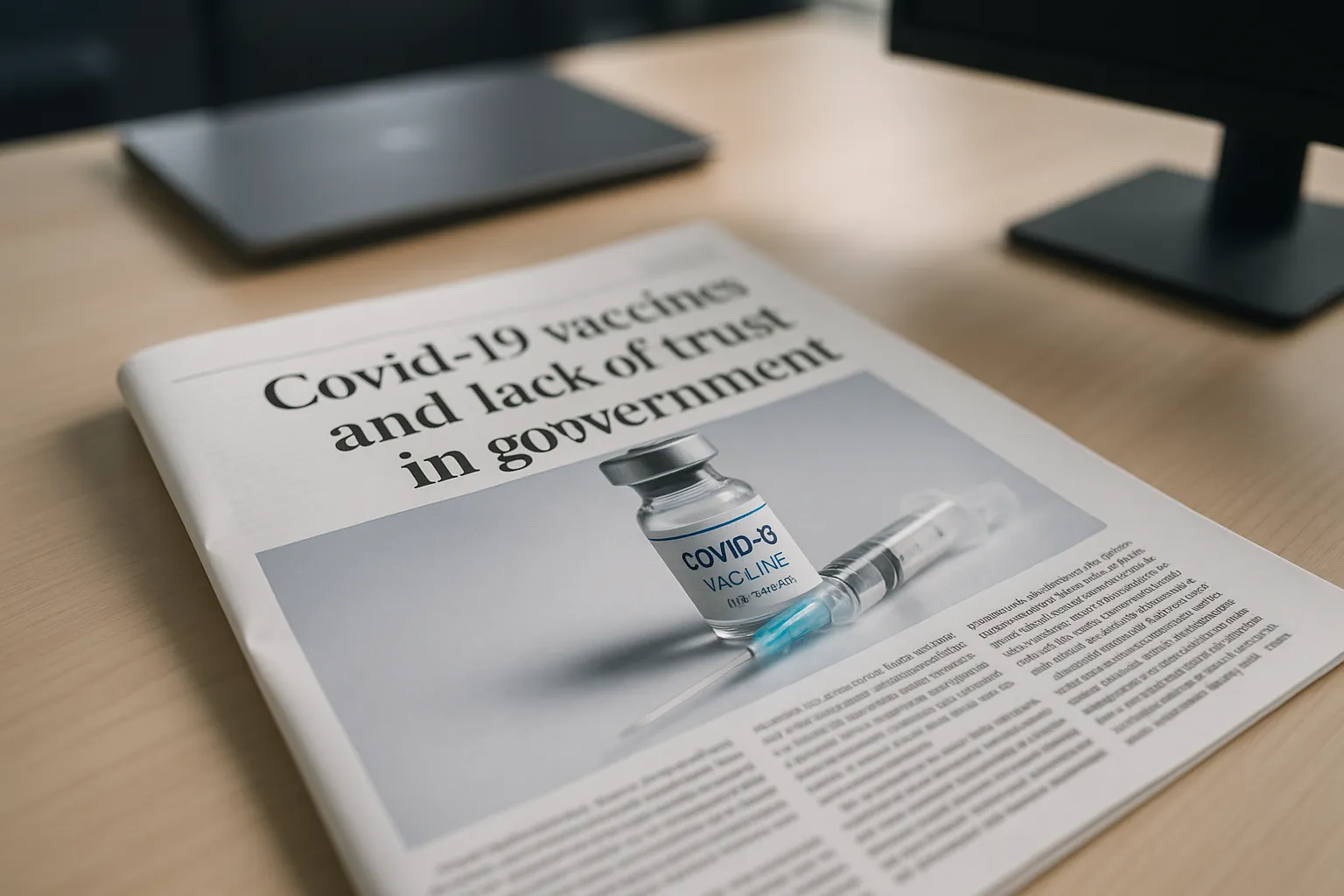
– Lack of trust in government fuels Covid-19 vaccine hesitancy.
– Inquiry calls for urgent trust rebuilding in communities.
– Mandatory vaccine decisions caused alienation and hesitancy.
– Payment scheme for vaccine injury needs urgent reform.
– Lower uptake among poorer communities and ethnic minorities noted.
Full Story
Concerns regarding government trust have emerged as a major factor driving misinformation and vaccine hesitancy during the Covid-19 pandemic, according to a recent inquiry report. Released on Thursday, the document highlights the pressing need for officials to restore public confidence in vaccination efforts ahead of potential future health crises, amidst ongoing global misinformation exacerbated by the influence of social media platforms.
Chairing the inquiry, Baroness Hallett underscored a significant deficit in public trust towards both government and health institutions, which has made communities more susceptible to misleading information regarding vaccines. Although she concluded that the rollout of Covid-19 vaccinations in the UK was, for the most part, a commendable success, she identified certain policy decisions, particularly those related to mandatory vaccinations for care home employees in England, as politically motivated rather than derived from clinical guidance. Such decisions may have inadvertently heightened feelings of alienation and contributed to increased hesitation among specific demographic groups regarding vaccination.
The inquiry report also pointed attention towards issues surrounding the compensation framework for individuals suffering adverse effects following vaccination. Baroness Hallett has called for urgent reforms to enhance this scheme, recommending that maximum compensation payouts be raised from the current limit of £120,000 to a minimum of £200,000.
Pharmacists have reported instances where individuals not eligible for Covid-19 vaccinations have been able to incorrectly arrange appointments. The inquiry further revealed the necessity for the government to actively tackle the wider phenomenon of vaccine hesitancy, calling for a more nuanced understanding of why certain populations remain reluctant or unable to receive vaccinations.
Despite the unprecedented speed of vaccine development, which did not compromise the UK’s stringent safety regulations, it was noted that this rapid advancement was driven by decades of prior research and preparation. By March 2023, vaccines had reportedly saved approximately 475,000 lives in England and Scotland, presenting a global narrative of successful vaccination efforts that reflect also positively on a worldwide scale.
The inquiry has highlighted the need for a concerted effort from all four nations within the UK to engage with communities demonstrating lower vaccine uptake rates, ensuring that vaccination resources are accessible and tailored to their specific needs ahead of any future pandemics.
Lady Hallett applauded the UK’s vaccination programme as an “extraordinary feat,” recognising the country’s prominent position as a leader in biomedical research. This facilitated not only rapid vaccine development but also a significant rollout across the population. She stated, “The vaccination programme was an extraordinary feat. Effective vaccines were developed, produced and delivered to the majority of the population in record time.”
In light of the revelations regarding injury compensation, she advocated for comprehensive reforms to the existing payment scheme, which has served as a source of frustration for many. Currently, the threshold requirement of demonstrating a 60% disability to qualify for compensation should be discarded, she argued, as it leaves individuals with substantial injuries without support. Instead, she highlighted the importance of introducing a tiered compensation system aligned with the severity of injuries incurred.
The inquiry’s findings illustrate the concerning trend of lower vaccination uptake in economically disadvantaged neighborhoods and certain ethnic minority groups, a scenario that was deemed predictable. Lady Hallett remarked, “While the majority of people took up the offer of vaccination when it was made, there was lower uptake within communities in areas of higher deprivation and in some ethnic minority communities.” She attributed this hesitance largely to safety concerns regarding the vaccines and potential side effects, areas which could have been pre-emptively addressed with tailored outreach and education strategies.
To this end, the report made five specific recommendations aimed at improving public health responses. These include the reevaluation of the compensation structure, enhancing access to healthcare records by regulatory authorities for better safety monitoring of new vaccines, establishing an expert advisory panel focused on pharmaceuticals, and implementing strategies that specifically target vaccination efforts while closely monitoring uptake and delivery.
In terms of financial implications, the government has reported expenditures of £111 million linked to the inquiry thus far, covering legal expenses and staffing. By the close of December, the total investment for the inquiry had approached £204 million, encompassing initial setup costs, legal counsel, and public hearings held across the UK nations.
The inquiry lays bare critical lessons as the UK continues to navigate the challenges of public health management. It serves as both a reflection on the experiences of the Covid-19 pandemic and a guiding document for future health crises, with a clear focus on cultivating the trust necessary for effective public health interventions. The call to bolster confidence in vaccines aligns with broader public health strategies essential for addressing hesitancy and misinformation, ensuring that communities are prepared should the need for widespread vaccination arise again.
Our Thoughts
The inquiry into the UK’s Covid-19 vaccination rollout identified key areas for improvement to enhance public trust and vaccine uptake. One significant lesson is the need for clear, consistent communication from government health authorities, as the report highlighted a “lack of trust and confidence.” Adhering to Health and Safety at Work Act 1974 obligations to provide accurate information and risk assessments could have helped alleviate concerns about vaccine safety and efficacy.
Moreover, the political nature of some mandatory vaccine decisions should have been strictly aligned with clinical advice to avoid alienating communities. This highlights the importance of the Management of Health and Safety at Work Regulations 1999, which require employers to assess and manage risks effectively.
To prevent similar incidents in future pandemics, proactive engagement with communities—especially those with lower uptake rates—should be prioritized, in line with the principles of the Health and Safety Executive’s guidance on public health. Additionally, urgent reform of the vaccine injury compensation scheme could be essential for ensuring trust by providing fair and swift support to those affected, aligning with the welfare and protection under the Health and Safety (Compensation) Regulations.