














Story Highlight
– UK regulators ban unsafe cutting of kitchen worktop stone.
– New rules mandate water suppression to control dust.
– HSE to conduct 1,000 inspections over next year.
– Rising silicosis cases among young stonemasons prompted measures.
– Calls for an outright ban on high-silica engineered stone.
Full Story
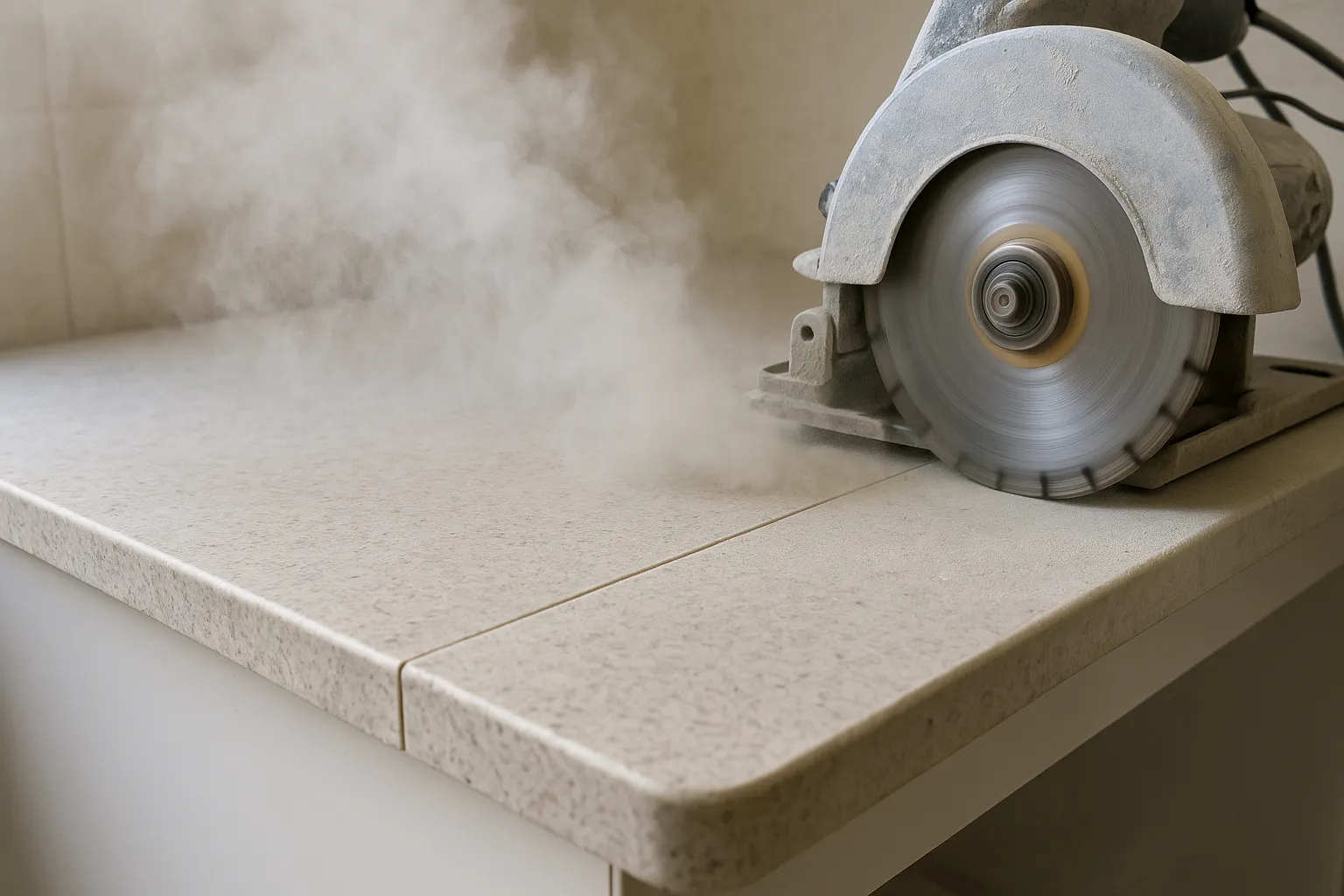
Regulatory authorities in the United Kingdom have instituted a groundbreaking ban on the hazardous practice of dry cutting engineered stone surfaces, driven by growing concerns over silicosis cases among younger tradespeople. This move follows investigative reports from The i Paper, which highlighted a disturbing increase in this debilitating lung disease linked to the exposure of workers to silica dust.
The Health and Safety Executive (HSE) introduced these new regulations aimed at eliminating dry cutting methods associated with engineered stone—more commonly referred to as quartz. Under the new guidance, employers are now legally required to implement water suppression techniques to mitigate the release of harmful silica dust, which poses severe health risks to workers.
To enforce these guidelines, the HSE has announced plans for 1,000 inspections across various workplaces in the UK within the upcoming year. This clampdown represents a decisive shift in health and safety enforcement for the stonemasonry industry.
The concerns surrounding silica dust exposure are increasingly validated by alarming statistics. According to reports, over 50 quartz stonemasons in the UK, primarily young immigrants in their twenties and thirties, have been diagnosed with silicosis since early 2023. The average age of these individuals is approximately 43, with four confirmed fatalities. Notably, one of the youngest affected is just 23 years old and has been referred for a lung transplant.
Silicosis, an irreversible condition, has traditionally been associated with occupations such as mining, where it generally takes decades to manifest. In contrast, cases related to engineered stone exposure are emerging at an alarming rate, with illnesses developing after as little as one year of exposure to silica dust. The HSE’s extensive research revealed that the risk posed by dry cutting methods was significantly greater, presenting silica dust exposure levels five to ten times higher than those resulting from safer wet cutting approaches.
Mike Calcutt, the HSE’s Deputy Director for Engagement and Policy, commented on the gravity of the situation, stating, “Today’s guidance marks our most significant intervention in the engineered stone sector to date, and not without good reason. Silicosis is incurable, but it is entirely preventable.” He urged employers to adhere strictly to the new guidelines to ensure worker safety and maintain industry standards.
The implementation of these regulations is seen as a major achievement for The i Paper’s ‘Killer Kitchens’ campaign, which has been relentless in advocating for improved worker protection. The campaign’s efforts garnered significant praise from the All-Party Parliamentary Group (APPG) on Respiratory Health, who acknowledged the tangible impact of the investigative work undertaken.
Despite the HSE’s new guidelines, trade unions have voiced concerns that more needs to be done to address the existing dangers associated with quartz cutting. Sian Elliot, Director of Organising at the Trades Union Congress (TUC), insisted that while the new regulations are a positive step, the most effective solution would be a total ban on the use of engineered stone altogether, reflecting moves made in other countries facing similar issues.
Reports indicate that the dangers of silica exposure are not unique to the UK; there have been significant outbreaks of silicosis in other nations including Spain and Australia. In response to the severe consequences of exposure, Australia has taken the extraordinary step of banning engineered stone completely, a measure that many in the UK are urging to replicate.
Statements from high-profile figures, such as Sir Stephen Timms, Minister for Social Security and Disability, reiterated the necessity of ensuring the safety of workers. He emphasized, “Every worker deserves to come home safe, without fear of losing their life to a preventable, deadly lung disease caused by their job.”
As the HSE’s inspection campaign begins, it will focus on firms and individuals violating the new health and safety guidelines. Those found in breach of these regulations may face criminal prosecution, which could result in significant fines or even imprisonment for up to two years.
Kevin Bampton, Chief Executive Officer of the British Occupational Hygiene Society (BOHS), remarked that the new legislation offers critical clarity for the industry, stating, “Keeping people safe at work requires more than relying on HSE to do a good job.” He stressed the importance of media scrutiny in motivating companies to implement necessary safety measures.
In this evolving landscape, the future of stonemasonry in the UK hangs in the balance as regulators, employers, and workers navigate the implications of these new rules. The HSE’s decisive actions are aimed at creating a safe working environment and ensuring that no worker has to suffer the dire consequences of lung disease due to their profession.
Ultimately, the new guidelines serve as both a warning and a promise, a commitment to safeguarding the health of stonemasons and all workers handling potentially hazardous materials. It is a pivotal moment where awareness and action are converging in an effort to eradicate the risk of silicosis and reshape the future of the industry, ensuring that workers no longer face the threat of life-altering illnesses as part of their daily grind.
Our Thoughts
The recent ban on dry cutting of engineered stone and introduction of water suppression tools by the Health and Safety Executive (HSE) highlight critical lapses in health and safety compliance in the stone cutting industry. To prevent such incidents, stringent adherence to the Control of Substances Hazardous to Health (COSHH) Regulations is essential. Employers must implement prior risk assessments and use appropriate dust control measures, such as wet cutting or appropriate respiratory protective equipment (RPE).
Failure to comply with these regulations, which resulted in numerous silicosis cases, signifies a breach of worker safety laws. Enhanced training and education for employers and workers on the risks associated with respirable crystalline silica and the importance of protective measures could mitigate future health risks.
Moreover, ongoing surveillance and health monitoring should be mandated for workers exposed to silica dust. The introduction of real-time detection systems could further enhance safety and ensure compliance. Overall, stronger enforcement of existing regulations, coupled with a potential outright ban on high-silica content engineered stone, might be necessary to safeguard the health of workers in this sector.