
















Story Highlight
– Dr. Erica Schwartz confirmed as new CDC director.
– Secured position with a 51-44 Senate vote.
– Faces significant political interference and low morale.
– Previous skepticism turned to confidence from Senator Cassidy.
– CDC has lost over 3,000 employees recently.
Full Story
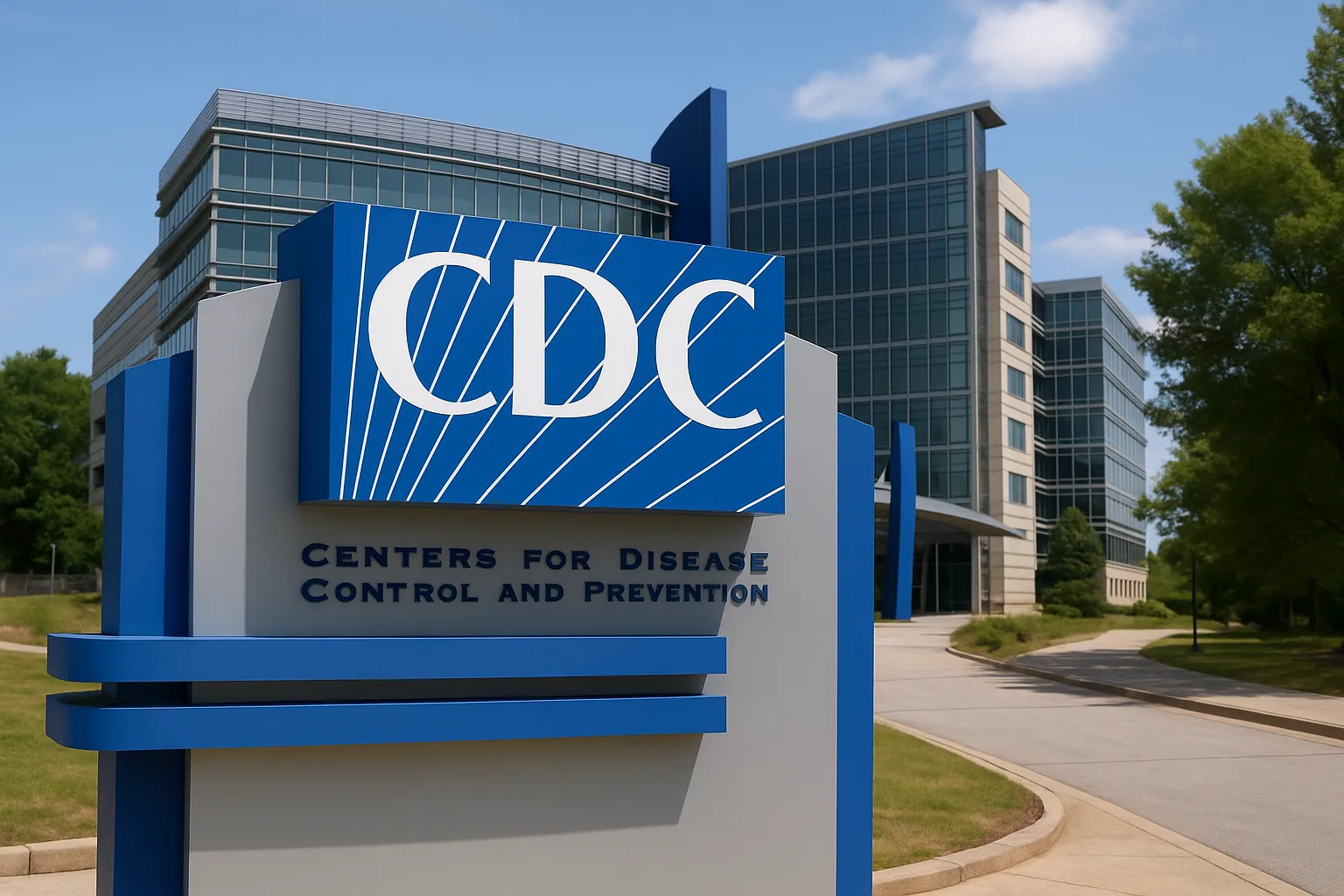
The United States Senate has officially approved the appointment of Dr. Erica Schwartz as the new director of the Centers for Disease Control and Prevention (CDC), an agency currently facing myriad challenges, including political pressure and a notable decline in employee morale. Dr. Schwartz was confirmed with a narrow vote of 51-44, becoming the CDC’s 22nd director and the first to be confirmed in close to one year. The Atlanta-based CDC is charged with protecting public health and preventing health threats nationwide.
At 54 years old, Dr. Schwartz comes to this pivotal role equipped with an impressive educational and professional background. She holds both medical and law degrees and has served previously as deputy surgeon general, as well as in a leadership position within the U.S. Coast Guard. Though her nomination faced initial doubts during a Senate Health, Education, Labor and Pensions Committee session last month, these hesitations seemed to evaporate after Senator Bill Cassidy of Louisiana, among others, engaged in further conversations with her. He expressed renewed confidence in her ability to lead the CDC effectively, particularly in the face of political directives that may conflict with established public health principles.
Following her confirmation, officials from the U.S. Department of Health and Human Services (HHS) have yet to announce the specifics regarding Dr. Schwartz’s starting date or salary at the CDC. The agency itself has endured a tumultuous period since the return of President Trump to office last year, having lost over 3,000 employees—more than a quarter of its entire workforce—primarily due to resignations and layoffs. This significant turnover has contributed to a drop in morale, exacerbated by a series of mostly temporary leadership roles filled by political appointees lacking substantial public health or medical expertise.
The National Public Health Coalition, which represents current and former CDC employees, issued a statement on Wednesday highlighting the numerous challenges Dr. Schwartz will encounter. The coalition stated, “Now, Dr. Schwartz needs to prove that her leadership will serve science and not the whims of politicians. CDC needs a Director who will protect public health workers, defend evidence-based guidance, and refuse any directive that would undermine public safety.”
Public health observers noted a cautious optimism surrounding Dr. Schwartz’s nomination, particularly given her extensive experience and the fact that she was President Trump’s choice, although her selection occurred in competition with Health Secretary Robert F. Kennedy Jr., a figure known for his controversial stance on vaccines before taking on a leading role in public health. This context adds an additional layer of complexity to Dr. Schwartz’s appointment, with observers keenly aware of the need for strong, science-based leadership at the CDC.
Her confirmation comes amid an unsettling period for the agency, which has witnessed significant leadership instability. Dr. Schwartz is the third nominee for the CDC directorship proposed by President Trump over the past year and a half. Earlier nominations included Dr. David Weldon, a former congressman from Florida, whose Senate hearing was canceled in March 2025 due to inadequate support. Afterward, Susan Monarez, who served in an acting capacity, was confirmed but removed after less than a month amid reports that she did not align with the President’s agenda. This ongoing pattern of transitions has fostered an environment of uncertainty within the CDC.
Dr. Georges Benjamin, executive director of the American Public Health Association, underscored the pressing need for stable and experienced leadership within the CDC. He stated on Wednesday, “With all the turmoil of the past two years, the CDC desperately needs stability, experienced leadership, and a steadfast commitment to science.” This sentiment reflects the urgency of the situation as numerous federal health agencies, including the position of the U.S. surgeon general and the head of the Food and Drug Administration, also grapple with leadership shortages.
The CDC’s future capabilities in safeguarding public health will depend heavily on Dr. Schwartz’s ability to re-establish trust within the public health community while also addressing the myriad health challenges facing the nation, from infectious diseases to chronic health issues. The need for a definitive public health strategy guided by scientific evidence rather than political considerations is paramount in these times.
As the CDC embarks on this new chapter under Dr. Schwartz’s leadership, health experts and the public alike will be closely monitoring the agency’s direction and effectiveness in navigating both political landscapes and public health imperatives. The role of the CDC is vital in ensuring the health and safety of Americans, and the new director’s performance will be scrutinized as the agency moves forward in this challenging environment.
Our Thoughts
The article does not contain any specific incident related to UK workplace health and safety issues or violations of UK health and safety legislation. Therefore, no relevant safety lessons, regulations breached, or prevention measures can be derived from it.