














Story Highlight
– Nine fatalities reported in UK open water incidents.
– Majority of victims were children during heatwave.
– Royal Life Saving Society urges caution around water.
– Record high temperatures correlated with increased drownings.
– NHS website visits surged for safety advice.
Full Story
**Tragic Losses Prompt Urgent Water Safety Warnings as UK Faces Heatwave**
In the wake of a severe heatwave that has swept across the United Kingdom, the Royal Life Saving Society (RLSS) is calling for heightened awareness regarding water safety after nine individuals tragically drowned in open water this past week. Among the deceased are several young victims, including a boy from Cheshire and others from various regions impacted by soaring temperatures.
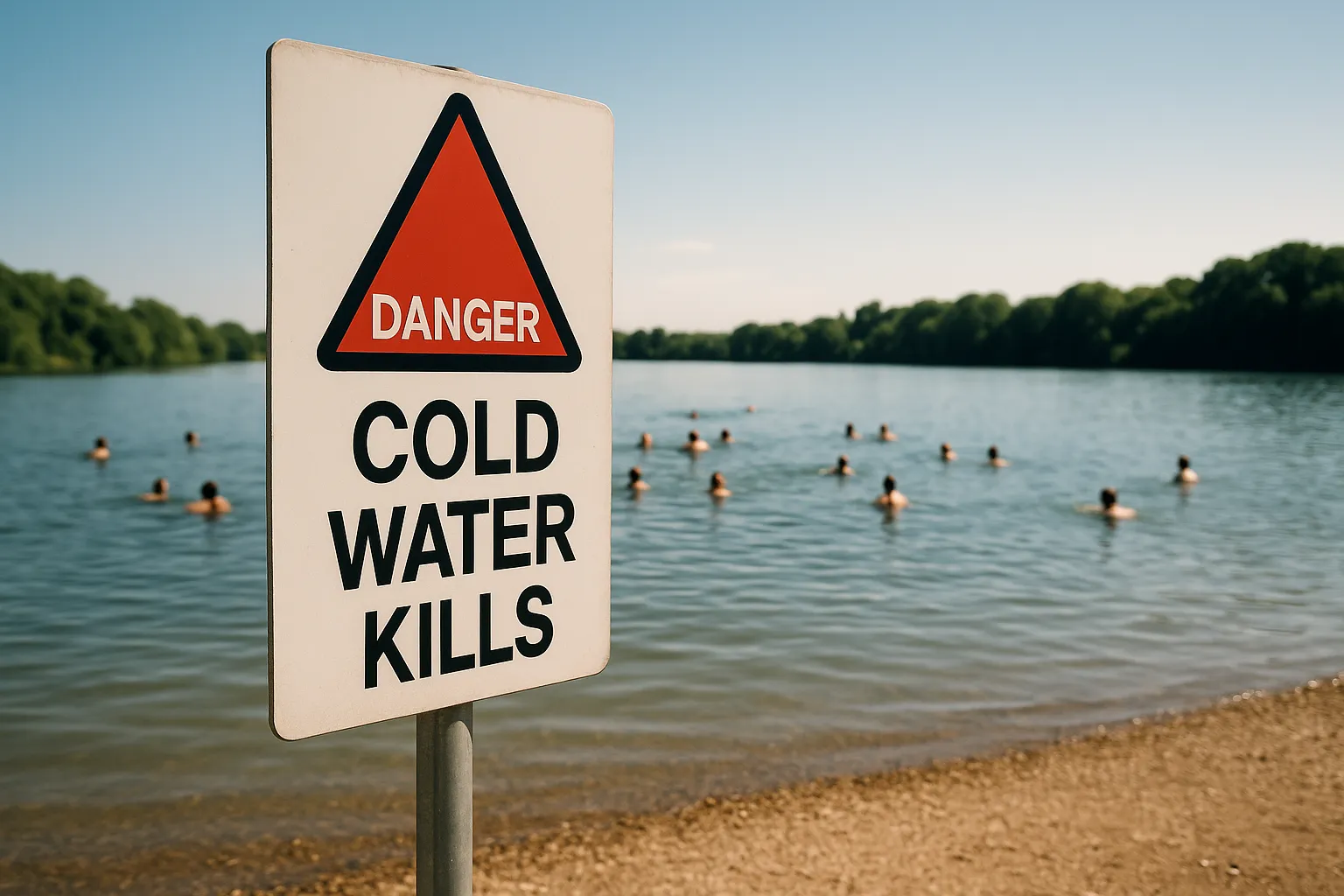
As extreme weather conditions hit the UK, prompting record-breaking warmth, officials are urging families to be vigilant and take necessary precautions when engaging in recreational activities near water. The RLSS has emphasized the need for everyone to “stop and think” before entering rivers, lakes, and coastal areas, especially given that warmer air temperatures are not an indicator of safe water conditions.
Despite the allure of refreshing open water, the RLSS has reiterated a concerning reality: “warmer weather unfortunately correlates to an increase in accidental drownings.” The organisation has pointed out that water temperatures remain dangerously low, posing significant risks even during hotter spells. The Met Office confirmed that Tuesday recorded some of the highest temperatures in recent history, with a peak of 35.1C at Kew Gardens in London and 32.9C reported in Cardiff’s Bute Park.
Tragic incidents have been reported nationwide, with fatalities occurring in areas spanning from South Yorkshire to Cornwall, and including notable events in Hampshire, Warwickshire, Cheshire, Pembrokeshire, Lincolnshire, and Lancashire. One incident involved 15-year-old Declan Sawyer, who lost his life at Swanholme Lakes in Lincoln on Sunday. Then, later that same day, a 72-year-old woman perished after being rescued from the waters at West Angle Bay beach in Pembrokeshire.
In a separate event on the following day, a 13-year-old boy—believed to be Reco Puttock—drowned at Leadbeater Dam, near Halifax in West Yorkshire. Tragedy continued as the body of a teenage girl was retrieved from Kingsbury Water Park in Warwickshire, and a man in his sixties suffered a fatal cardiac episode after entering the sea at Tregirls Beach in Padstow while attempting to save two family members caught in a perilous situation.
Moreover, the early hours of Tuesday brought further sorrow as a teenager’s body was recovered from water at Rother Valley Country Park in Rotherham. This sadness deepened with the discovery of a body during search operations for a teenage boy missing at Hawley Lake, located on the Hampshire/Surrey border. The situation escalated further, with Lancashire Police announcing that a body had been found in the River Ribble, which followed a distress call about a 12-year-old struggling while swimming with friends. Just the next day, Cheshire Constabulary confirmed a 17-year-old boy’s body was recovered from Pickmere Lake in Marston, Northwich.
The heartbreak isn’t confined to the UK, as neighbouring Ireland also faced sorrow. The Gardai announced the tragic drowning of a teenage girl at Burrow Beach, a spot popular among swimmers and beachgoers near Howth.
In response to the distressing incidents, the Royal National Lifeboat Institution (RNLI) underscored the “very real risk” associated with swimming in open water during such heat conditions. This warning is complemented by a surge in public concern for safety, illustrated by a dramatic rise in web traffic to NHS advice pages dedicated to health risks associated with the heat. NHS England reported a staggering increase, with more than 20,000 visits recorded to their heatstroke guidance page on bank holiday Monday alone, compared to only 488 visits the previous week. Total access to relevant NHS advice webpages soared over the weekend, reaching 36,724 visits, highlighting the public’s immediate need for safety information.
Parents and guardians particularly sought actionable guidance, resulting in a nearly 3,500% rise in page views for resources related to baby first aid and sun safety tips. It is clear that while many revelled in the sunny holiday weather, the health risks—especially to vulnerable groups such as young children and the elderly—remain concerning.
Warnings extend beyond drowning to the dangers posed by dehydration and heat exhaustion, conditions that can occur when the body loses excessive water and electrolytes leading to potentially fatal outcomes like heatstroke.
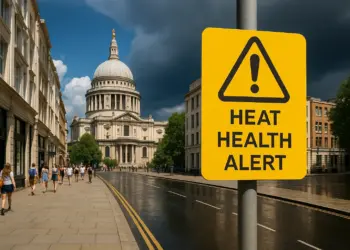
In anticipation of changing weather patterns, meteorological forecasts indicate a slight reduction in temperatures across the UK in the coming days, but health officials have extended heat health alerts for an additional 24 hours. The amber weather warnings from the UK Health Security Agency will remain in effect for various regions, including the South East, London, the East and West Midlands, and parts of the East of England until Thursday at 5pm. Simultaneously, the Met Office has issued a yellow thunderstorm warning encompassing much of Wales, the South West, and sections of the Midlands, signalling that severe weather may soon disrupt the high temperatures.
As the heatwave continues, the RLSS and other emergency services remain steadfast in their commitment to public safety and awareness, hoping to prevent further tragedies in the water.
Our Thoughts
To prevent the tragic drownings during the heatwave, increased emphasis on public safety education regarding the hazards of open water swimming is essential. The Royal Life Saving Society’s call for individuals to “stop and think” highlights a critical lack of awareness about the dangers posed by cold water temperatures, even in warm conditions.
Key safety lessons include the necessity of implementing effective public awareness campaigns before periods of extreme heat, particularly targeting families and children. Strategies could involve the distribution of safety guidelines via schools, local councils, and community centres to educate about the risks of swimming in unmonitored areas.
Relevant UK health and safety regulations that may have been breached include the Health and Safety at Work etc. Act 1974, which mandates that employers ensure the safety of the public. In this scenario, local authorities could be seen as responsible for inadequate safety measures near open water bodies.
Preventative measures could include improved signage at open water sites, regular safety patrols during summer months, and the establishment of designated swimming areas with lifeguard presence. Establishing clear guidelines and regulations on swimming in public waters would contribute towards avoiding similar incidents in the future.