
















Story Highlight
– Women’s Eye Health and Safety Month highlights eye health importance.
– 3.5 million UK residents live with cataracts currently.
– Women face higher cataract risks due to longer lifespan.
– Early cataract treatment can greatly improve vision and life.
– Newmedica Oxfordshire provides comprehensive eye care services.
Full Story
Women in Oxfordshire are being encouraged to prioritise their eye health throughout April as part of Women’s Eye Health and Safety Month, with mounting worries about the potential for preventable vision loss affecting many in the community.
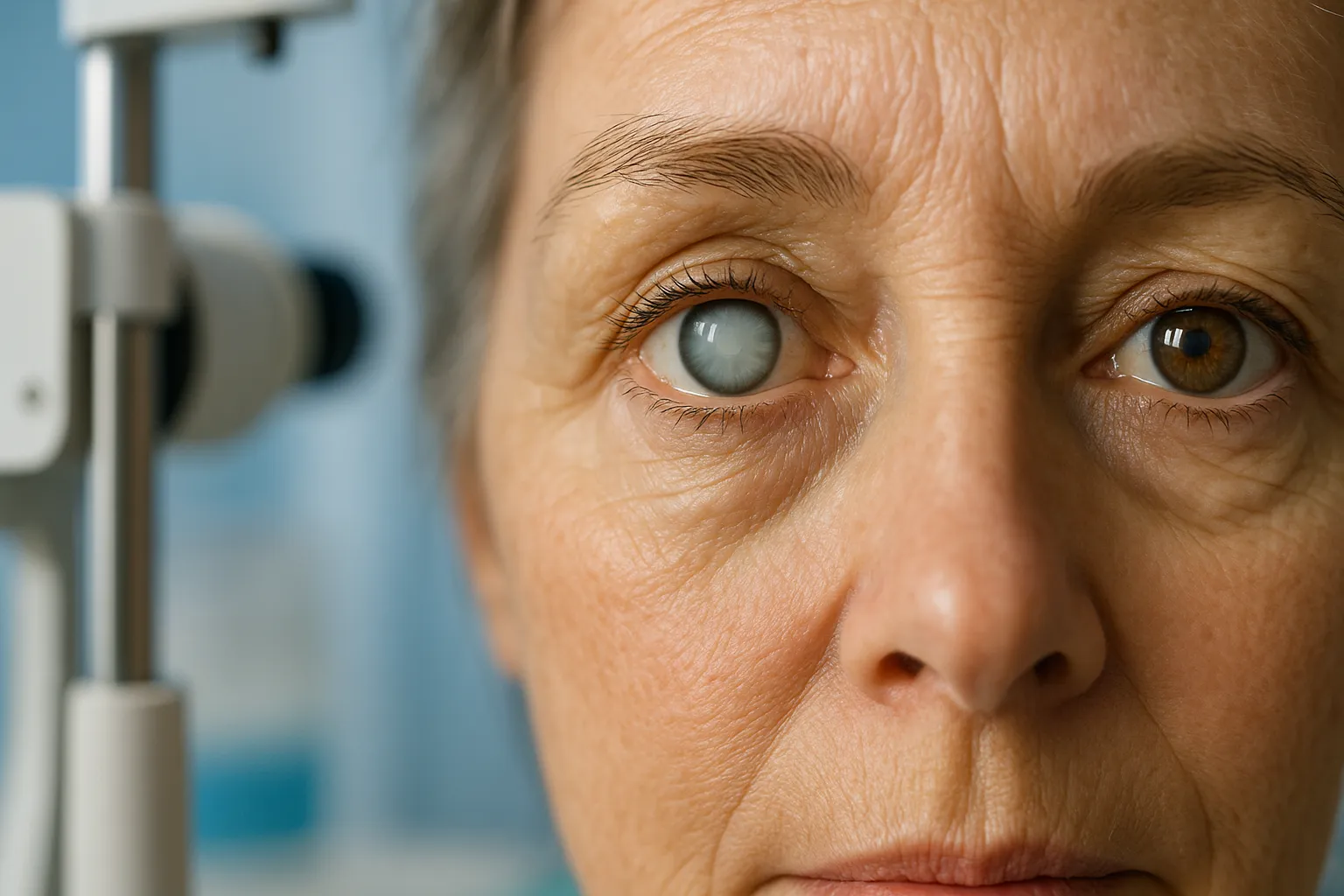
Recent statistics from the London Cataract Centre reveal that approximately 3.5 million individuals across the UK are currently living with cataracts, a significant health concern that disproportionately impacts women, primarily due to their longer life expectancy and hormonal fluctuations.
Melanie Chak, a consultant ophthalmologist at Newmedica Oxfordshire, spoke about the critical importance of timely intervention. “In Oxfordshire, we’re witnessing the significant difference that prompt treatment can bring individuals. Despite cataract surgery being a quick, safe, and effective procedure, there are still many who endure suboptimal vision longer than necessary,” Chak noted.
The commitment at Newmedica Oxfordshire is to provide a comprehensive approach to patient care, with each individual receiving thorough guidance throughout their treatment journey. “From the initial consultation through to recovery, we ensure that all our patients are well-informed, comfortable, and fully supported at every stage,” she added.
This month serves as a reminder for women to take proactive steps toward their eye health. “If you have noticed any changes in your vision, do not delay seeking an assessment; addressing these issues early can greatly enhance your quality of life,” Chak advised.
Cataracts, which are often found in individuals over the age of 65, cause the lens of the eye to become opaque, leading to symptoms such as blurred or dimmed vision. In Oxfordshire, around 29 per cent of the population falls into this age bracket, highlighting the urgency for proactive screening and intervention.
Newmedica Oxfordshire is specifically urging women aged 60 and above to seek early cataract treatments. Current medical guidance indicates that the only effective remedy for cataracts is surgical intervention, which involves the removal of the cloudy lens and its replacement with a clear, artificial one.
The surgical process is typically executed under local anaesthetic, with most procedures lasting between 10 to 20 minutes. Following the operation, patients are generally able to return home on the same day, with many experiencing transformative outcomes. Improved colour perception and a return to everyday activities are common benefits reported by those who undergo this procedure.
In addition to cataract surgery, Newmedica Oxfordshire provides both NHS-funded and private services. The clinic is staffed by a dedicated team of consultant ophthalmologists and a proficient clinical workforce, ensuring high standards of care.
The services offered include YAG laser treatments, glaucoma management, and oculoplastic surgery, addressing a broad spectrum of eye health concerns.
The clinical team, which includes notable consultant ophthalmologists like Melanie Chak, Mandeep Singh Bindra, Markus Groppe, Moustafa Issa, along with operations director Durgesh Patel, is committed to delivering quality care while advancing awareness about eye health in the local community.
Given the significant number of individuals in Oxfordshire affected by vision problems, the push for awareness during Women’s Eye Health and Safety Month cannot be overstated. With so many women at risk of developing cataracts and other eye conditions, the importance of education and early detection is essential.
As the month progresses, local health authorities and organisations are also working to promote the significance of regular eye examinations. Early detection remains a key factor in preventing severe visual impairment and ensuring that individuals can enjoy a better quality of life. This proactive stance on eye health is essential, particularly for those within vulnerable age demographics.
Authorities continue to emphasise the need for education around the impacts of neglected eye care, with many residents potentially unaware of the easy accessibility of effective treatments available through clinics like Newmedica.
For those seeking additional information, details regarding services at Newmedica Oxfordshire can be found on their official website, providing a resource for potential patients to understand their options and the steps involved in addressing their eye health concerns.
In conclusion, Women’s Eye Health and Safety Month serves as an essential reminder for women to consider their eye health seriously. With cataracts affecting a considerable number of UK residents, particularly women, it is vital to seek early intervention and treatment, significantly enhancing one’s quality of life. Addressing these concerns early could have profound benefits, ensuring that vision remains clear and life can continue without the impediment of untreated eye conditions.
Our Thoughts
To prevent avoidable sight loss from cataracts, a proactive public health campaign focusing on eye health awareness and early intervention is crucial. Enhanced communication about the importance of regular eye examinations, especially for older women, can encourage timely treatment. Key lessons include prioritizing access to screening services and timely surgical interventions, which could significantly improve outcomes, aligning with the Health and Safety at Work Act 1974, which mandates the provision of adequate information and training.
Moreover, the use of NHS resources should be maximized to ensure that individuals do not delay seeking help due to perceived barriers, such as costs or lengthy waiting times. Ensuring compliance with the Care Quality Commission regulations could further improve service standards and patient safety during treatment.
Preventing similar incidents involves strengthening community outreach programs, emphasizing the significance of eye health among the aging population, and establishing a culture of early consultation for any vision changes. Regular assessments and tailored follow-ups should be integrated into health care services to better serve at-risk demographics, particularly women over 60, fostering a more proactive approach to health and safety in eye care.