














Story Highlight
– Cheshire glass factory workers plan further strike action.
– Walkouts scheduled from April 16 to May 15.
– Union cites health and safety concerns over job cuts.
– Encirc denies risk and ensures no bottle shortages.
– Negotiations needed to address workers’ legitimate concerns.
Full Story
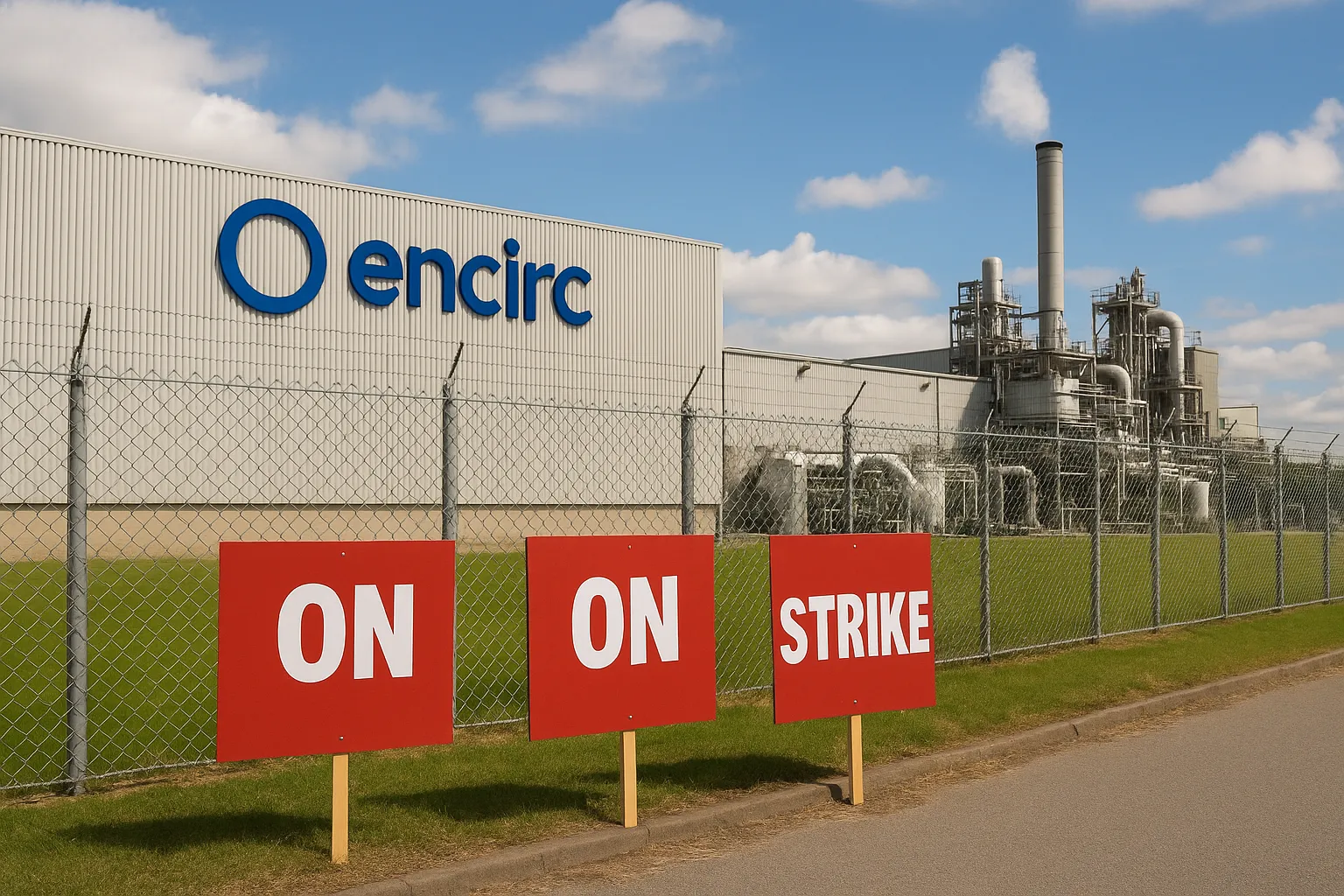
Workers at a glass factory in Cheshire are set to intensify their strike action in response to ongoing job cuts and concerns surrounding health and safety. Members of Unite the Union, based at Encirc’s Elton manufacturing facility, had previously announced walkouts scheduled from March 28 to April 7. In their latest move, the union declared that employees will also participate in night shift strikes from April 16 to April 28, and again from May 9 to May 15.
The recent announcement follows an earlier decision to reduce the workforce by nearly 30 roles at the facility, prompting serious concerns from workers about the potential impact on workplace safety. Union representatives have indicated that many employees have been reporting feelings of fatigue after their shifts, raising alarms about the risks associated with such tiredness contributing to workplace accidents.
Encirc, however, has expressed disappointment over the upcoming strike plans. An official spokesperson for the company asserted that worker safety is a top priority and rejected claims that the reductions would compromise safety standards. They stressed, “We would never do anything that puts anyone at risk,” emphasising that their operations are guided by thorough assessments and expert input to ensure a safe work environment.
Unite’s general secretary, Sharon Graham, commented on the escalation of the strike, stating, “Further strike action will no doubt be disruptive to Encirc’s operations – but it is entirely the fault of the employer. By implementing redundancies, Encirc put profits over people.” She urged the company to address the valid concerns raised by its employees and assured continuous support for the workers involved.
Andrew Johnson, a regional officer for Unite, highlighted the lack of meaningful dialogue from Encirc management regarding the escalating health and safety issues. “Encirc management has failed to come back to talks around how to solve the problems with health, safety and wellbeing, so members there have felt they have had no choice but to escalate strike action,” he remarked. Johnson also mentioned the significant ramifications that would arise from multiple strike dates, signalling that the company could still avert the situation if it returns to negotiations.
In addressing the union’s concerns, Encirc reiterated its commitment to safety and well-being. The spokesperson for Encirc reaffirmed, “We take the health, safety and wellbeing of our staff very seriously, and all our operations are fully risk assessed before they are implemented.” The company has also put measures in place to bolster protections for their employees.
The glass manufacturing sector in the UK has encountered significant challenges in recent months, attributed to factors such as rising energy expenses, shifts in government policies including the new packaging tax, and broader cost-of-living constraints affecting consumer demand. The industry has seen a noticeable downturn, further exacerbating job security concerns among the workforce.
In light of the ongoing tensions, Encirc expressed assurance that arrangements are being made to mitigate any operational disruptions stemming from the strikes. The spokesperson insisted, “We have full contingency plans in place and there absolutely will not be any bottle shortages in the UK.” The company also conveyed that it remains open to further discussions with union representatives.
As the situation continues to develop, the community and industry observers will be monitoring the impact of these strike actions at one of the UK’s prominent glass production sites. The outcomes of any renewed negotiations between Encirc and Unite could have significant implications for both the workers involved and the broader industry landscape.
The unrest at Encirc’s Elton facility highlights wider tensions in various sectors facing similar challenges related to workforce reductions and the accompanying impacts on employee morale and safety. The actions taken by Unite and the responses from Encirc could set important precedents for how such disputes are managed and resolved in the future.
As both sides prepare for the impending industrial action, the crucial question remains whether Encirc management will engage in constructive discussions to address the escalating concerns raised by its employees. Without such engagement, the prospect of continued disruptions looms large, keeping the spotlight firmly on the issues of safety and job security in the manufacturing sector.
Our Thoughts
To address the concerns raised in the article regarding the health and safety of workers at Encirc’s Elton site, several actions could have been taken to prevent the escalation of the situation. Firstly, management should have prioritized conducting thorough risk assessments in line with the Health and Safety at Work Act 1974 to evaluate the impact of redundancies on workloads and employee well-being. Ensuring adequate staffing levels is essential to prevent employee fatigue and potential accidents.
Encirc’s decision to proceed with significant job cuts without adequate consultation with the workforce violates the duty of care required under the Management of Health and Safety at Work Regulations 1999. This regulation mandates that employers must assess risks and implement measures to mitigate them, which includes listening to employee concerns regarding their health and safety.
Lessons learned from this incident emphasize the importance of effective communication and engagement with trade unions. By establishing a genuine dialogue and seeking collaborative solutions to workforce concerns, similar future incidents could be mitigated, fostering a safer work environment and maintaining employee morale. Prioritizing mental health and well-being as part of health and safety initiatives is crucial in preventing such disputes.