







Story Highlight
– ASDA recalled a toy containing cancer-causing asbestos.
– Product sold exclusively at ASDA from August 2021.
– Health risk due to potential asbestos contamination identified.
– Customers urged to stop using and return product.
– Asbestos banned in the UK since 1999.
Full Story
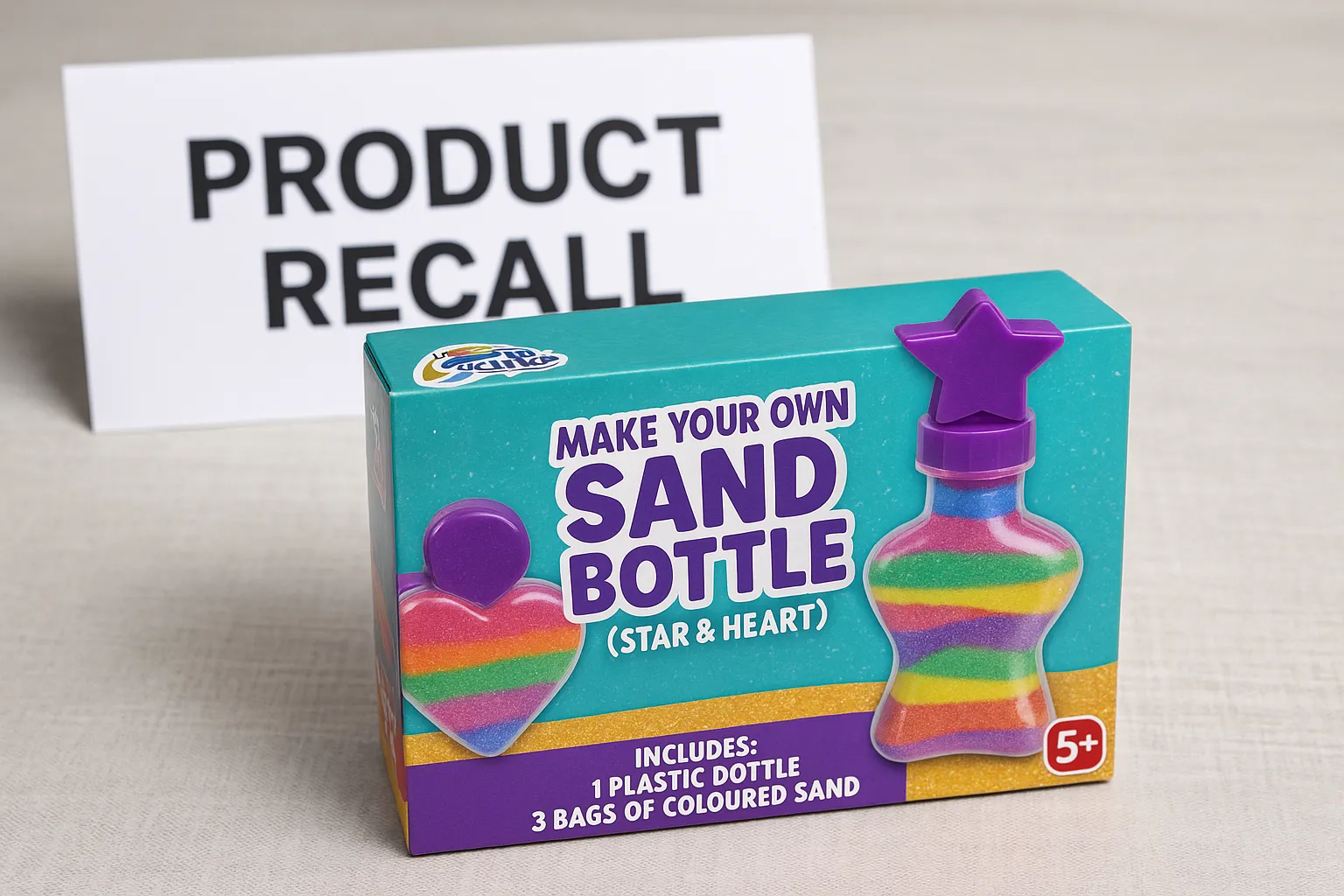
A serious health warning has been issued following the recall of a children’s toy sold exclusively at ASDA due to contamination concerns involving asbestos. The product at the heart of this safety alert is the Grafix Make Your Own Sand Bottle, which was found to potentially harm users due to the presence of this hazardous material.
The Office for Product Safety & Standards (OPSS) announced the recall recently, highlighting the risks associated with the contaminated sand included in the toy kit. The item has been available in ASDA stores since August 2021 and will remain on sale until May 2026, giving a window of potential exposure that has raised alarm among consumers and health officials alike.
Described on the ASDA website as a craft kit allowing children to create their own sand shapes, the Grafix product comes complete with colourful packaging, sand, and a star or heart-shaped bottle. However, the concern stems not just from the sand’s intended use but from the contamination risks that may accompany it.
The OPSS’s report states that “asbestos may be present in a small quantity within the sand,” emphasizing that asbestos is prohibited in the manufacture and sale of toys in the UK. According to the Toys (Safety) Regulations 2011, any product containing asbestos does not comply with safety standards designed to protect children and consumers.
ASDA customers who have purchased this toy are urged to cease its use immediately. Affected individuals should return the item to any ASDA store for a full refund, a process that does not require a receipt for verification. Furthermore, the retailer has provided detailed disposal instructions to ensure that any residual risk is mitigated effectively.
In an effort to safeguard public health, those with the unopened sand should follow specific guidelines. Consumers are advised to place the unopen sand in a heavy-duty plastic bag, securely seal it, and ensure it is marked clearly before storing it out of reach of children. In cases where the sand has already been used, the OPSS recommends cleaning the affected site with damp cloths to minimise dust creation, all while wearing gloves and a mask to protect against contamination.
Authorities have reiterated the importance of avoiding exposure to the dangers posed by asbestos. Even minimal contact can result in serious health issues, including cancer, particularly with long-term exposure. The substance, banned in the UK since 1999, has a notorious reputation for its toxic effects, which can arise from inhalation, ingestion, or even skin contact.
This recall is not an isolated incident; it represents just one of several recent warnings issued regarding products that may contain asbestos. In the past few weeks alone, nearly 130 different sand toy products have been recalled due to similar contamination fears. In an alarming trend, last week saw two schools forced to close their doors amid concerns that play sand used in the facilities may harbor asbestos, prompting widespread calls for further scrutiny of children’s toys and materials in schools.
In light of these recent developments, consumer safety advocates are highlighting the need for rigorous testing of children’s products to prevent further occurrences. Experts stress the importance of regular inspections and strict adherence to safety regulations within the toy manufacturing industry to mitigate these risks.
As many parents and guardians keenly monitor the safety of toys available for their children, this incident has heightened concerns over product recalls and potential dangers hidden within commonplace items. Retailers and manufacturers are being urged to take a more proactive approach in ensuring that their products are free from hazardous substances, particularly those intended for children.
The situation has sparked discussions among health officials and policymakers surrounding the lasting implications of asbestos exposure and the stringent measures that need to be enforced to safeguard public health, particularly that of vulnerable populations such as children. Educational campaigns are expected to follow, aiming to raise awareness about the dangers of asbestos and inform the public on how to respond in the event of product recalls.
For those seeking further information or clarification regarding the recall or product safety in general, ASDA has directed customers to visit their website or contact the store where the product was purchased. As the recall unfolds, additional guidance and details are anticipated to assist consumers through this troubling health alert.
Our Thoughts
The recall of the Grafix Make Your Own Sand Bottle due to asbestos contamination highlights significant lapses in safety compliance and regulation. To avoid such incidents, stringent quality control measures should be implemented by manufacturers to ensure that no banned substances like asbestos are present in toys, aligning with the Toys (Safety) Regulations 2011, which clearly prohibit the use of hazardous materials in children’s products.
Furthermore, retailers like ASDA must enhance their due diligence processes when sourcing products. This includes verifying that suppliers comply with UK regulations regarding hazardous substances and conducting regular checks on product safety to prevent the sale of contaminated merchandise.
Key safety lessons include the importance of proactive monitoring of product safety and the need for robust regulatory enforcement to prevent hazardous items from reaching consumers. In light of repeated asbestos findings in toys, a coordinated effort between manufacturers, retailers, and regulatory bodies is essential to prevent future incidents and protect children’s health.