















Story Highlight
– House removes pesticide liability provisions from farm bill.
– Amendment passed with bipartisan support: 280–142.
– Opponents argue it weakens accountability for glyphosate claims.
– Bayer warns of inconsistent state regulations and legal uncertainty.
– Farm bill moves to Senate for further scrutiny.
Full Story
The recent vote in the US House of Representatives has led to significant changes in the language of a major agricultural bill, particularly concerning pesticide liability. The House, in a decisive vote of 280-142, has opted to eliminate certain provisions related to pesticide manufacturers, a move that has ignited a heated debate about regulatory oversight and public health.
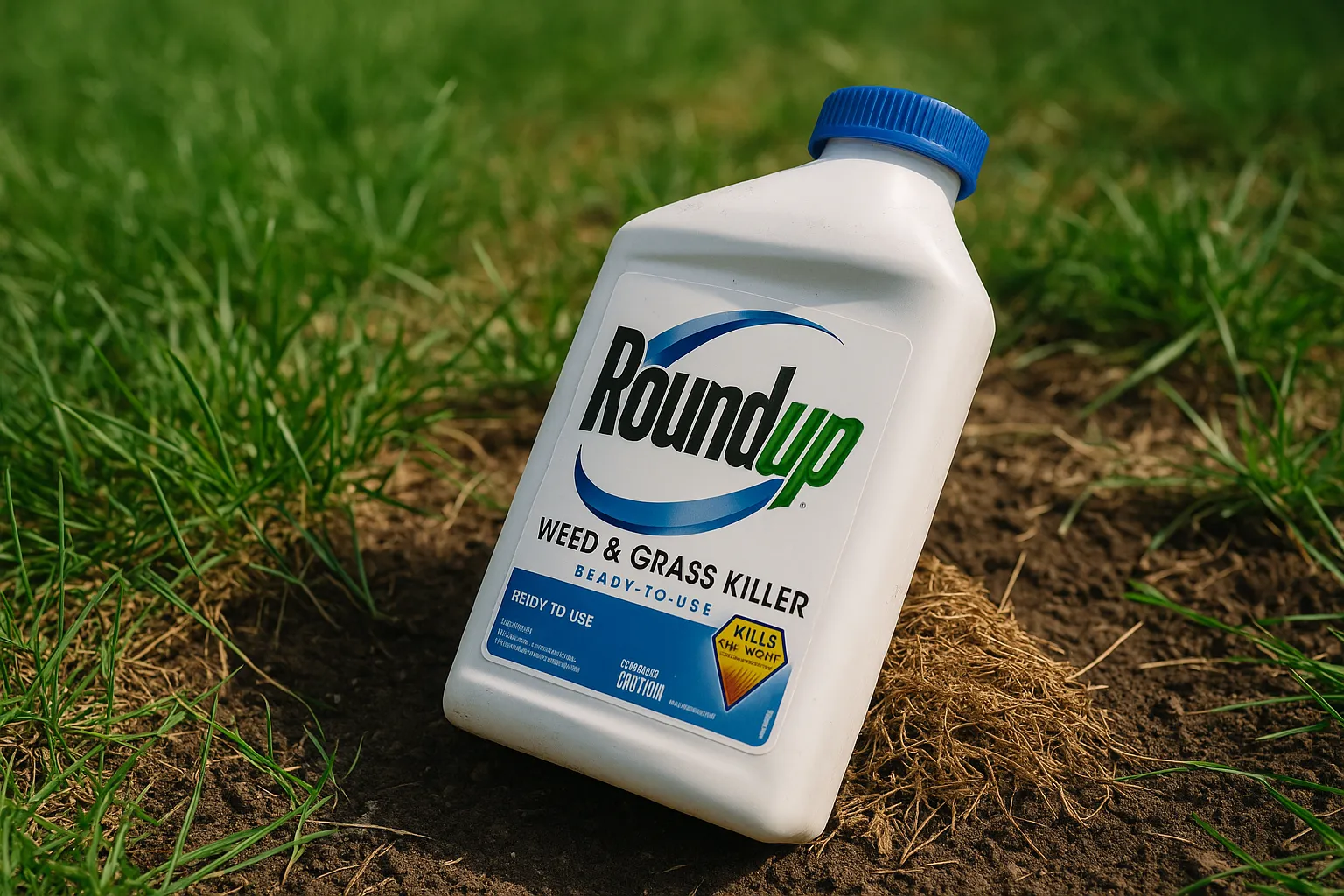
This legislative amendment, championed by Representative Anna Paulina Luna (R-Fla.), received considerable bipartisan support despite concerns voiced by a range of lawmakers and health advocacy groups. Opponents cautioned that the removal of these provisions would diminish accountability for companies supplying pesticides, notably glyphosate-based products like Roundup, which is produced by Bayer. Critics voiced fears that consumers would find it harder to pursue litigation against pesticide manufacturers for potential health claims linked to glyphosate exposure.
The provisions that were discarded aimed to tighten federal control over pesticide regulation by preventing states from enforcing labelling or packaging standards that exceed those endorsed by the Environmental Protection Agency (EPA). This would effectively hamper state efforts to impose additional regulatory measures aimed at consumer protection. Lawmakers who advocated for their removal argued that this was essential to maintain the integrity of federal legislation and offer consumers equitable access to legal avenues, effectively retaining the balance of control between state and federal mandates.
Representative Chellie Pingree (D-Maine) remarked that the original provisions were overly beneficial to large agribusiness and chemical companies, stating they could significantly undermine the ability of individual states to manage pesticide use responsibly. Pingree emphasised that limiting state regulatory authority would not only protect corporate interests but also diminish necessary avenues for public accountability.
Glyphosate, the active ingredient in Roundup, is widely used across the United States and has become a cornerstone of modern agricultural practices. Its application surged significantly in the 1990s following the development of genetically modified crops capable of withstanding its effects. However, the contentious nature of glyphosate has sparked ongoing debates regarding its safety for human health.
Despite the EPA’s position asserting that glyphosate is “not likely to be carcinogenic to humans” when used according to official guidelines, the matter remains contentious. In 2015, the International Agency for Research on Cancer (IARC), part of the World Health Organization, declared glyphosate “probably carcinogenic to humans.” This classification has catalysed numerous legal challenges from individuals claiming their health has suffered due to exposure to Roundup, particularly in cases of non-Hodgkin lymphoma. Bayer, which inherited these legal issues after acquiring Monsanto, has faced substantial settlements and continues to contest the safety perceptions surrounding glyphosate.
Reflecting on the House’s recent decision, Bayer has expressed concern over the potential ramifications of the amendment. In a public statement, the company voiced that further clarity at the federal level is essential to prevent a patchwork of regulations that could complicate farming operations across different states. Bayer reiterated its belief in the safety of glyphosate, emphasising that it is a key agricultural tool supported by numerous global regulatory agencies.
The turf war over pesticide regulation highlights a broader political and ideological divide within US governance. Supporters of organisations like Make America Healthy Again (MAHA) are increasingly framing pesticide regulation as a critical public health issue. They argue for stringent oversight of chemical products in the food supply chain, spotlighting the long-term health risks associated with persistent exposure to these substances.
In contrast, agricultural lobbyists and some legislators caution that enforcing stricter regulations or increasing liability could significantly hike costs for farmers—a move some claim could disrupt food production and exacerbate supply chain challenges. This conflict reflects ongoing tensions between public health priorities and agricultural industry interests, as stakeholders grapple with the implications of chemical safety and environmental stewardship.
With the farm bill now poised to proceed to the Senate, a renewed focus on pesticide regulation and liability protections is anticipated. Lawmakers are expected to scrutinise the issue further, attempting to balance the advocacy for public health with the realities of agricultural production. As this debate unfolds, it remains clear that the discussion around pesticide safety, regulatory power, and consumer rights is far from resolution, signaling an ongoing dialogue that will undoubtedly influence future legislation and agricultural practices in the United States.
Our Thoughts
The article highlights concerns over the removal of pesticide liability provisions in the US, which may reduce accountability for manufacturers like Bayer regarding health risks associated with glyphosate. To prevent similar issues, UK health and safety practices could emphasize stricter adherence to the Control of Pesticides Regulations 1986, which requires pesticide decisions to reflect health and environmental safety.
Key safety lessons include the importance of maintaining robust regulatory frameworks that do not allow undue influence from industry, thereby ensuring that public health is prioritized. In the UK, adherence to the Health and Safety at Work Act 1974 is crucial, as it mandates that employers ensure the health and safety of employees and the public.
Regulations may be breached when companies fail to adequately disclose risks associated with their products, undermining legal accountability. To avoid similar incidents, it is essential for UK authorities to enforce transparent labeling requirements and engage in ongoing risk assessments for chemicals in agriculture, ensuring that consumers and workers are adequately protected. Enhanced collaboration between government agencies and industry stakeholders could also facilitate consistent safety standards and practices.