









Story Highlight
– Children are drawn to viral squishy dumpling toys.
– Counterfeit toys pose serious health risks to kids.
– Fake toys contain toxic chemicals and off-gassing issues.
– UK Trading Standards warn against these unsafe products.
– Parents advised to buy from reputable retailers only.
Full Story
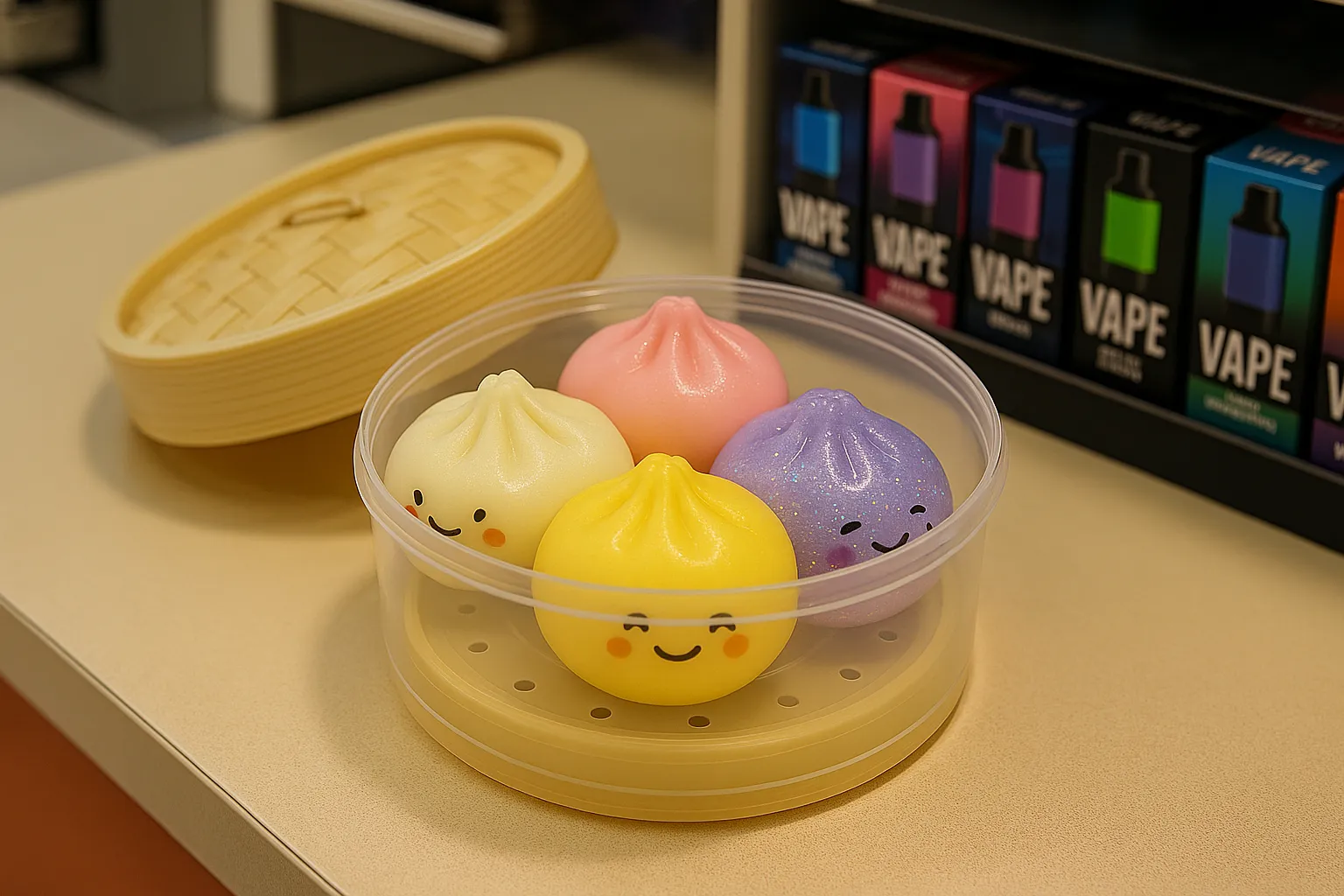
In a bustling local supermarket, a seemingly ordinary trip for milk turned into a surprise encounter with the latest toy craze as 10-year-old Lola and her eight-year-old sister Liberty began chanting, “Squishy dumpling! Squishy dumpling!” What initially appeared to be a harmless purchase introduced parents to a burgeoning trend that has captivated children and parents alike: the squishy dumpling toy. Available in an array of bright colours, these soft, gel-filled toys resemble steamed buns and are marketed with all the appeal of modern, viral products, bolstered by unboxing videos on platforms like TikTok.
Priced at £6.99 each, these squishy dumplings are packaged in plastic bamboo steamers that heighten their charm. However, beneath their innocent exterior lies a troubling reality. Recent research and warnings from health and safety authorities indicate that many of these toys are counterfeit, posing significant risks due to the presence of hazardous chemicals. Parents, often unaware of the potential dangers when buying these toys, are facing serious consequences from such seemingly innocent purchases.
Not long ago, the same phenomenon occurred with a different toy: the Labubu, a plush collectible that the children instantly adored. Those concerned about their children’s safety soon learned of hazardous fakes known as ‘lafufus,’ which had invaded corner shops, often featuring substandard designs that could easily detach, turning into choking hazards. The rapid spread of these counterfeit toys prompted government safety warnings, entire product recalls, and growing public awareness of the dangers posed by imitations.
In the current climate, the resurgence of counterfeit squishy dumplings has once again raised alarm bells for authorities. Trading Standards teams across the UK, including those in Swansea, have reported extensive seizures of these poorly manufactured toys, which not only lack minimal safety certifications but also emit alarming chemical odours reminiscent of petrol. Swansea’s Trading Standards officials have advised that strong chemical smells and missing safety information in toys should alert both parents and retailers to potential hazards.
Testing conducted by Swansea Council revealed the presence of dangerous substances in these counterfeit toys, including ethyl benzene and styrene – chemicals classified as hazardous and suspected of causing serious health issues. Similar warnings have been echoed by Trafford Council, which emphasised that the toys have been found containing dangerously high levels of benzene, a toxic chemical that poses significant health risks.
Chloe Topping, a campaigner with CHEM Trust, expressed deep concern over the materials found in these children’s toys. “It is deeply concerning that these harmful chemicals have been found in children’s toys sold in the UK,” she affirmed. Health campaigners are calling for prompt government action, citing that the UK’s toy safety regulations, which have not been updated in over 15 years, still permit the use of chemicals linked to adverse health effects, particularly in children.
Despite the challenges posed by these counterfeit products, authorities have observed a robust consumer demand for authentic squishy dumplings, leading to a competitive and sometimes dangerous market environment. In one striking instance, 10 tons of these counterfeit toys were seized at Heathrow Airport in a single day, showcasing the urgency among importers to meet a thriving demand.
This frantic race for squishy dumplings has led to additional perils, as various social media platforms have seen alarming trends emerge, such as the practice of microwaving these toys. Reports indicate that this misguided trend has resulted in toys exploding, inflicting injuries on children due to the release of hot gel. Parents worldwide have been taking to social media to inform one another about the hazards associated with these toys, particularly warnings regarding their contents.
The authentic squishy dumpling, manufactured by RMS International under the Crazy Fun label, has quickly become a coveted item, leading to websites selling out rapidly. Parents keen on ensuring their children obtain the genuine article are now hunting for rare editions, illustrating the toy’s allure. Meanwhile, counterfeit versions often display warped facial features and show signs of wear more quickly, prompting concerns over quality and safety.
Professor Paul Fowler from the University of Aberdeen has stated that the volatile organic compounds (VOCs) found in these counterfeits are hazardous and capable of entering the bloodstream, heightening the risk of long-term health issues. He pointed out that the chemical scent emanating from these toys signifies inferior materials, often made from petroleum-based plastics that are prone to “off-gassing.” This phenomenon involves the release of toxic substances into the environment, raising concerns for children exposed to such toys.
Katrina Phillips, chief executive of the Child Accident Prevention Trust, reflects on the unpredictability of purchasing toys online from unknown sources. “When you buy cheap copies of toys from unknown sellers on online marketplaces, you really have no idea what you’re going to get,” she warned. Phillips advocates for sourcing products from reputable retailers to minimise risks, advising extreme caution for both younger children and those with developmental differences who may be prone to oral exploratory behaviours.
In light of these mounting concerns and health risks associated with counterfeit squishy dumplings and similar toys, parents are advised to regularly inspect such items for damage. Furthermore, it is prudent to ventilate spaces where these toys are played with, especially those producing strong odours. With parents now tasked not only with ensuring their children’s enjoyment but also their safety, there is a growing consensus that stringent action is necessary to combat the influx of unsafe toys on the market.
As this wave of counterfeit squishy dumplings continues to unfold, there is an urgent call for regulatory bodies to enhance safety standards and improve enforcement measures to protect young consumers. The continuing presence of hazardous, poorly made toys underscores the critical need for vigilance among parents as they navigate this fast-evolving market.
Our Thoughts
To avoid the hazards associated with counterfeit squishy dumpling toys, several preventative measures could be implemented. Retailers should ensure all toys meet the relevant safety standards under the UK Toy Safety Regulations 2011, which require toys to be free from harmful substances and properly tested. The lack of essential safety information on the packaging of these counterfeit products is a significant breach of the regulations.
Raising consumer awareness about identifying authentic toys and encouraging purchases from reputable retailers can mitigate risks. Parents should be informed to look for safety certifications, such as CE markings, and to check for the presence of a QR code for validation, as legitimate products may have these features.
Moreover, the government should enhance enforcement actions against the sale of counterfeit goods, as evidenced by the recent surge in harmful toy imports. Addressing trauma from social media trends, which can lead to unsafe behavior—like microwaving toys—should also be prioritized. Educating parents and children about the dangers of fake toys and Regular inspections of retail establishments can further ensure compliance with safety regulations, thus reducing the likelihood of similar incidents in the future.