















Story Highlight
– Millions face workplace heat difficulties this week.
– No statutory maximum working temperature in Britain.
– Employers must maintain “reasonable” workplace temperatures.
– Employees can seek safety measures under health laws.
– Health authorities urge hydration and caution during heat.
Full Story
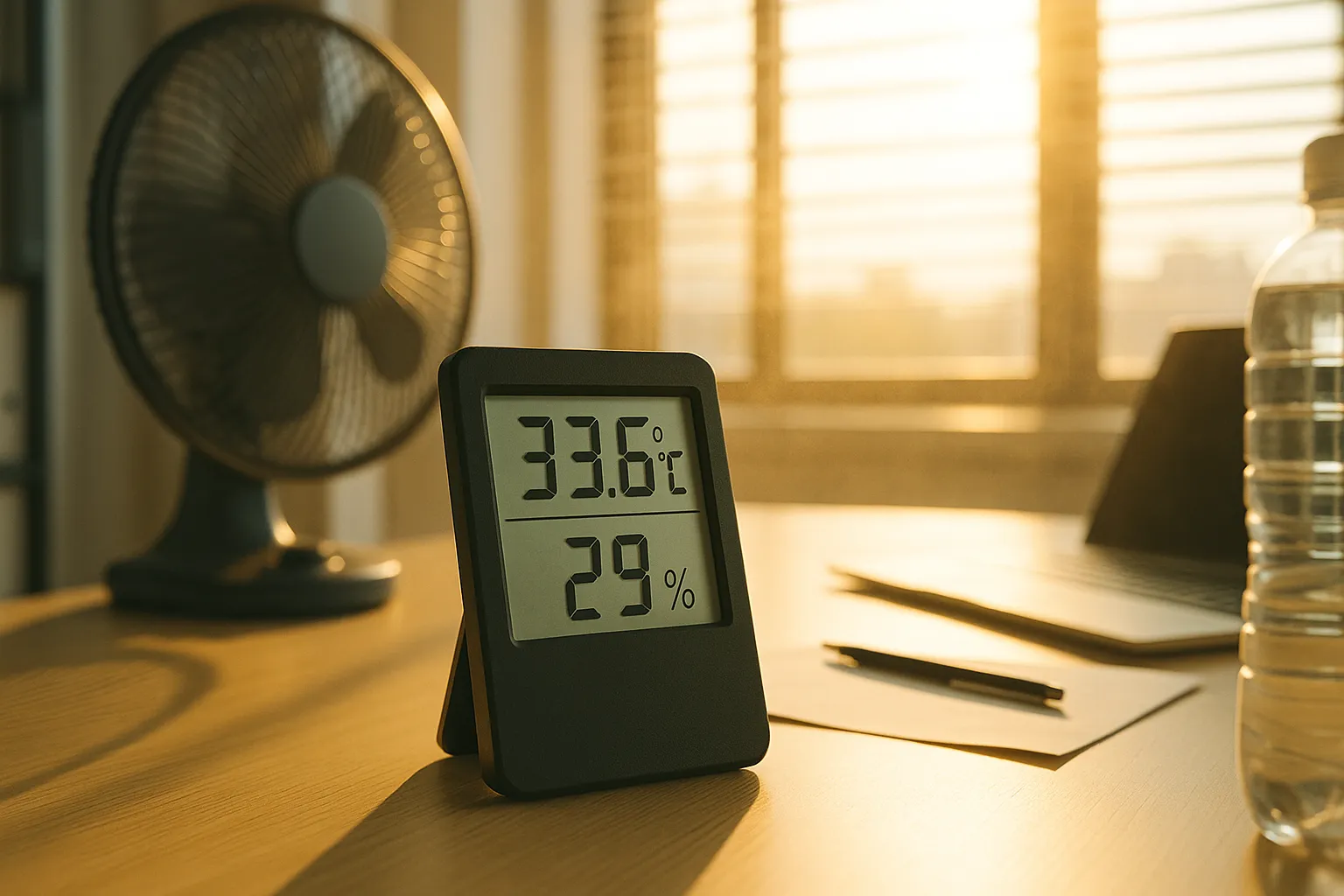
Workers across the UK are poised to face a challenging week as soaring temperatures are expected to affect many office environments. As the mercury rises, a pressing question looms: do employees have the legal right to abandon their posts under such conditions? The situation might not be as clear-cut as many assume.
In the face of recurrent heatwaves and escalating anxieties about workplace safety, it is important to note that there is currently no legally mandated maximum temperature for working environments in Britain. According to UK health and safety regulations, employers are obligated to maintain what can be described as a “reasonable” temperature during office hours, but this is devoid of a specific threshold that would permit workers to walk off the job.
The Health and Safety Executive (HSE) outlined that there exists “no meaningful upper limit” regarding acceptable workplace temperatures. This is particularly relevant for industries like bakeries or foundries, which often operate in environments that are significantly hotter than the average office space. Nonetheless, this does not provide employers with a carte blanche to disregard the potential repercussions of extreme heat on employees.
Under existing health and safety legislation, employers possess a legal responsibility to safeguard their employees and ensure a safe working atmosphere. This includes adhering to what the HSE refers to as “thermal comfort.” Employers may be required to implement various measures such as enhancing ventilation, supplying adequate drinking water, reorganising shifts, relaxing dress codes, or conducting risk assessments in response to extreme heat conditions.
For workers who find themselves feeling unsafe due to excessive heat, the first step should be raising their concerns directly with their employer. The government has also put forth guidance that states employers must evaluate potential hazards in the workplace and take suitable action to mitigate these risks whenever necessary.
Furthermore, specific circumstances allow employees additional legal protections. The Employment Rights Act 1996 stipulates that employees may be protected if they leave or refuse to return to a workplace that they sincerely believe poses a “serious and imminent danger” that cannot be averted. This adds a layer of security for individuals concerned about their immediate safety when the heat becomes oppressive.
As a significant heatwave approaches, a red weather alert has been issued across vast areas of the UK, with forecasters predicting temperatures could surge into the 30s Celsius. Health authorities are advising the public to stay adequately hydrated, refrain from strenuous activity during peak heat hours, and adopt measures to guard against heat-related illnesses.
While there is no official temperature at which work is required to cease, experts stress that employers are obligated to take action as rising temperatures threaten the health and wellbeing of their workforce. If heat begins to impact employees’ safety or their capacity to perform their roles effectively, it is incumbent upon companies to execute reasonable measures to ensure their staff remains protected.
These events shine a spotlight on the broader implications of workplace conditions during extreme weather events. The absence of a specific temperature limit raises concerns about the adequacy of current regulations in addressing the realities of modern working environments. As climate change leads to more frequent and intense heatwaves, the pressure mounts for a re-evaluation of health and safety standards that keep up with evolving climate patterns.
Experts argue that it may be time for legislative bodies to consider establishing a legal upper temperature limit, reflective of the increased risks that high temperatures pose to general health. This dialogue could ignite further investment in creating more adaptable workplaces that can sustain operations under varying climatic conditions.
Overall, for employees navigating intense heat while performing their jobs, it is crucial to remain informed about their rights and the responsibilities of their employers. While awareness about heat impacts is gaining ground, action must accompany understanding to protect the workforce adequately.
In light of these concerns, employees are encouraged to remain vigilant about their working conditions, initiate conversations with their employers about any discomfort or safety concerns, and stay abreast of weather advisories. The role of employers in actively creating a comfortable and safe work environment cannot be overemphasized, particularly as the frequency of extreme temperatures rises and poses new challenges for workplace safety across the country.
In conclusion, while existing laws provide frameworks for addressing concerns related to unbearable heat at work, further discussions are necessary to ensure that both employee welfare and employer responsibilities are adequately met in an evolving climate landscape.
Our Thoughts
To mitigate the impact of rising temperatures on employees, employers should proactively implement measures to ensure thermal comfort, as mandated by health and safety legislation. Key actions could include improving ventilation, providing access to drinking water, adjusting work schedules, and conducting regular risk assessments during heatwaves.
The lack of a statutory maximum working temperature highlights a gap in current regulations, which can lead to confusion among workers regarding their rights in extreme heat situations. While the Health and Safety Executive emphasizes the employer’s duty to maintain a safe working environment, clearer guidelines or thresholds could enhance compliance and worker protection.
The Employment Rights Act 1996 offers employees some recourse if they face “serious and imminent danger,” yet many may be unaware of this protection. Increasing awareness about this provision, along with the importance of addressing heat safety concerns with their employers, could empower workers to act when their health is at risk.
To prevent similar incidents in the future, establishing clearer regulations regarding maximum working temperatures and mandatory safety measures could significantly improve workplace safety during extreme weather.