










Story Highlight
– Urgent recall for Simple Micellar Cleansing Water announced.
– Contamination risks could cause eye inflammation.
– Affected products include specific batches and barcodes.
– Unilever advises consumers to stop using the product.
– Refund process available through retailers for affected users.
Full Story
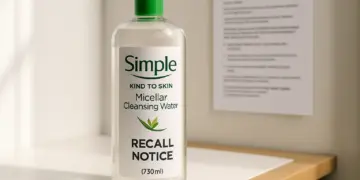
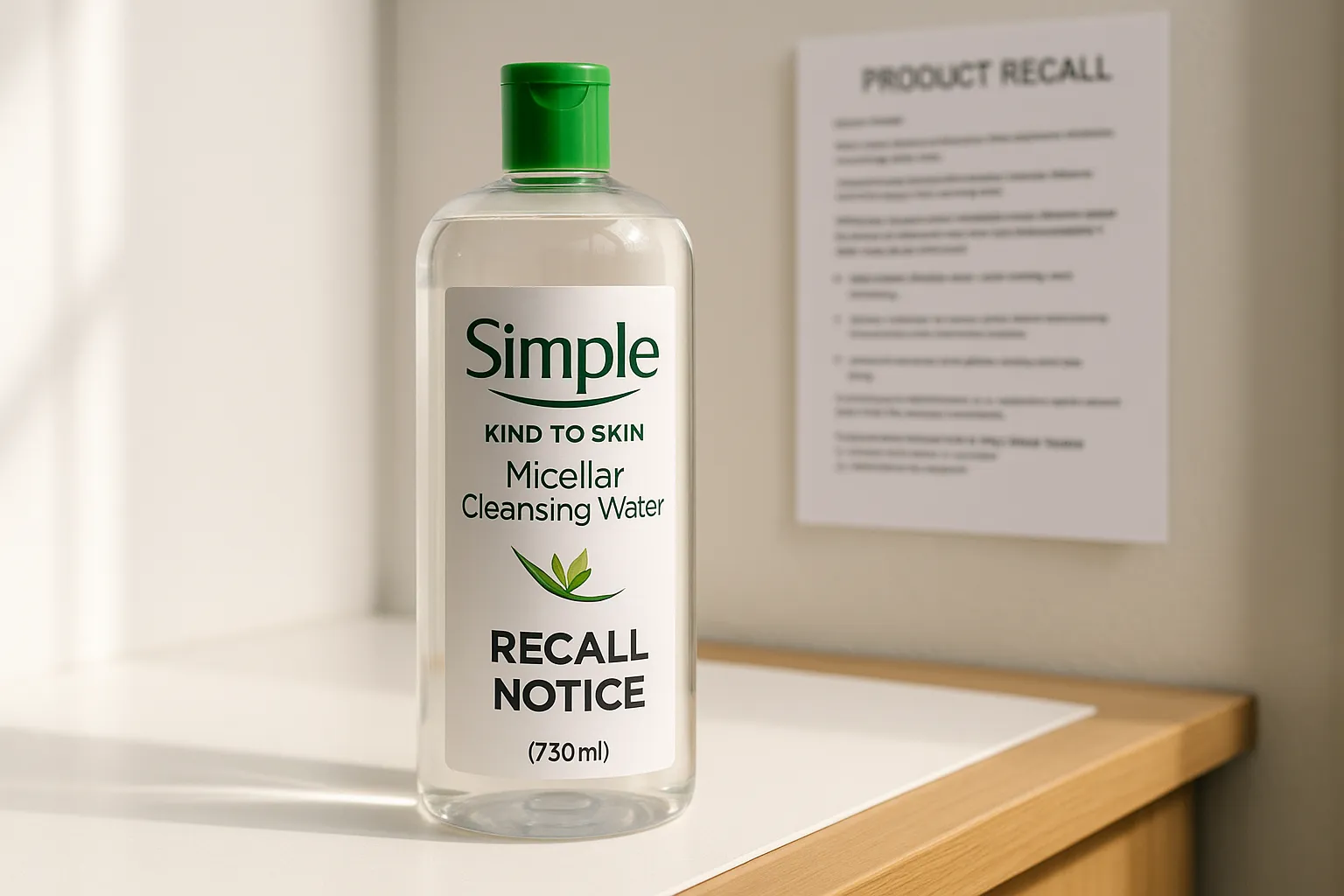
An immediate recall has been initiated for a popular cleansing product sold by various retailers including B&M, Home Bargains, and Savers. The Office for Product Safety and Standards (OPSS) has informed the public that the Simple 730ml Kind to Skin Micellar Cleansing Water is being withdrawn from circulation due to a risk of eye inflammation linked to potential contamination.
The notification from the government agency specifies that certain batches of the product could be microbiologically contaminated, prompting the manufacturer, Unilever, to take action. In their communication, officials stated that “affected batches may be microbiologically contaminated, which may cause eye inflammation.” As a precaution, Unilever has mandated that all retailers cease the sale of the affected product immediately and undertake a withdrawal process.
For consumers who currently possess this product, it is advised that they stop using it right away. Those who have purchased the cleansing water are encouraged to refer to the Simple Kind to Skin Recall Notice or contact the establishment where they bought the item for detailed instructions on how to return the product and receive a refund or compensation.
The product in question specifically includes 730ml bottles of micellar cleansing water that fall under the categories of cosmetics for personal care and grooming. The affected batches are identified as 613841 and 613941, and the relevant barcode is 8720181894381. When a recall is issued by the OPSS, it serves as an official alert about the safety of consumer products that are determined to be unsafe, defective, or non-compliant with regulatory standards. Such actions entail guiding consumers on how to cease using the recalled product while providing protocols for returns, repairs, or replacements.
Micellar water is well known for its gentle cleansing properties, combining purified water with moisturising agents and micelles—tiny aggregates of cleansing molecules that are central to its function. These micelles effectively attract and lift away dirt, oil, and makeup from the skin without harshness, distinguishing micellar water from more traditional cleansing methods. According to dermatology expert Dr. Tahir, “Because it’s so gentle, micellar water cleans without stripping away much of your skin’s natural oils. That makes it a good option for nearly all skin types, including dry and sensitive skin.”
The recall raises significant concerns for consumers, particularly those who rely on this product for their daily skincare routine. With the increasing popularity of micellar water among users, particularly for its mildness, any issues related to contamination are understandably alarming.
In light of this recall, it becomes crucial for consumers to stay informed about the products they use and any potential risks associated with them. The OPSS’s action aims to ensure the safety and well-being of the public, as contaminated skincare products can pose serious health risks. Particularly, eye inflammation resulting from such contamination is not to be taken lightly, as it can lead to further complications if left unaddressed.
Local retailers have begun taking steps to remove the affected stock from their shelves, demonstrating the industry’s commitment to consumer safety. Shoppers who have purchased the affected cleansing water will find it essential to check their products against the recall information. Retailers are being urged to facilitate a smooth process for customers wishing to return the product.
It is important to note that consumers should remain vigilant regarding safety alerts like this, which speak to wider issues of product regulation and oversight in the personal care industry. Products that endanger consumer health not only lead to immediate risks but can also undermine trust in brands and retailers. Therefore, proactive communication from both manufacturers and regulatory bodies is vital during these situations.
As the cosmetics industry continues to evolve, the emphasis on safety, quality control, and transparent consumer communication is more essential than ever. Incidents like this one reflect a growing awareness and responsiveness to potential hazards. This proactive stance is intended to safeguard consumer health and foster a culture of trust between consumers and brands.
In summary, the Simple 730ml Kind to Skin Micellar Cleansing Water recall highlights the critical necessity for ongoing vigilance regarding product safety standards. With the recall affecting numerous customers, responsive measures from both retailers and manufacturers will help to mitigate risks and provide reassurance to consumers. Those in possession of the affected product are strongly encouraged to follow the recommended procedures to ensure their safety.
Our Thoughts
To prevent the contamination issues leading to the recall of the Simple Kind to Skin Micellar Cleansing Water, several measures could have been implemented. The manufacturer, Unilever, should have adhered to stringent quality control processes as mandated by the Consumer Protection Act 1987 and the Cosmetics Regulation (EC) No. 1223/2009, ensuring that products are safe for consumer use prior to market release.
Conducting comprehensive microbiological testing and risk assessment before distribution would likely have identified potential contamination issues earlier in the production chain. Additionally, more robust supply chain management could help mitigate risks associated with ingredients and manufacturing environments.
Key safety lessons from this incident include the importance of proactive safety assessments, the implementation of rigorous testing protocols, and the need for prompt communication systems for product recalls to ensure consumer safety.
By enhancing compliance with UK safety regulations and improving product oversight, similar incidents could be effectively reduced in the future.