
















Story Highlight
– Drivers in the UK face £2,500 fines for night sunglasses.
– Sunglasses can impair night driving visibility and safety.
– Eye tests recommended every two years for drivers.
– Neglecting vision can lead to serious legal penalties.
– Maintain prescription eyewear to avoid driving offenses.
Full Story
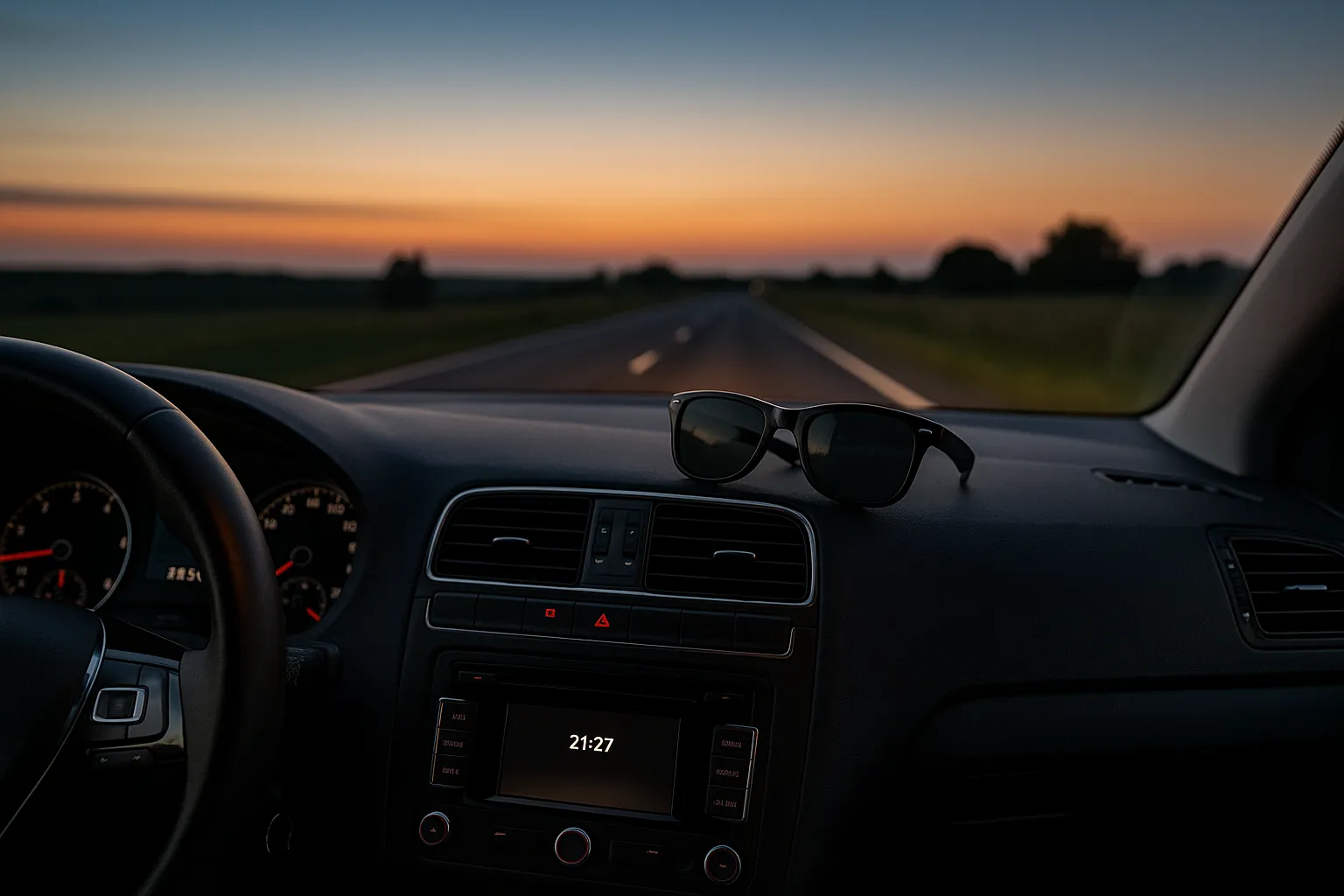
Motorists in the United Kingdom are being cautioned about the significant risks associated with wearing sunglasses while driving at night. With penalties potentially reaching £2,500 and three points on their driving licence, the warning serves as a crucial reminder about road safety and eye health. The alert coincides with the Met Office’s prediction of a heatwave, where temperatures in southern regions are expected to climb into the high twenties or even early thirties over the coming weekend and into the following week.
Sunglasses, typically essential for sunny conditions during the daytime, pose a danger when worn in the dark. Julie Daniels, a representative from the car insurance sector at Compare the Market, emphasised the importance of maintaining good vision while driving, stating, “For drivers, maintaining good eyesight is an essential part of following the Highway Code and ensuring safety on the road.”
The Highway Code provides guidance on safe driving practices, advising that drivers should have their eyesight routinely checked, usually every two years. If there are any concerns regarding vision, individuals should follow medical advice and schedule eye tests accordingly. “Keep clear vision by wearing your glasses or contacts if needed while driving and consider keeping a spare pair of these in your car for emergencies,” Daniels advised. It is essential that road users prioritise their vision, an integral component to ensuring the safety of themselves and others on the road.
The risks associated with impaired vision during night-time driving are significant, and motorists are subject to strict penalties if found in violation of regulations. For instance, wearing tinted glasses or lenses after dark is explicitly addressed in Rule 97 of the Highway Code, and offenders may face fines ranging from £1,000 to £2,500, in addition to accruing three penalty points. Such items can severely hinder visibility, making it vital for car operators to think carefully about their choices before hitting the road in low-light conditions.
The repercussions of neglecting proper eye care extend even further. Rule 92 of the Highway Code underscores the seriousness of driving without adequate vision. A driver involved in an accident while suffering from impaired eyesight may face imprisonment for up to two years or incur an unlimited fine, in addition to potentially receiving three to eleven penalty points on their licence. As such, keeping eye prescriptions updated and taking responsibility for one’s ocular health is paramount to avoiding severe legal ramifications.
Moreover, it’s important to note the penalties that arise from simply failing to wear prescribed glasses while driving. Under Rule 97, motorists who do not don their corrective eyewear when necessary may also risk fines between £1,000 and £2,500. This underlines the necessity for those who require glasses to use them while operating a vehicle, ensuring unobstructed views of the road ahead.
With mixed weather conditions expected as temperatures rise, many drivers may be compelled to transition from wearing sunglasses during the day to navigating in twilight or evening conditions. The importance of adjusting one’s driving habits to accommodate changes in visibility cannot be overstated. Drivers ought to take heed of weather forecasts and plan accordingly, recognising that daylight can fade quickly, presenting new challenges for visibility.
In recent discussions surrounding road safety, experts have highlighted that sunglasses are designed primarily for bright conditions. Wearing them when visibility is low could lead to serious driving errors, not only endangering the individual but also others who share the road. Adapting to the natural light conditions is part of responsible driving, which includes being aware of how personal choices affect driving safety.
As the UK experiences changing weather patterns with the advent of a heatwave, it is prudent for drivers to exercise caution and consider the impact of their attire on road safety. Local authorities and safety organisations are expected to ramp up awareness campaigns to inform the public of these important considerations. Educational initiatives could also promote regular eye health checks, underscoring the importance of responsible decision-making for drivers both by day and night.
In conclusion, the message is clear: motorists must remain vigilant about their vision while on the road, taking all necessary precautions to avoid costly penalties and contributing to the wider safety of road users. With impending weather changes and the temptation to don sunglasses even inappropriately, the call for greater awareness is stronger than ever. Proper conduct and a commitment to maintaining clear eyesight can prevent both legal troubles and tragic accidents, forming the cornerstone of road safety.
Our Thoughts
To prevent incidents related to impaired vision while driving, several key safety measures could have been emphasized. Firstly, public awareness campaigns should educate drivers on the importance of maintaining good eyesight, particularly regarding the use of appropriate eyewear while driving at night. This aligns with the Highway Code, specifically Rule 97, which addresses the need for proper vision aids to drive safely.
Regular eye tests, recommended every two years, should be promoted more vigorously. Drivers should be encouraged to heed medical advice regarding their vision and the necessity of wearing prescribed glasses or contact lenses when driving. Keeping a spare pair of corrective lenses in the vehicle can also mitigate risks.
In terms of regulations, breaches of the Highway Code can lead to significant penalties, including fines and points on one’s driving licence. Responsible driving should prioritize maintaining clear vision at all times, reinforcing the duty of care owed to both the driver and other road users.
To prevent similar incidents, it is essential to foster a culture that prioritizes safety and adherence to both the Highway Code and health recommendations related to eye care.