












Story Highlight
– Tripadvisor’s AI summaries may misrepresent hotel conditions.
– Riu Palace guests reported severe hygiene and food issues.
– Legal action underway for illnesses linked to the hotel.
– Google’s AI accurately warns of potential health risks.
– Tripadvisor urged to improve AI accuracy and transparency.
Full Story
Tripadvisor, a popular platform for holidaymakers, has recently integrated an artificial intelligence (AI) feature that generates summaries for hotels listed on its site. While these summaries are designed to offer travellers a quick overview of accommodations, some users have expressed concern that they may not always represent the reality of their experiences, particularly in instances of poor hygiene and health risks.
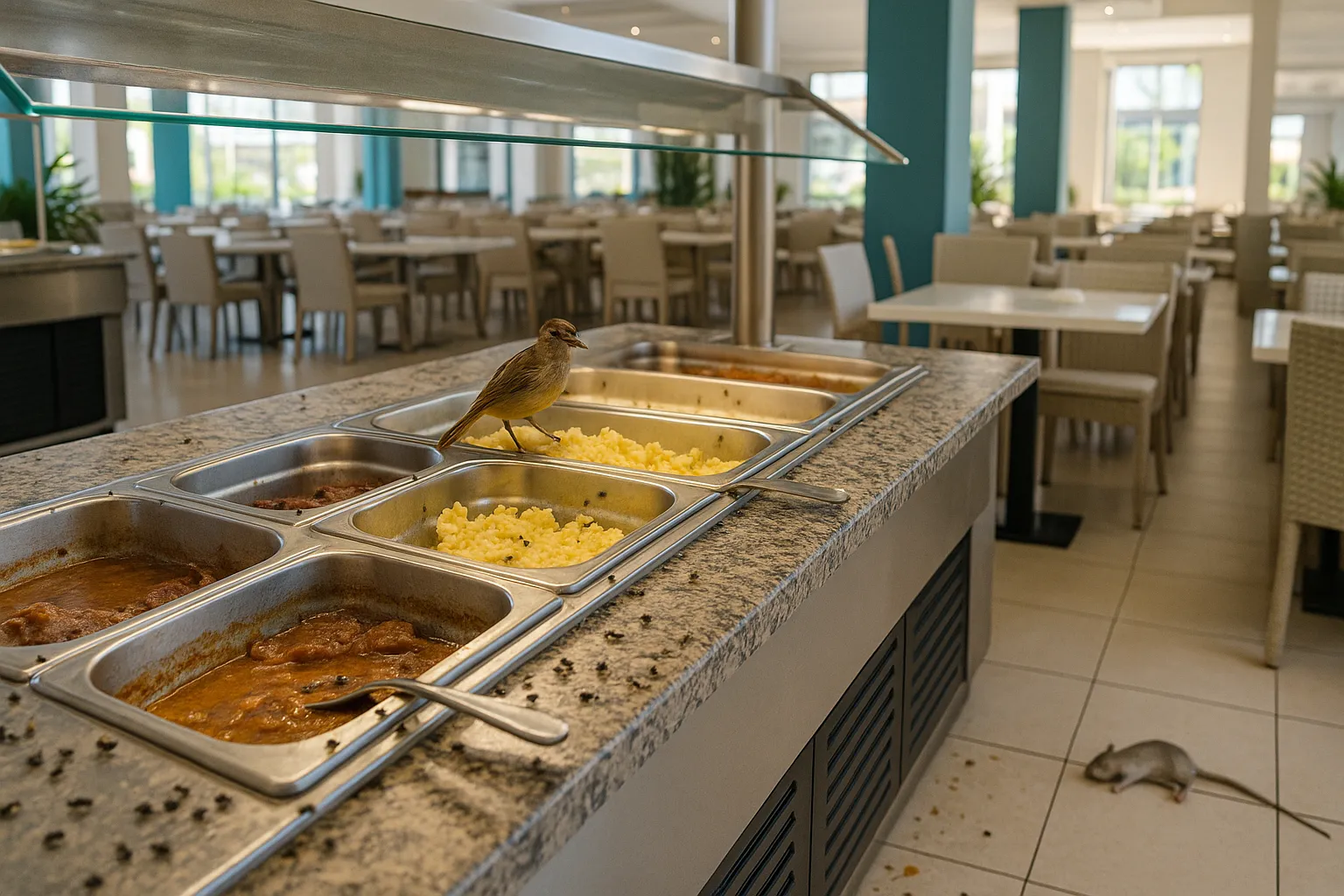
One notable example is the Riu Palace Santa Maria in Cape Verde, which is described by Tripadvisor’s AI summary as “popular with many travellers,” featuring “spacious rooms,” “diverse restaurants,” and a reputation for “spotless” cleanliness. However, reviews submitted by recent guests tell a starkly different tale. Several visitors reported troubling incidents of food hygiene, with comments highlighting “exceptionally poor hygiene” practices and food that was deemed “awful, bland, unsafe, and inedible.” One reviewer even recounted being served raw chicken, while another shared distressing images of flies and birds in buffet dishes. On one occasion, a guest claimed to have encountered “dead little roasted mice” near the seating area during what she referred to as her “nightmare” holiday. A guest whose entire family fell ill stated emphatically: “This place will destroy holidays, and [has the] potential to take lives.”
A report by the consumer advocacy group Which? indicates that in March this year, food poisoning was referenced in 102 reviews concerning the Riu Palace. Additionally, between December 2025 and April 2026, the hotel received 32 one- and two-star reviews, with 14 of these indicating that at least one member of the party experienced serious illness due to food poisoning. Numerous guests required hospital treatment, some cut their vacations short, and tragically, one guest lost their life earlier this year. The resort is currently entangled in legal action involving over 400 customers alleging that they fell ill after their stays, with reports of seven fatalities linked to the hotel since 2023.
Moreover, another AI tool on Tripadvisor, an interactive trip planning assistant named Ollie, similarly failed to adequately inform travellers about the risks associated with food hygiene at the Riu Palace. When queried about the likelihood of food poisoning, Ollie assured users that such incidents were “quite unlikely” and maintained that the hotel had a “strong reputation for high hygiene standards.”
Tripadvisor responded to inquiries from Which? regarding its AI tool, indicating a commitment to maintaining “transparency and impartiality” in its summaries, which aim to reflect “a range of both positive and negative community feedback associated with listings.” The company also acknowledged that Ollie is still under development and is taking steps to address discrepancies in reviews that may not align with the AI-generated summaries.
The issues at the Riu Palace are not isolated. Which? also uncovered significant discrepancies within the AI summaries for other establishments. For instance, guests who visited the Garza Blanca resort in Cancun last year shared accounts of illness, including from a wedding party, yet the AI summary praised the hotel for its “immaculate cleanliness” and “positive feedback” regarding dining options. Similarly, recent visitors to the Occidental Caribe in the Dominican Republic described their experiences as “disastrous” and spoke of severe health issues affecting the majority of a wedding party they were part of. Despite this, the AI’s summary highlighted “abundant amenities” while only lightly referencing “inconsistent” cleanliness standards.
Further complications arose with reports of safety concerns from visitors to Kaia Coracesium, located on the Antalya coast in Turkey. Reviews detailed instances of inappropriate behaviour by male staff members, including sexual harassment. Two guests reported troubling experiences where staff members followed their daughters to request social media connections. In stark contrast, the AI review described the service as “friendly,” with only a vague mention of “lapses noted by a few,” downplaying the severity of the allegations.
Tripadvisor defended its approach, stating that its AI uses advanced language processing tools to aggregate and distill the most prevalent themes within user reviews, aiming to succinctly present a balanced view of guest feedback. The company maintains that AI summaries are updated monthly and incorporate the most recent reviews, conveying themes based on frequency regardless of ratings.
In a broader context, Which? examined how other platforms handle AI-generated hotel summaries, noting that Google’s AI summaries are more adept at managing context. Google’s overview of the Riu Palace cautioned users about “the potential for illness,” noting specific reports of health outbreaks and unsanitary bird activities in buffet areas. In comparison, Google’s summary for Britannia hotels, known for consistently low ratings, accurately reflected the prevailing criticism from guests regarding “filthy” conditions and “horrendous” service, while Tripadvisor’s summary inaccurately claimed that visitors often praised the cleanliness and described the atmosphere as “charming.”
Rory Boland, Editor of Which? Travel, commented on Tripadvisor’s summaries, stating, “Tripadvisor may insist users can still fact-check its summaries against real reviews, but this ignores the fact that it made the decision to push these summaries to the very top of the page. This failure to surface critical safety information is unacceptable and potentially life-threatening.” He urged prospective travellers to scrutinise guest reviews, especially those with lower ratings, and to seek reviews on alternative platforms to ensure a safe holiday experience.
In response, a spokesperson for Tripadvisor expressed strong disagreement with the investigation’s conclusions, asserting that their AI summaries are intended to uphold the credibility that has made the platform popular among travellers. The company emphasised its commitment to ensuring safety information is clearly presented on its listings.
A representative from RIU Hotels & Resorts affirmed their dedication to guest health and safety, stating that the company adheres to strict hygiene standards accredited by reputable organisations. They highlighted their substantial operational history in Cape Verde, with a focus on maintaining high levels of service to ensure a positive holiday experience for all guests.
Which? continues to champion consumer advocacy, providing insights and recommendations to empower individuals and promote fairness within the hospitality industry.
Our Thoughts
Tripadvisor’s AI summarization process has led to significant misrepresentation of hotel hygiene standards, particularly for the Riu Palace in Cape Verde, where numerous reports of food poisoning and poor hygiene were overlooked. To prevent such incidents, Tripadvisor should ensure compliance with the Health and Safety at Work Act 1974, which mandates that all businesses provide a safe environment and accurate information regarding potential risks.
Key safety lessons include the importance of robust data verification, particularly when using AI tools for content curation. The lack of accurate safety summaries indicates a breach of the Management of Health and Safety at Work Regulations 1999, which requires proper assessments and communication of health risks.
To mitigate similar risks in the future, Tripadvisor must enhance its AI algorithms to prioritize credible guest reviews and historical safety records. Increased transparency in AI-generated content and clearer disclaimers about potential hazards could empower users to make informed choices, ultimately fostering a safer travel environment. Regular audits of AI outputs against user experiences would further reinforce accountability in reporting critical health and safety concerns.