












Story Highlight
– Mick Ferris died from a falling window pane.
– Incident occurred at The Corniche tower in London.
– Architects charged with failing health and safety duties.
– Previous window fell in 2017 without injuries.
– Window design changed after Ferris’ death.
Full Story
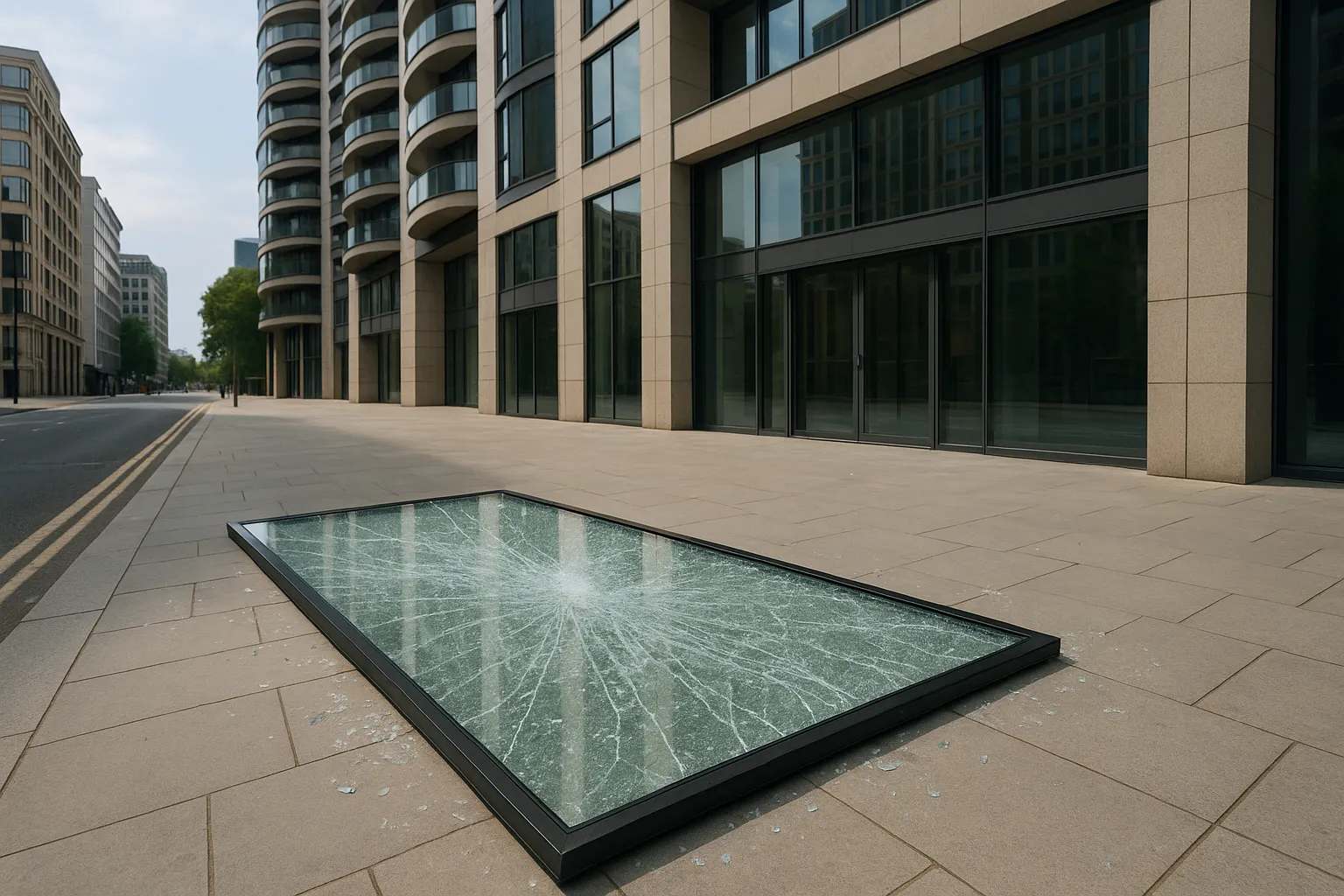
A tragedy unfolded in October 2018 when a window pane from a luxury residential development in London fell 250 feet, resulting in the death of Mick Ferris, a 54-year-old father and coach driver. The incident occurred at The Corniche, a 25-storey tower block situated on the Embankment, a prominent area of the capital.
Mr Farriss was killed as he crossed the road after completing his duties with Clarkes Of London; the heavy glass pane, weighing 130 kilograms and measuring 95 cm by 190 cm, plummeted from the penthouse level of the building, striking him with deadly force upon landing. Witnesses described the harrowing scene, which unfolded in broad daylight on a busy street frequented by pedestrians and motorists.
The ongoing trial at the Inner London Crown Court has brought to light serious allegations against the architects of The Corniche, the esteemed firm Foster + Partners, along with three other construction companies, including Lindner Prater Ltd, Wintech Ltd, and the St James Group Ltd. They are collectively charged under section one of the Health and Safety at Work Act 1974 for allegedly failing to fulfil their duty of care, exposing individuals to significant safety risks associated with the design of the building’s windows.
Gordon Menzies, the prosecuting lawyer, detailed in court that while the original design for the windows specified an inward opening mechanism—considered safer and more functional—this was changed to an outward opening design, a decision that may have compromised safety. Menzies highlighted the inherent danger associated with the new design, suggesting that even a mild gust of wind could dislodge the windows, as the panes were only secured by a single metal “restrictor.”
In 2017, a similar incident had occurred when a window pane fell from the building but, fortunately, resulted in no injuries or casualties. Despite this warning, the developers failed to reassess the window design. The prosecution noted that following the previous incident, an email was sent to Foster + Partners voicing concerns about future potential hazards, yet no corrective measures were taken.
Evidence presented in court included documentation indicating that construction workers were explicitly instructed not to open the windows, with written warnings displayed adjacent to them for residents. A strategy was employed by the builders, based on the hope that residents would remember to close the windows after use. Tragically, this reliance on memory and compliance proved inadequate.
Following Mr Ferris’s untimely death, the design of the windows was promptly reverted to the inward opening mechanism, a significant alteration that highlighted the perceived dangers of the previous design.
Described by colleagues as a “lovely bloke,” Mr Ferris’s unexpected passing left a profound impact on his family and friends. His son, Daniel, publicly mourned his father’s death in a heartfelt tribute shared on social media, expressing deep sorrow and reflecting on cherished memories: “Heartbroken isn’t the word to describe how myself and the family feel. I love you so much dad and I’ll think about you every day.”
The Corniche is marketed as an exclusive riverside residential address featuring 252 high-end apartments, including two, three, and four-bedroom units, with selling prices ranging from £2.7 million to £6.25 million. Designed by the renowned firm behind the iconic Gherkin building, it boasts breathtaking views of key London landmarks, attracting affluent residents looking for a luxurious lifestyle in a prime location.
As the trial progresses, the intricate details surrounding Mr Ferris’s death and the responsibility of the involved parties continue to be scrutinised. The safety mechanisms and regulations in place at construction sites have been an ongoing concern in the industry, and this case serves as a stark reminder of the potential consequences when safety protocols are overlooked or inadequately implemented.
Authorities and regulatory bodies may face increased pressure to ensure rigorous oversight of building safety standards to prevent further tragedies of this nature. As such incidents raise serious questions regarding the accountability of architectural and construction firms, the desire for improved safety measures becomes paramount to protect both workers and the public from avoidable harm.
The case remains a vital reminder of the importance of stringent safety practices in construction and the critical need for firms to adhere to established guidelines to mitigate risks associated with modern urban living. The ongoing trial stands not only as a means to seek justice for Mr Ferris’s family but also as a potential catalyst for widespread reform in safety standards industry-wide.
Our Thoughts
The tragic incident involving the window pane falling from The Corniche highlights serious lapses in health and safety management. The design change from inward-opening to outward-opening windows, which increased the risk of panes detaching, reflects a failure to adhere to the duties imposed by the Health and Safety at Work Act 1974, specifically regarding safe design and construction practices.
Key safety lessons include the importance of thorough risk assessments, particularly after a prior incident where a window fell in 2017, which indicated a clear risk that should have prompted immediate review and redesign. The reliance on a single metal restrictor for securing the windows lacked adequate safeguarding measures, emphasizing the need for robust engineering solutions to prevent such catastrophic failures.
Relevant regulations breached include the duty to ensure health and safety of workers and the public under the aforementioned Act. To prevent similar incidents, ongoing safety audits, a proactive approach to addressing design flaws, and effective communication of risks to both construction teams and residents are essential. Additionally, the implementation of fail-safes and redundancy in design features would mitigate risks associated with extreme weather or mechanical failures.