











Story Highlight
– Energy drinks banned for under-16s from April 2027.
– Applies to drinks over 150mg caffeine per litre.
– Retailers face fines for non-compliance with ban.
– Aim to reduce childhood obesity and related health issues.
– Teachers’ union supports ban, citing negative classroom effects.
Full Story
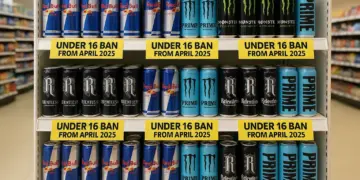
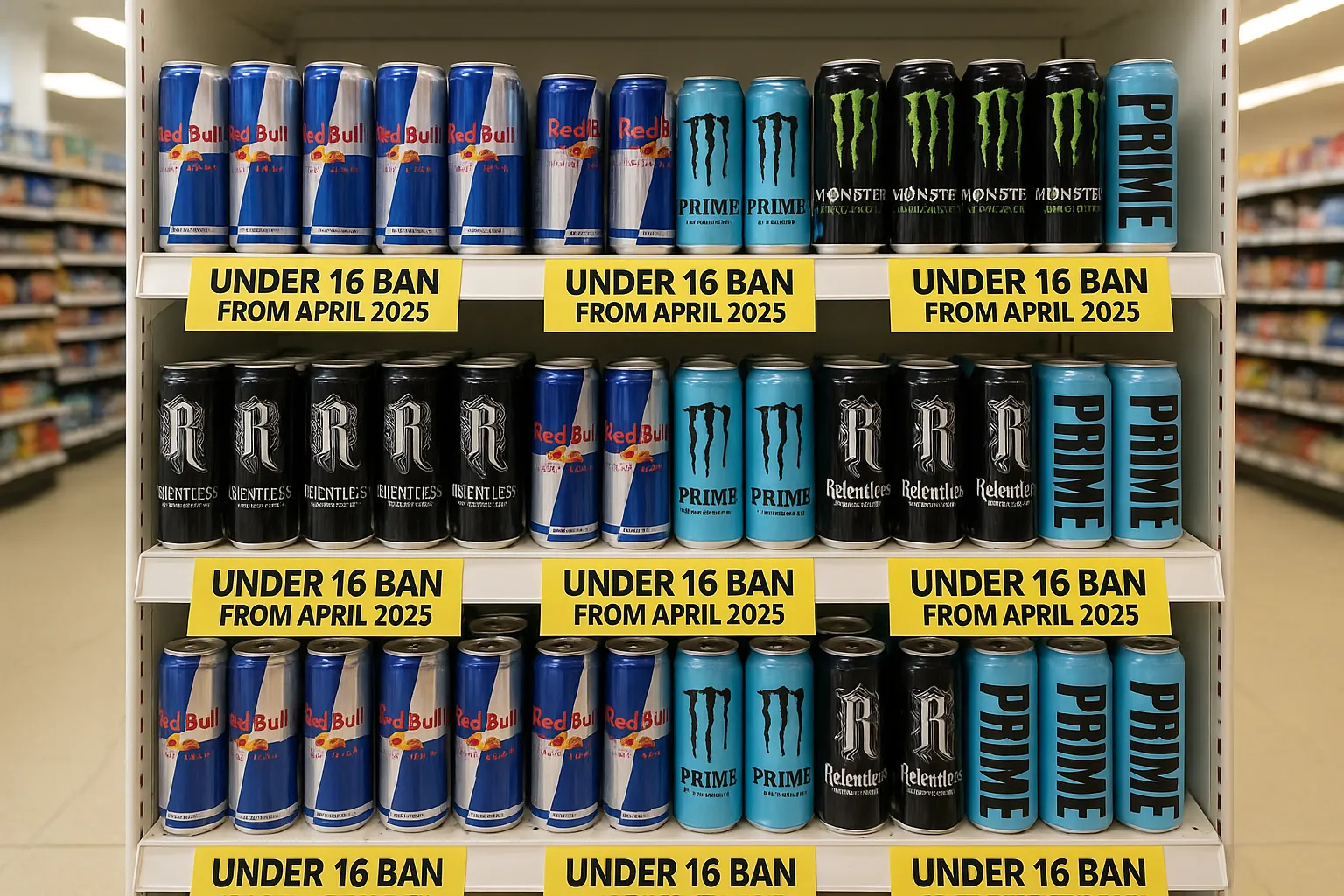
From April 2027, a ban on the sale of energy drinks to individuals under the age of 16 will come into effect in England. This regulation specifically targets beverages with caffeine content exceeding 150mg per litre, but it notably excludes traditional drinks such as tea and coffee. The prohibition will extend across multiple sales channels, including shops, vending machines, and online platforms.
Popular energy drinks like Red Bull, Monster, Relentless, and Prime are included in this ban, while lower-caffeine soft drinks such as Coca-Cola and Pepsi will remain unaffected. Retailers will bear the responsibility of ensuring these drinks are not sold to those under the specified age limit, with non-compliance resulting in penalties that could reach £2,500.
An estimated 100,000 children in England reportedly consume at least one high-caffeine energy drink daily. The introduction of this legislation is part of broader public health efforts aimed at mitigating rising levels of childhood obesity and reducing potential health complications linked to excessive caffeine intake. These complications can include disrupted sleep patterns, heightened anxiety, decreased concentration, and poorer outcomes in educational performance.
The government plans to implement this directive through secondary legislation, utilising powers under the Food Safety Act of 1990. The announcement aligns with a growing movement to protect young people’s health and well-being, reflecting concerns raised by health professionals and educational bodies.
Public health minister Sharon Hodgson articulated the rationale behind the ban, stating, “High-caffeine energy drinks have no place in children’s hands. We know thousands of kids in England consume them daily, but the evidence is clear that this can cause anxiety, affect their sleep and concentration and can have a detrimental impact on their education.” She further emphasised that the aim of this legislation is to curtail minors’ access to drinks deemed harmful to their health.
The proposed ban has found support within the educational sector. The NASUWT, a prominent teachers’ union, expressed approval, with general secretary Matt Wrack noting, “We have long campaigned for a ban on the sale of these types of energy drinks to children and young people.” Wrack highlighted the organization’s efforts over the years, referencing a commitment from Labour leader Keir Starmer to pursue such measures. He added, “Teachers and school leaders continue to see first-hand on a daily basis the contribution energy drinks can make to poor pupil behaviour and pupils’ ability to concentrate in class.”
In contrast, the British Soft Drinks Association (BSDA) has voiced opposition to the ban, describing it as “unnecessary.” A spokesperson argued that members of the BSDA have adhered to a voluntary code of practice that has been in place since 2010, which includes self-imposed marketing restrictions aimed at protecting younger consumers. The spokesperson stated, “The available evidence shows that the vast majority of caffeine consumed by children and adolescents comes from sources other than energy drinks.” They claimed that the decision to legislate against the sale of energy drinks to under-16s is not substantiated by a significant body of evidence indicating widespread overconsumption or harm.
This forthcoming legislation is part of a wider public discourse surrounding childhood health and nutrition, as healthcare professionals and educators alike express their concerns about the negative impacts of high-caffeine beverages on young people’s physical and mental well-being. Increased levels of anxiety and stress among school-age children have prompted significant attention, and the consumption of energy drinks has been frequently cited as a contributing factor.
Health experts have long warned about the potential adverse effects of high caffeine consumption among children. They stress that excessive doses can lead not only to physical health issues but also significantly impair cognitive function and emotional stability. As schools increasingly report on behavioural challenges linked to energy drink consumption, the introduction of restrictions is seen as a vital step toward fostering a healthier environment for learning and growth.
Data revealing the prevalence of energy drink consumption among children has alarmed parents and healthcare providers, prompting calls for regulatory action. As part of the approach to enhance health in youth, the government is actively seeking ways to address these concerns through enforceable measures.
The impending ban reflects a trend towards stricter controls on the sale of potentially harmful consumables to young individuals. Public health advocates argue that legislative intervention is necessary to ensure a healthier future generation. In light of the significant policy changes on the horizon, the debate surrounding energy drinks is likely to intensify as stakeholders assess the implications of these new rules on the beverage industry and child welfare.
As the countdown to the implementation of this ban gathers pace, the government is poised to monitor industry compliance closely, ensuring that the objectives of safeguarding children’s health and promoting educational success remain at the forefront of public policy. With April 2027 rapidly approaching, both supporters and critics of this significant policy shift will continue to voice their opinions as the nation navigates these important changes in public health legislation.
Our Thoughts
The article highlights the upcoming ban on the sale of high-caffeine energy drinks to those under 16, a response to the negative health impacts these beverages can have on children. To avoid such issues in the first place, more proactive measures could have been implemented, including strict age verification systems at points of sale and public awareness campaigns about the risks associated with high caffeine consumption among minors.
Relevant safety lessons include the necessity for retailers to take greater responsibility for the products they sell and the potential need for independent monitoring to ensure compliance. The regulations that may be viewed as breached include the principles outlined in the Health and Safety at Work Act 1974, particularly regarding the duty of care to protect young consumers from harm.
Future prevention efforts could focus on continuous education for both retailers and consumers about the implications of caffeine intake, complemented by better enforcement mechanisms to deter non-compliance. Moreover, consideration of similar restrictions on other harmful substances marketed to children could further safeguard public health.