













Story Highlight
– Digital technologies enhance patient safety in GP practices.
– Study reviewed 74 clinical trials over 23 years.
– Medication safety improved by 46% using digital tools.
– PINCER program successfully prevents incorrect prescribing.
– Integrated systems show greatest improvements in safety.
Full Story
Digital technologies implemented in general practitioner (GP) practices have been shown to significantly enhance patient safety, according to a comprehensive study conducted by The University of Manchester. The research, which is the largest review of its kind, examined evidence from 74 clinical trials spanning over 23 years and has been published in the journal BMC Medicine. This initiative was funded by the National Institute for Health Research (NIHR) Patient Safety Research Collaboration (PSRC): Greater Manchester.
The findings of the study demonstrated that the integration of digital tools within primary care settings can lead to substantial improvements in patient safety outcomes. The review indicated that systems combining various digital functionalities, such as automated prescribing, real-time reporting of missed tests for healthcare professionals, and digital communication pathways for patients, were particularly effective.
Key results from the research highlighted that the implementation of digital safety interventions resulted in a notable 46% enhancement in medication safety compared to traditional methods. This improvement was largely attributed to a reduction in hazardous prescribing practices and dosage errors. Furthermore, the study observed that non-medication safety processes benefitted even more significantly, with a remarkable 77% reduction in errors when digital tools were employed, facilitating quicker diagnostic evaluations and more timely laboratory assessments. Additionally, there was a 17% decrease in instances of physical harm and adverse events among patients, which played a crucial role in reducing unnecessary hospital admissions, severe asthma attacks, and critical adverse drug reactions.
The study also identified specific digital technologies that have proven instrumental in improving patient safety and facilitating effective communication and treatment decision-making processes. Among these tools was the PINCER programme, a UK-developed initiative that utilises electronic health records to assist GPs and pharmacists in recognising and averting erroneous prescriptions. This programme exemplifies how digital frameworks can enhance safety on a larger scale while optimizing NHS resource utilisation.
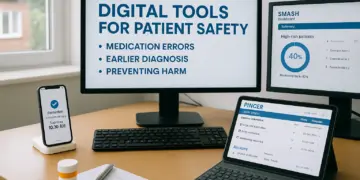
Inspired by the successes of the PINCER initiative, new digital innovations have emerged, including the SMASH (Safe Medication Audit and Safety in Healthcare) dashboard. This tool was developed in collaboration between researchers at the NIHR PSRC: Greater Manchester, NHS partners, and industry contributors. The SMASH dashboard serves as a digital resource for clinicians, enabling them to swiftly identify and mitigate medication-related risks. An early evaluation of its deployment in Salford, covering over 235,000 patients across 43 GP practices, reported a significant 40% reduction in hazardous prescribing within just 12 months.
The evaluation emphasised the effectiveness of embedding evidence-based safety metrics into routine clinical practices. By doing so, tools such as SMASH allow clinicians to detect and resolve medication risks more efficiently and consistently.
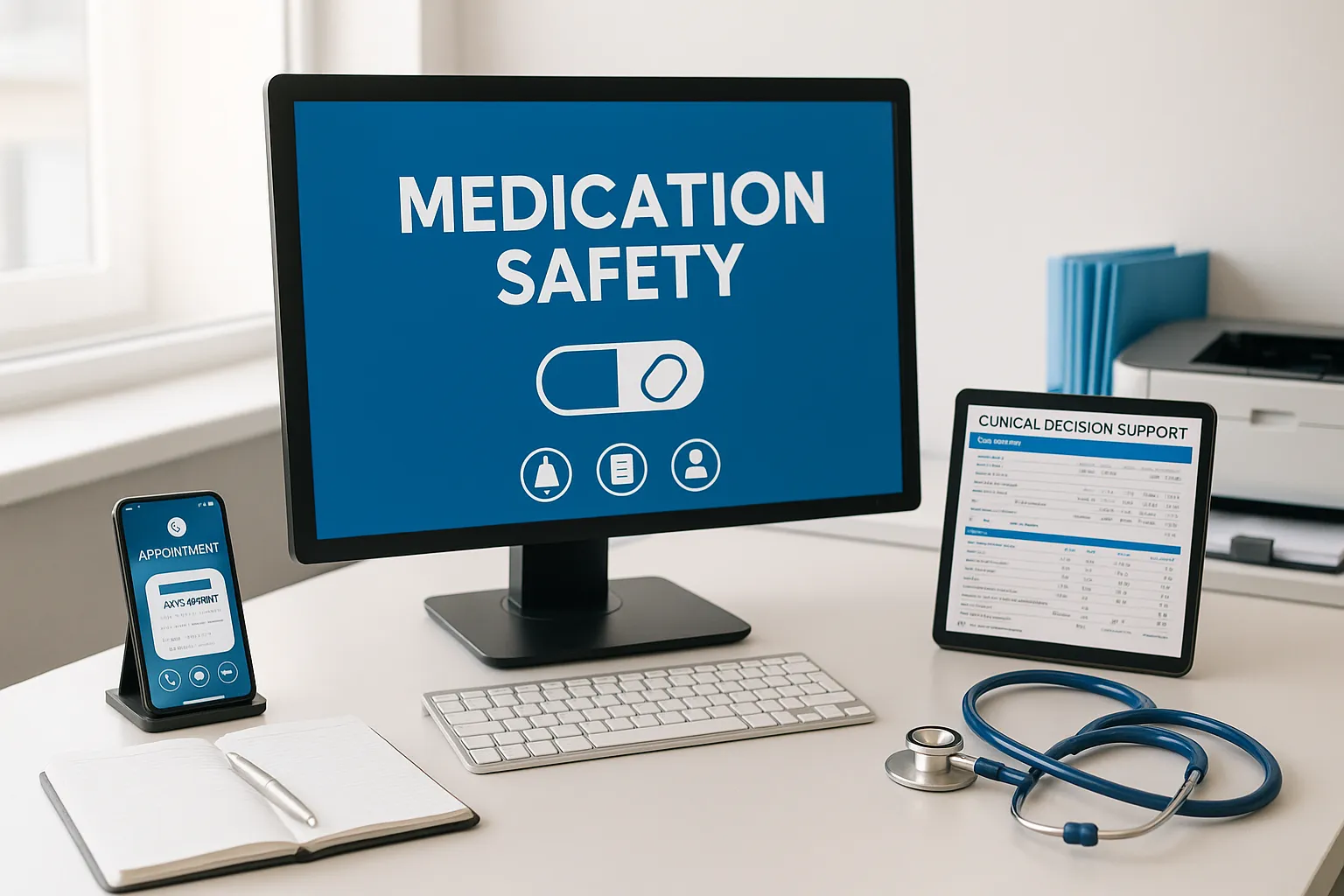
The researchers also noted that the most profound advancements in patient safety were observed in integrated systems that harmoniously combined various functionalities. These included clinical decision support tools, patient communication methods, and mechanisms for audit and feedback. For instance, when Clinical Decision Support Systems (CDSS) were used alongside Audit and Feedback (A&F) frameworks, which enable practices to routinely assess their safety metrics, a notable improvement in patient care was achieved.
Moreover, tools that incorporated patient engagement features, such as automated text reminders or patient portals, contributed positively to non-medication safety processes. This integration led to nearly threefold increases in punctual investigations and follow-up care for patients.
The implications of this research are significant, as they point to a future where digital technologies can play an essential role in healthcare delivery. By prioritising the adoption of such tools, healthcare providers could significantly enhance patient outcomes, ensuring safer practices within primary care environments.
With the increasing pressures on healthcare systems, particularly in the aftermath of the COVID-19 pandemic, the importance of digitalisation in medicine cannot be overstated. This study provides a crucial insight into how embracing modern technology can transform patient care and safety, ultimately leading to improved health outcomes and more efficient healthcare services.
The evidence presented underscores the necessity for ongoing support and investment in digital health initiatives, which not only benefit individual patients but can also optimise resource allocation within the NHS. As healthcare continues to evolve, leveraging digital solutions will likely become paramount in meeting the challenges faced by primary care providers and enhancing overall patient safety.
Our Thoughts
The study highlights the potential of digital technologies in reducing medication errors and enhancing patient safety within GP practices. To prevent medication errors and improve patient safety, integration of robust digital systems like Clinical Decision Support Systems (CDSS) with Audit and Feedback mechanisms is essential. Regrettably, failure to utilize such technologies could result in breaches of the Health and Safety at Work Act 1974, which mandates employers to ensure the health and safety of employees and others affected by their activities.
Key safety lessons include the importance of adopting evidence-based technology and regular monitoring of safety data to preemptively identify risks. Implementing patient-facing tools, such as automated reminders, can significantly enhance communication and follow-up care, thereby reducing the likelihood of adverse events.
To mitigate similar incidents in the future, practices should prioritize training staff on digital tools and incorporate comprehensive safety checks within their protocols. Compliance with the UK’s General Data Protection Regulation (GDPR) must also be maintained during the implementation of digital solutions to protect patient information. Overall, embracing such technologies is crucial for continuous improvement in patient safety.