
















Story Highlight
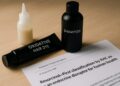
– Two weight-loss pills approved in the UK recently.
– Orforglipron and Wegovy produced by Novo Nordisk.
– Available privately; not yet on NHS.
– Approved for patients with BMI over 30 or diabetes.
– Concerns about counterfeit weight-loss pills on the market.
Full Story
In a significant development for those seeking weight management solutions in the UK, two oral medications aimed at tackling obesity have gained approval from the Medicines and Healthcare products Regulatory Agency (MHRA) in quick succession. This surge in options comes after years of anticipation for accessible weight loss treatments.
Orforglipron is the latest entrant into this burgeoning market, following the approval of the Wegovy pill earlier this year in June. Both medications, developed by the pharmaceutical company Novo Nordisk, represent a growing trend of medical interventions designed to assist individuals grappling with obesity and related health conditions like type 2 diabetes.
The newfound availability of these treatments has sparked considerable interest, as millions are reported to be already utilising the injectable forms of GLP-1 medications, commonly referred to as “fat jabs.” However, for many, the thought of injections is daunting, particularly for those with a fear of needles. Consequently, the oral formulation has been eagerly anticipated, as it may offer a more palatable option for patients.
As yet, both orforglipron and Wegovy are not accessible through the National Health Service (NHS) while further evaluations are conducted. This includes a comprehensive assessment by the National Institute for Health and Care Excellence (NICE), which is expected to help determine the medications’ cost-effectiveness and their suitability for broader NHS prescription. In the interim, private prescriptions may be an option for those eager to access these treatments sooner.
The timeline for orforglipron’s rollout remains unclear, but its recent approval trajectory suggests a potential for rapid availability in private settings. A recent trial indicated that patients using orforglipron experienced notable weight loss, shedding an average of 12.4% of their body weight over a span of 16 months, equivalent to roughly two stone.
In terms of eligibility, orforglipron will be provided to individuals classified as obese, defined by a body mass index (BMI) exceeding 30, or those with a BMI of 27 alongside a weight-related health condition. Furthermore, patients with type 2 diabetes who require assistance in managing their blood sugar levels will also qualify for prescriptions.
Julian Beach, the MHRA’s executive director of healthcare quality and access, expressed satisfaction with the approval, stating, “Following rigorous assessment of orforglipron’s safety, quality, and effectiveness, we are pleased to be the first regulator in Europe to authorise this tablet for weight management and type 2 diabetes.” He noted that the agency would continue to monitor the drug’s safety and efficacy closely, emphasizing that orforglipron will only be available through registered pharmacies and with a doctor’s prescription.
The MHRA has issued cautions against purchasing from unofficial sources, highlighting the serious health risks associated with acquiring medications from unregulated sellers. This advisory aligns with concerns raised by pharmacy professionals regarding a potential surge in counterfeit weight-loss pills, particularly following the introduction of the Wegovy pill.
A survey conducted by the National Pharmacy Association (NPA) revealed that 97% of surveyed pharmacies voiced apprehension over the increase in fake weight loss products entering the market. Olivier Picard, chairman of the NPA, noted, “As this survey shows, pharmacies are concerned about a dangerous and growing black market for weight-loss medicines, with tablet forms of medication likely to be easier for criminals to counterfeit.” His warnings suggested that consumers exercise caution when engaging with online sellers, especially those offering medications at suspiciously low prices or without prior consultations.
Pharmacists are encouraging individuals who buy medication online and feel uncertain about its legitimacy to seek advice from their local pharmacy. This move is part of a broader effort to ensure that patients are aware of the potential dangers and limitations of weight loss medications, which, although promising, are not a universal remedy.
Experts maintain that while these medications represent a valuable tool in the fight against obesity, they should be integrated into a holistic approach that includes dietary changes and lifestyle interventions.
With the approval of orforglipron and its significant weight loss potential, patients now have another option to consider as part of their journey towards healthier living. Nonetheless, it remains crucial for individuals to engage in informed conversations with healthcare providers about the suitability of these medications for their unique circumstances.
As the landscape of weight management evolves, the healthcare community continues to monitor the implications of these treatments, aiming to strike a balance between accessibility and safety for all those affected by obesity and related health issues.
Our Thoughts
To mitigate risks associated with the recent approval of weight-loss medications like orforglipron, several measures could have been implemented. Firstly, robust communication and public awareness campaigns regarding the dangers of purchasing medications from unregulated sellers could have been bolstered to deter the rise of counterfeit pills.
Secondly, the Medicines and Healthcare products Regulatory Agency (MHRA) could enhance its monitoring of online sales, including enforcing stricter penalties for illegal sellers, ensuring compliance with the Misuse of Drugs Act 1971 and the Medicines Act 1968. Regular inspections and collaboration with law enforcement can address the black market more effectively.
Additionally, clearer guidance must be provided on the potential side effects associated with these medications, helping healthcare providers better inform patients under the Health and Safety at Work Act 1974. There should be ongoing training for prescribers to ensure they can evaluate patient eligibility thoroughly and discuss the appropriate use of such medications.
Finally, potential regulatory breaches surrounding inadequate oversight of the prescribing process could lead to increased health risks, emphasizing the need for stringent adherence to the General Pharmaceutical Council (GPhC) standards in pharmacy practice. Overall, fostering a safer medication distribution environment is crucial for patient safety.