














Story Highlight
– Nearly 2,000 prison cells empty due to fire risks.
– Upgrade to fire safety systems required by 2027.
– PM seeks ways to keep PC Harper’s killers jailed.
– 19,000 cells still need fire safety improvements.
– Justice officials examining options to block early releases.
Full Story
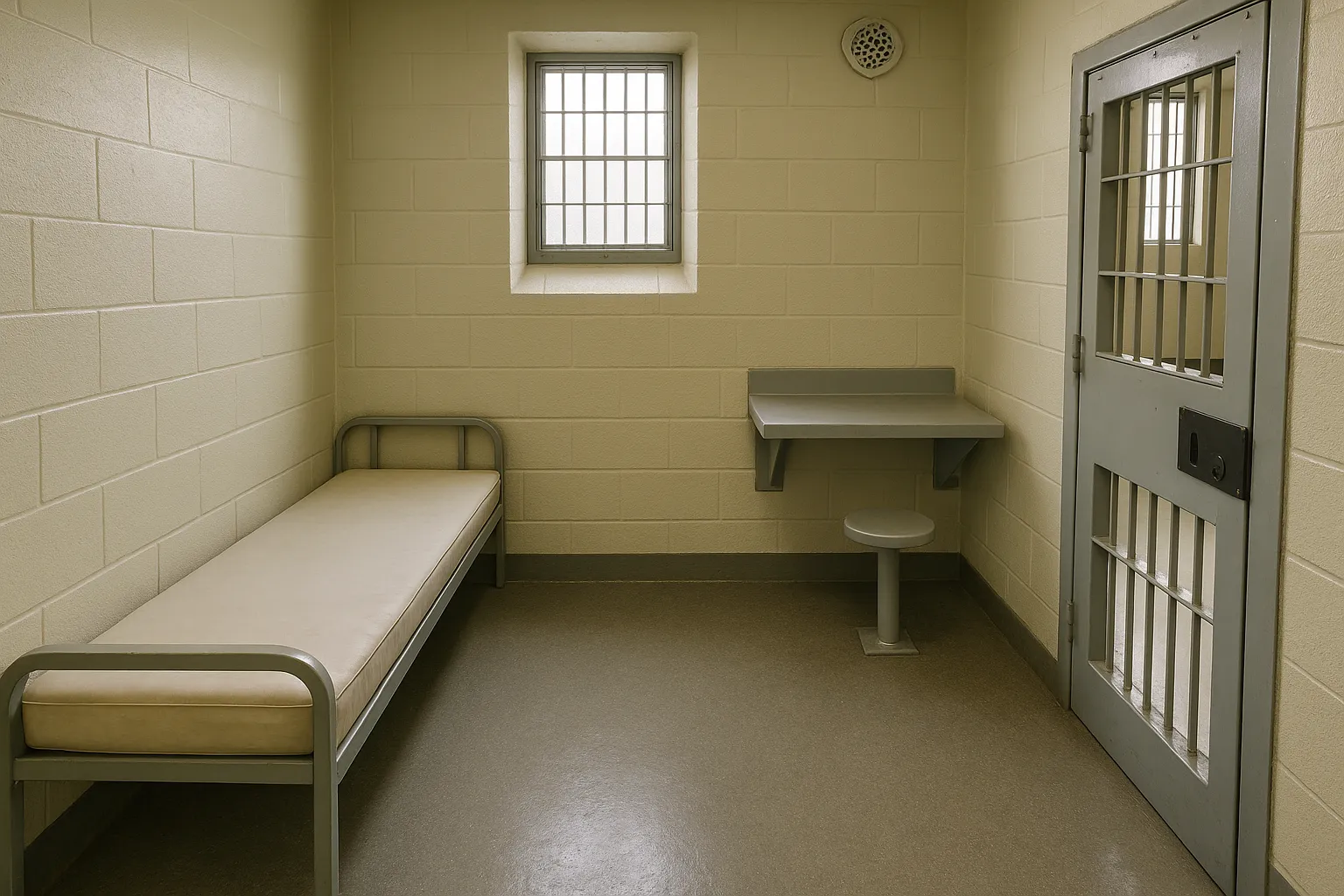
Nearly 2,000 prison cells across the UK are currently unoccupied due to safety concerns, particularly related to fire risks, even as the government looks to address prison overcrowding. The ongoing issue has forced the prison service to relocate offenders to other facilities, while regulatory authorities have identified these cells as hazardous.
Recent reports indicate that about 1,800 cells remain unused as efforts intensify to implement automatic fire detection (AFD) systems in all cells by 2027. Out of the total, approximately 19,000 cells necessitate these upgrades. This situation unfolds as Prime Minister Andy Burnham is under considerable pressure to ensure that those convicted of killing PC Andrew Harper do not receive early release from prison.
Government officials have committed to installing fire safety systems in a total of 10,000 prison cells by 2027; however, a timeline for the completion of upgrades on the remaining cells has yet to be established. Mark Fairhurst, the Chairman of the Prison Officers’ Association, mentioned that there may be a possibility of postponing some upgrade work in order to reactivate certain cells for use. He noted that while officials can expedite some processes, the priority must remain the safety of inmates assigned to those cells marked as high fire risks.
Gemma Abbott, the legal director of the Howard League for Penal Reform, highlighted that it has been twenty years since the government first acknowledged fire safety issues within the prison system. According to her, during this period, there have been nine fatalities linked to fire incidents in public prisons. She stated, “While the chaos of the implementation of the Sentencing Act has understandably drawn attention and ire from across the board, we cannot forget that many of those who remain locked up in prison—and the staff who work there—are being exposed to intolerable fire safety risk.”
A spokesperson from the Ministry of Justice reaffirmed the commitment to prison safety and emphasized that work on essential fire safety improvements is being conducted as swiftly as possible. They stated, “This is part of our plan to ensure that we can put more dangerous criminals behind bars and ensure the country never runs out of prison space again.”
In light of the new Sentencing Act that gained royal assent in January, an influx of prisoners was anticipated to be released starting in September in an effort to alleviate overcrowding—a move that spurred widespread backlash from various quarters. However, Prime Minister Burnham initiated a pause in the scheme last month, commissioning a thorough review by the Ministry of Justice (MoJ) to determine if any members of grooming gangs might qualify for early release. This review is set to resume on October 1, which puts a significant number of offenders—including sex offenders, domestic abusers, and murderers—at risk of reduced sentences by as much as two-thirds.
In the wake of these developments, every police chief in the UK collectively signed a letter urging Mr. Burnham to exhaust “every lawful option” to ensure that the perpetrators of PC Andrew Harper’s death remain incarcerated. This move underscores the growing concern among law enforcement regarding the potential implications of revised release policies on public confidence in the justice system and overall community safety.
Albert Bowers and Jessie Cole, both convicted for the manslaughter of the 28-year-old officer in 2019, currently serve 13-year sentences. The two, who were 17 at the time of the crime, were involved in an incident where PC Harper was fatally dragged for over a mile by their vehicle after his ankles became entangled in a towrope.
In the face of public outcry and confusion, Prime Minister Burnham acknowledged that “more needs to be done” and stated that he is “turning over every stone” in this matter. Previously, the government expressed concerns over potential legal challenges that might arise if they attempted to prevent the early release of the offenders halfway through their sentences. Following a decision to halt the release of over 1,000 offenders—including rapists and child sex offenders—last week, Burnham asserted that he has reached “the limits” of his intervention capacity.
Nonetheless, a government spokesperson indicated on Monday that the Prime Minister has tasked the Justice Secretary with exploring “further options” to maintain the detention of serious offenders, including those responsible for Andrew Harper’s death. Reports have emerged detailing Burnham’s personal commitment, as he conveyed to PC Harper’s sister that he “wouldn’t forgive himself” if efforts to keep her brother’s killers imprisoned fell short.
As the government grapples with these pressing safety and legal concerns, the intersection of fire safety issues within prisons and public confidence in the justice system remains a critical topic of discussion among officials, advocates, and the public.
Our Thoughts
The current situation highlights significant breaches of UK health and safety legislation, particularly the Regulatory Reform (Fire Safety) Order 2005, which mandates proper fire risk assessments and safety systems in premises, including prisons. The failure to implement automatic fire detection (AFD) systems in nearly 19,000 cells, despite acknowledging fire safety concerns for over two decades, points to neglect in compliance with safety standards and risk management.
To avoid this issue, the Ministry of Justice should have prioritised the completion of fire safety upgrades and responded promptly to regulatory flags indicating fire risks. Regular maintenance and timely upgrades of safety systems could have mitigated the risk of serious incidents.
Key safety lessons include the importance of proactive risk management, adherence to established safety regulations, and accountability in ensuring the safety of both inmates and staff. To prevent similar incidents in the future, a robust plan with explicit timelines for safety upgrades should be established, alongside regular reviews of compliance with fire safety regulations to ensure that safety risks are addressed promptly and effectively.