
















Story Highlight
– One person died from a nationwide salmonella outbreak.
– Hundreds fell ill, with 38% hospitalized.
– Outbreak linked to imported eggs, not UK-produced eggs.
– Common salmonella symptoms include diarrhea, cramps, fever, vomiting.
– Food safety advice remains unchanged for thoroughly cooked eggs.
Full Story
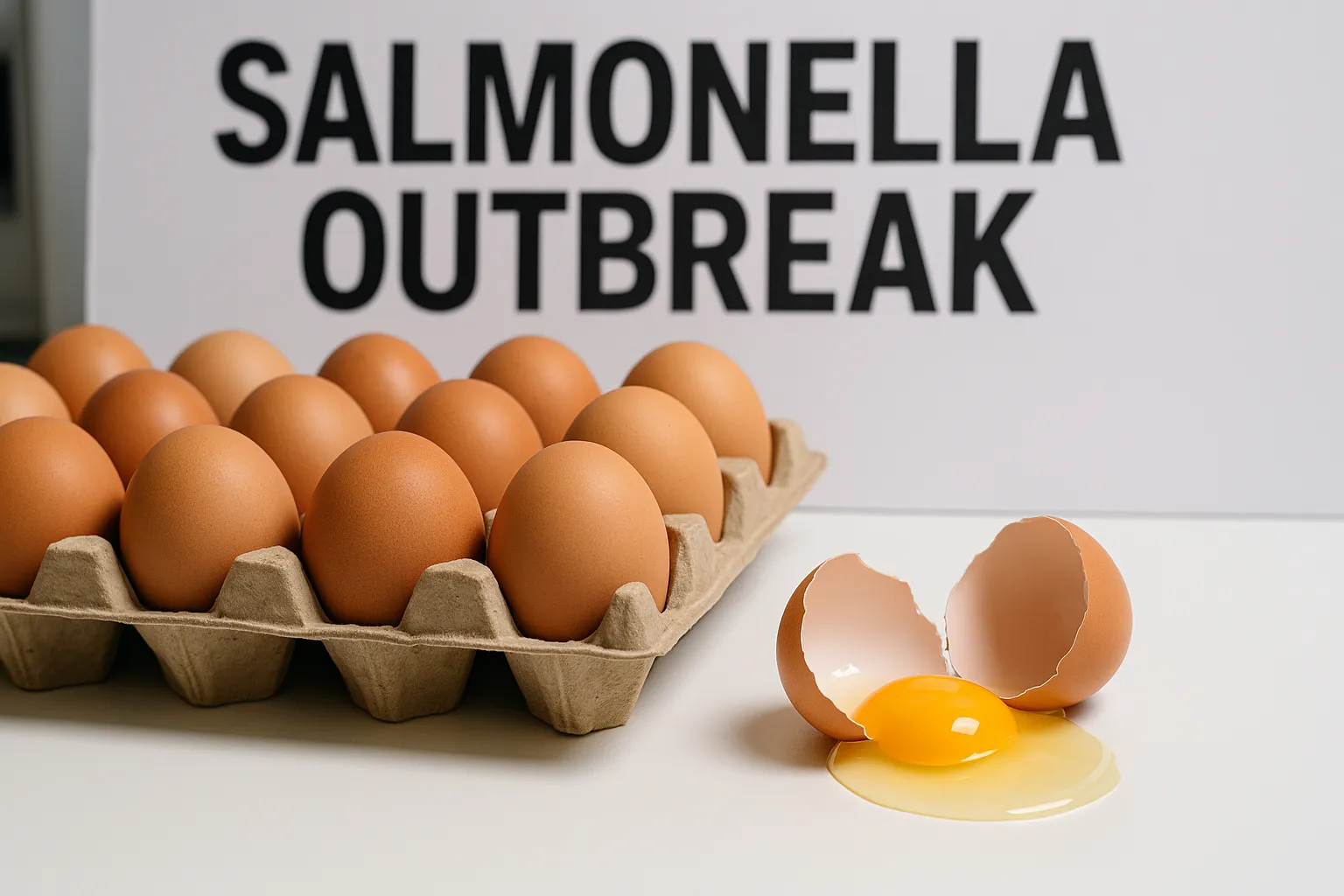
One individual has tragically lost their life, and numerous others have fallen ill in a recent wave of food poisoning incidents reported across the United Kingdom. The UK Health Security Agency (UKHSA) has indicated that this surge in salmonella cases may be linked to imported eggs originating from outside the UK.
The agency has confirmed the death as part of the outbreak, which has proven particularly severe, with many individuals requiring medical treatment. Salmonella infections typically lead to symptoms like diarrhoea, abdominal cramps, fever, and vomiting. However, in this specific outbreak, 38% of those affected have necessitated hospitalisation, and two individuals have experienced infections that could pose a serious risk to their health.
In light of these developments, many are concerned about the safety of egg consumption. The Food Standards Agency (FSA) has assured the public that there is currently no evidence indicating that domestically produced eggs in the UK are affected by this outbreak. Investigations have revealed that the source is likely linked to imported eggs predominantly used by catering and food service establishments, including restaurants and cafes.
Jacquelyn McCormick, who oversees incidents at the FSA, stated that the guidance regarding egg consumption remains unchanged. She emphasised, “Eggs which are thoroughly cooked and handled hygienically should not present a food safety risk.”
Those buying or preparing eggs are advised by the FSA to exercise caution, especially vulnerable groups such as infants, young children, pregnant individuals, and the elderly. These individuals are encouraged to consume only properly cooked eggs or those with a British Lion mark or produced under the Laid in Britain egg assurance scheme. For those with significant health issues who follow medically supervised diets, it is crucial that they heed their doctor’s advice. Furthermore, anyone handling eggs or their packaging should wash their hands thoroughly with soap and warm water to minimise the risk of contamination.
Regarding the extent of the outbreak, from 11 August last year until 1 August this year, a total of 207 cases have been reported: 199 in England, six in Scotland, one in Wales, and one in Northern Ireland. Among English regions, London saw the highest incidence, with 47 confirmed cases, followed closely by Yorkshire and the Humber, which recorded 38 cases. The affected individuals represent a wide age range, from infants to those aged 90.
Hannah Charles, the lead epidemiologist for gastrointestinal infections at UKHSA, remarked, “We’re working with the Food Standards Agency and other public health agencies to investigate a salmonella outbreak that may be linked to eggs imported from outside of the UK.”
Typical symptoms of salmonella infection usually manifest as a mild illness. However, certain populations with compromised immune systems may experience more severe reactions. Common symptoms of food poisoning include nausea, vomiting, diarrhoea, abdominal pain, fever, and a general feeling of malaise. Symptoms typically emerge within hours or a few days after consuming contaminated food.
Ms Charles advised, “Anyone who is concerned about symptoms should contact their GP or an out-of-hours service in the first instance.” She further elaborated on salmonellosis stating that it is often caused by the ingestion or handling of contaminated food and can, although infrequently, spread from person to person. To mitigate the risk of infection, it is crucial to wash hands thoroughly after using the restroom and before preparing or handling food, ensure food is well-cooked, and avoid preparing food for others if experiencing any symptoms.
This outbreak coincides with a worrying trend, as cases of salmonella poisoning following consumption of tainted food have reached their highest levels in England in a decade. Dr Kimon Andreas Karatzas, a food microbiology professor at Reading University, suggested that the ongoing cost of living crisis could be contributing to the rise in infections.
He offered insights into the possible connection, stating, “The cost of living crisis might be potentially driving changes in supply chains. It is possible that the cost of living crisis forces more people to prepare food by themselves, which might increase the chances of cross-contamination.” Dr Karatzas highlighted the simultaneous rise in cases of Campylobacter, a bacteria often linked to cross-contamination at home, as indicative of this issue.
He noted, “The fact that there is no major increase in salmonellosis infections associated with outbreaks and a concurrent increase in Campylobacter cases might be pointing to this direction.” He wrapped up by suggesting that a more thorough investigation of the situation would be beneficial, particularly in understanding the rise in salmonellosis infections and their association with specific outbreaks or individual cases.
As health authorities continue to track and respond to this critical public health issue, individuals are encouraged to remain alert, informed, and to follow food safety guidelines to protect themselves and others from potential illness.
Our Thoughts
The salmonella outbreak linked to imported eggs highlights significant lapses in food safety protocols and regulations under UK law, particularly the Food Safety Act 1990 and the General Food Law Regulation (EC) No 178/2002. Enhanced scrutiny during the import process could have mitigated this risk. Food businesses, particularly in catering, must ensure they source eggs from verified suppliers compliant with health standards.
Key lessons include the need for stricter enforcement of hygiene practices among catering establishments, particularly in handling and cooking eggs, which should be thoroughly cooked based on FSA guidelines. Improved staff training on food safety and the importance of cross-contamination prevention is essential.
The outbreak’s severity, with a high proportion requiring hospitalisation, underscores the necessity for prompt reporting mechanisms for suspected foodborne illness and regular health audits. Encouraging consumer awareness around the purchasing of eggs, especially regarding the British Lion mark, could decrease the risk of salmonella infections.
To prevent future outbreaks, it is critical that regulatory authorities strengthen import controls, promote best practices, and enhance communication about food safety to both suppliers and consumers. Regular monitoring could also help detect emerging trends, like those linked to the cost of living crisis impacting food preparation methods.