













Story Highlight
– 474 salmonella cases linked to imported eggs in UK.
– Two new clusters identified; two deaths reported.
– Most illnesses occurred after eating out, not home cooking.
– Similar cases reported in several European countries.
– Safe to consume UK-produced eggs with specific certifications.
Full Story
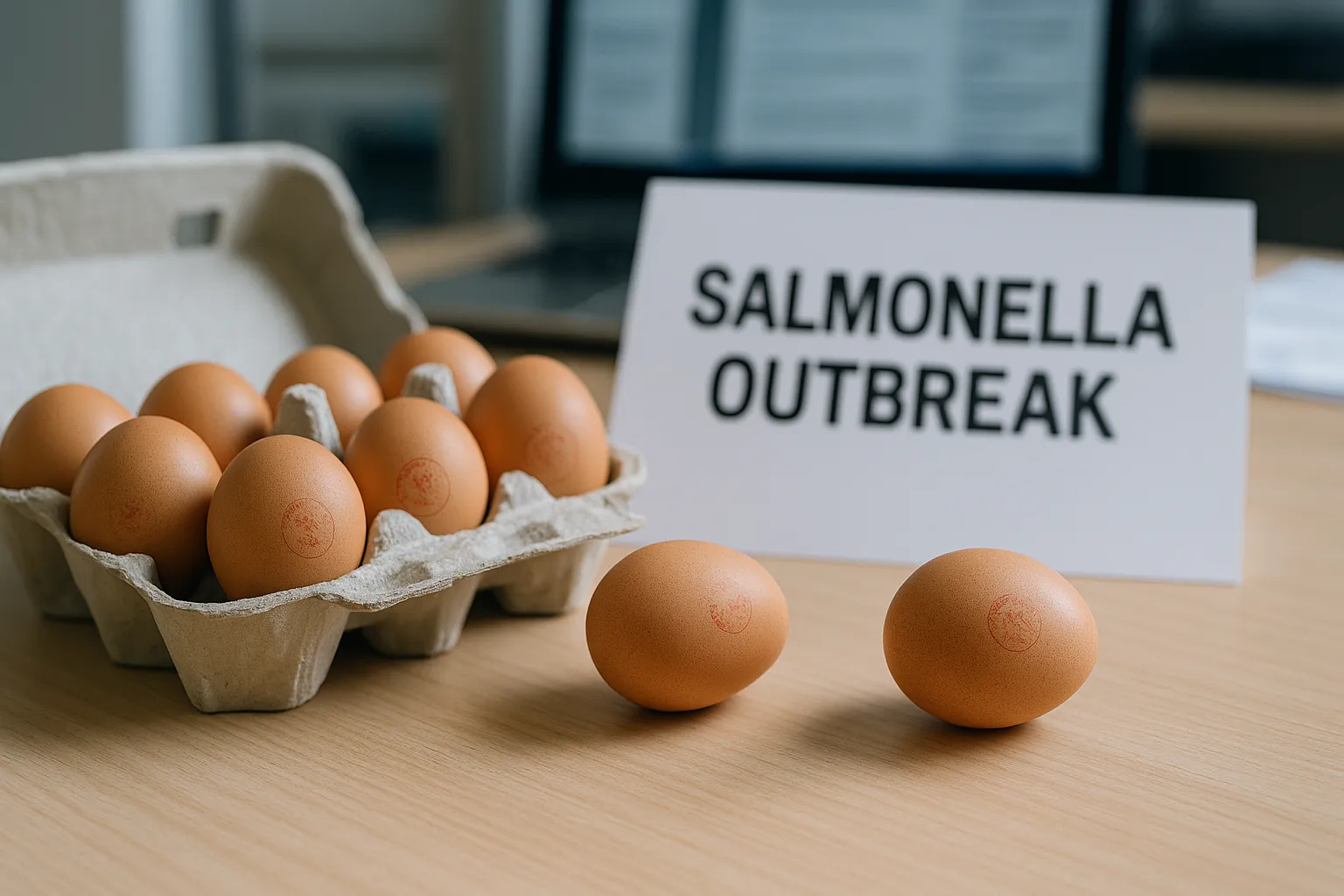
Health authorities in the UK have reported a concerning rise in salmonella infections linked to the consumption of imported eggs. As of now, nearly 500 individuals have been affected, prompting urgent investigations into the outbreak.
Recent data from the UK Health Security Agency (UKHSA) reveals that the number of confirmed cases has surged from 207 to 259 within just a week. With the identification of two additional clusters, the overall tally of reported cases has reached 474, tragically including two fatalities. Notably, some infections trace back to over a year ago, yet the bacteria involved display a strikingly similar genetic makeup, indicating that they may originate from a shared food source.
Health experts indicate that the primary avenue for infections appears to be food eaten outside the home rather than self-cooked meals. Analysis is currently underway as health officials seek to track down the precise sources of contamination.
The salmonella outbreak isn’t limited to the UK – reports of similar cases have emerged in several other countries across Europe. The latest figures reveal isolated instances in Austria (2 cases), Belgium (15 cases), Denmark (1 case), France (4 cases), Germany (6 cases), and the Netherlands, which has reported 106 cases. Investigators in the Netherlands are exploring a possible link to chicken meat rather than eggs, adding another layer of complexity to the situation.
Salmonella can originate from various food sources, including raw or inadequately cooked poultry, meats, and eggs. The UK outbreak encompasses several genetic clusters of the bacteria, specifically classified as t5.9411, t0.24068, and t5.9765. The breakdown of confirmed cases is as follows:
– 259 cases with one associated death linked to strain t5.9411
– 138 cases with one death attributed to strain t5.9765
– 177 cases connected to strain t0.24068
The majority of cases have emerged recently, yet health investigations extend back as far as August 2025. Most infections have been reported in England, particularly concentrated in London and the Yorkshire and Humber regions. There have also been a few cases detected in Scotland, Wales, and Northern Ireland.
In light of the outbreak, health officials are advising the public on safety measures to help mitigate the risk of infection. They emphasise the necessity of thoroughly preparing and cooking food, as well as emphasising the importance of appropriate hand hygiene, particularly after using the toilet and before food handling.
Experts recommend purchasing and consuming eggs that carry the British Lion mark or are certified under the Laid in Britain egg assurance scheme. These labels indicate adherence to stringent safety codes, including routine testing and vaccination protocols for hens against salmonella.
Prof Ian Young from the Food Standards Agency has noted the ongoing collaborative efforts with the UKHSA and other partners to investigate this troubling issue. “While the precise causative factors contributing to this outbreak remain unidentified, preliminary findings suggest links to imported eggs. There is currently no evidence to suggest that UK-produced eggs are implicated,” he stated.
The UKHSA reiterated their commitment to follow up on the cases while continuing to investigate any potential common sources that may come to light as enquiries progress.
Individuals experiencing symptoms of salmonella infection, such as stomach cramps, diarrhoea, vomiting, or fever, typically notice changes within 12 to 72 hours after exposure to the bacteria. The UKHSA advises those with health concerns to consult their general practitioner or out of hours medical service as their first step. While most individuals recover without medical assistance, the elderly, infants, and those with compromised immune systems face a higher risk of severe illness.
As this outbreak unfolds, authorities are working diligently to determine the sources and prevent further cases. The emphasis remains on education regarding safe food practices and the importance of sourcing eggs from reputable producers to protect public health.
Our Thoughts
The salmonella outbreak linked to imported eggs underscores critical lapses in food safety regulations and practices. To prevent such incidents, stricter compliance with the Food Safety Act 1990 and the Food Hygiene (England) Regulations 2013 must be enforced, particularly concerning the traceability and safety of imported food products. Authorities should have ensured that all imported eggs underwent rigorous safety testing comparable to the British Lion mark standard, which mandates vaccination and testing of hens. Enhanced monitoring and installation of stricter health controls at import points could have identified potential contamination sources early.
Key lessons include the necessity of maintaining stringent biosecurity measures throughout the food supply chain and the importance of public awareness regarding safe food handling practices. Additionally, maintaining robust communication between local health authorities and food suppliers could facilitate quicker identification of outbreak sources. To mitigate risks, consumers should be encouraged to choose products with verified safety standards, such as the British Lion mark. Continuous education on food safety for both consumers and industry stakeholders is essential to prevent future outbreaks.