
















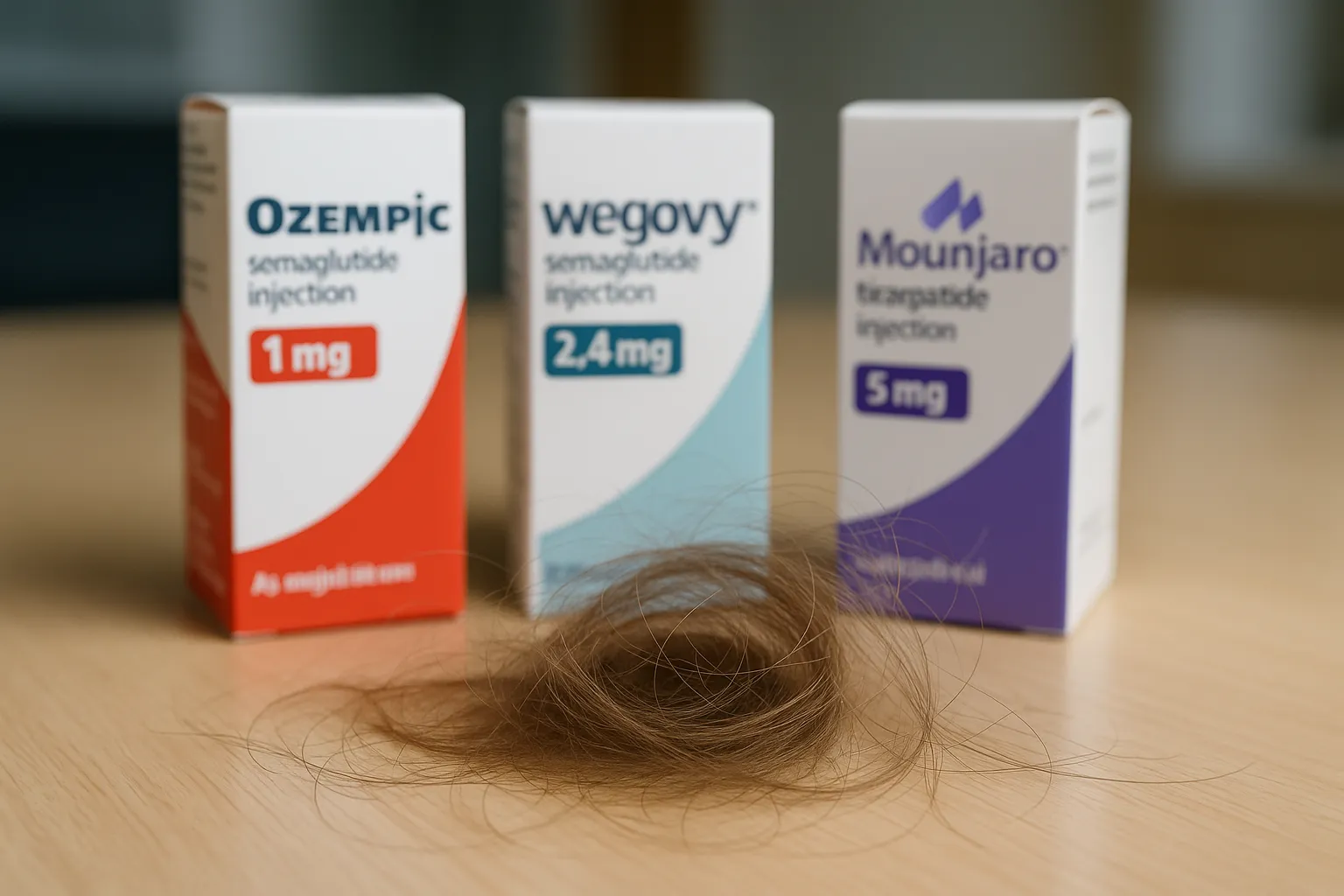
Story Highlight
– New study links GLP-1 medications to hair loss risks.
– Users may face a 37% to 76% higher alopecia risk.
– Rapid weight loss may stress body, affecting hair growth.
– Most reported hair loss cases involve non-scarring alopecia.
– Researchers urge nutritional counseling for GLP-1 users.
Full Story
Research into widely used weight-loss and diabetes medications has raised significant concerns regarding their association with sudden hair loss. Medications known as GLP-1 receptor agonists, which include well-known brands such as Wegovy, Ozempic, and Mounjaro, are at the centre of this issue, with a recent study conducted by the University of Pennsylvania Health System analysing the health records of approximately 50,000 adults. This study bolsters previous safety alerts issued by health authorities in both the UK and the US.
As these medications continue to revolutionise the management of obesity and diabetes, healthcare professionals are advising both patients and medical practitioners to remain vigilant regarding the emergence of non-scarring alopecia—rapid hair loss that can be both distressing and disconcerting for those experiencing it.
**Emergence of New Data on Hair Loss Risk**
Those using medications such as Ozempic, Wegovy, or Mounjaro should be aware of the findings in two recent studies published in The BMJ and JAAD International, which have drawn parallels between these drugs and temporary hair loss incidents.
In conducting the research, analysts at the University of Pennsylvania compared patients diagnosed with Type 2 diabetes who were receiving GLP-1 receptor agonists with individuals on alternative diabetes treatments, taking into account variables including age and body weight. The results were revealing: users of GLP-1 drugs faced a 37% increased risk of experiencing hair loss compared to their counterparts taking SGLT-2 inhibitors, and a staggering 68% increase compared to those on DPP-4 inhibitors.
It is essential to note, however, that the study does not definitively claim that medications such as Wegovy or Mounjaro cause hair loss in every patient. The focus on individuals suffering from Type 2 diabetes indicates that the findings might not be fully applicable to all users of these medications who may simply be looking to lose weight. Nonetheless, the substantial scope of this study emphasizes growing concerns noted in earlier safety reports.
**Understanding Potential Causes of Hair Loss**
The researchers proposed a compelling theory regarding the mechanisms at play. They suggest that the connection between GLP-1 usage and hair loss may be attributed to swift weight reduction and decreased caloric intake. Such rapid changes can exert physiological pressure on the body, while significant cuts in calorie consumption could also lead to a deficit of essential nutrients necessary for maintaining healthy hair growth.
Specific deficiencies identified included iron, zinc, and biotin, which are crucial to the body’s hair growth processes. The proposed sequence of events is straightforward: an individual takes a GLP-1 medication, their hunger diminishes, they consume fewer calories, and consequently, they shed weight rapidly. If this pattern results in reduced intake of key vitamins and minerals, the normal cycle of hair growth may be disrupted.
While this does not imply that drugs like Wegovy or Mounjaro directly ‘starve’ hair follicles, researchers are exploring whether rapid fluctuations in body weight and nutrition could be contributing factors in hair shedding. They further emphasized the necessity for additional research to clarify these relationships.
**Regulatory Scrutiny Intensifies**
The investigation comes at a time when regulatory bodies are actively receiving increased reports of hair loss linked to GLP-1 medications. The US Food and Drug Administration (FDA) is currently evaluating these reports for potential safety signals. Researchers have also referenced various case studies and data analyses from the FDA’s Adverse Event Reporting System, especially concerning medications containing the active ingredient semaglutide found in Wegovy and Ozempic, along with tirzepatide in Mounjaro.
In the UK, the Medicines and Healthcare products Regulatory Agency (MHRA) reported 399 incidents of hair loss connected with tirzepatide in 2026 so far, down from 541 in 2025. The Agency also logged 148 instances of hair loss related to semaglutide, compared to 164 the previous year. Importantly, these numbers do not establish a direct causation but serve as triggers for further investigation; hair loss can arise from various causes. However, the increase in reports alongside fresh research findings is likely to maintain scrutiny surrounding these medications.
**Reassurances on Hair Regrowth Potential**
A silver lining in the study findings is that the association with hair loss appears to be connected to non-scarring alopecia, indicating that hair follicles remain intact and are not irreparably damaged. This suggests that regrowth is possible, providing some comfort to those worried about their appearance.
As hair loss can deeply affect self-esteem and overall quality of life, especially for those using these medications to alter their physical appearance, even temporary shedding can be significantly distressing. The experience of finding more hair on a brush or in the shower might lead many to question their treatment.
**Addressing User Concerns Around GLP-1 Medications**
The growing popularity of drugs like Wegovy and Mounjaro renders the discussions about potential side effects such as hair loss increasingly pertinent. Current evidence points towards a complex interplay rather than a straightforward link; factors such as swift weight loss, less caloric intake, nutrient deficiencies, and hormonal fluctuations associated with GLP-1 receptor agonists all merit consideration.
Ultimately, the implications of these findings compel medical professionals to advocate for proactive nutritional assessments, ensuring patients maintain a balanced intake of essential micronutrients. Clear communication with healthcare providers remains fundamental as users of GLP-1 medications navigate these concerns so they can optimise health outcomes while addressing cosmetic challenges.
Our Thoughts
Key safety lessons from the reported issues associated with GLP-1 receptor agonists include the importance of informed patient monitoring and nutritional support. To mitigate risks such as non-scarring alopecia, healthcare providers should incorporate thorough nutritional assessments and counsel patients on potential deficiencies during treatment.
Relevant UK regulations, including the Medicines Act 1968 and the General Data Protection Regulation (GDPR), highlight the need for healthcare professionals to report adverse reactions and manage patient data responsibly. Detailed tracking of side effects, such as hair loss, could inform better prescribing practices and risk management strategies.
Healthcare professionals should maintain ongoing communication with patients regarding the therapeutic effects and potential side effects of these medications. Additionally, regulatory bodies like the Medicines and Healthcare products Regulatory Agency (MHRA) should enhance vigilance regarding adverse event reporting to better understand the long-term implications of GLP-1 medications.
Preventative strategies could include pre-treatment nutritional evaluations and the establishment of a protocol for post-treatment follow-up to monitor any adverse effects, ensuring that rapid weight loss does not lead to nutritional deficiencies that could disrupt physiological functions such as hair growth.