
















Story Highlight
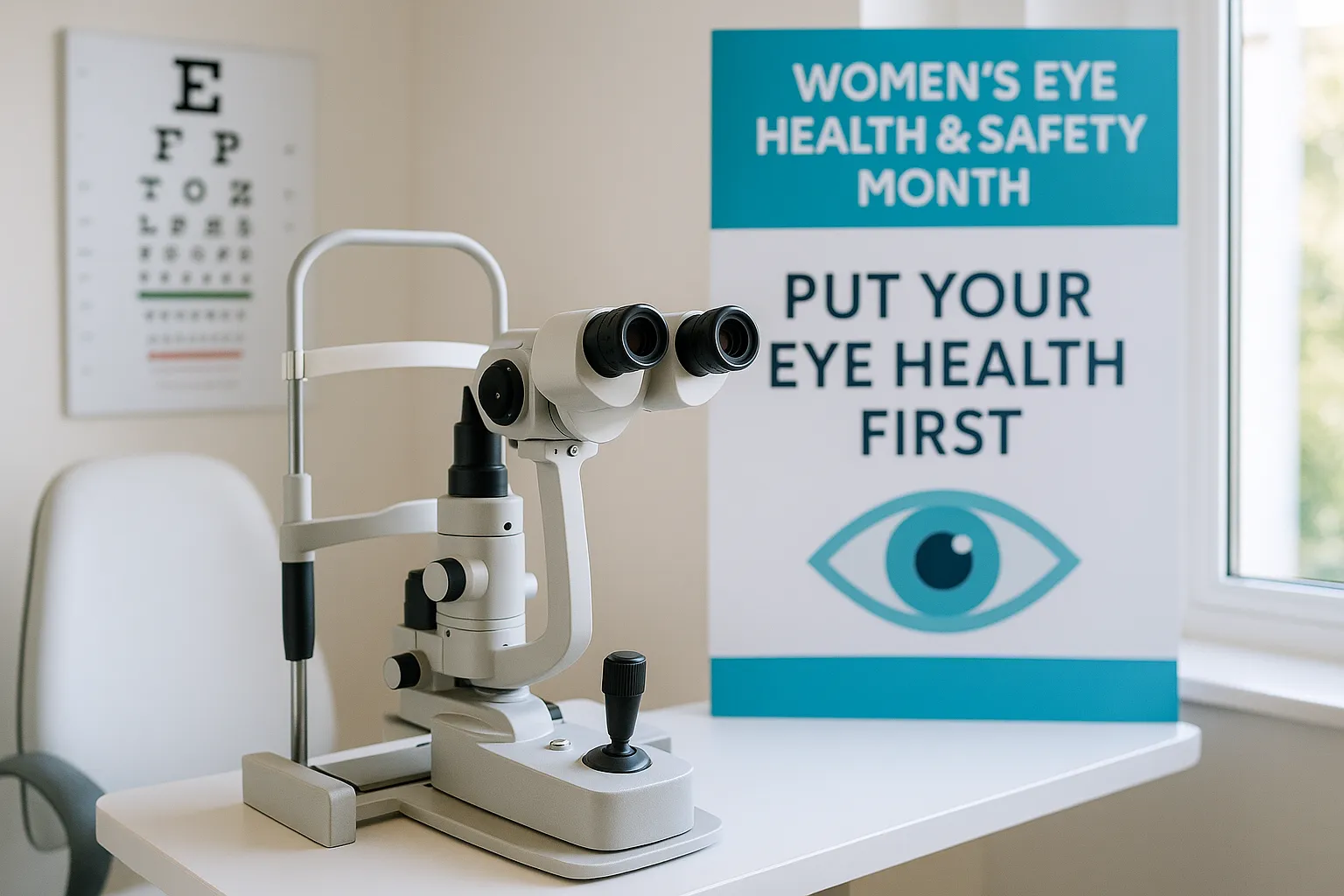
– Newmedica Hampshire supports Women’s Eye Health and Safety Month.
– Encourages over-60 women to seek timely eye treatment.
– Timely cataract treatment greatly improves vision quality.
– Cataract surgery is quick, safe, and effective.
– 3.5 million UK citizens currently suffer from cataracts.
Full Story
Women’s Eye Health and Safety Month is a crucial initiative aimed at raising awareness about eye health, particularly for women over the age of 60, who often experience increased risks of common eye conditions. Newmedica Hampshire has taken proactive steps to support this campaign by urging women to prioritise their eye health and seek timely medical intervention for cataracts and other eyesight issues.
Chris Berry, the registered manager at Newmedica Hampshire, emphasised the importance of prompt access to treatment. He stated, “Here in Hampshire, we’re seeing first-hand the difference that timely access to treatment can make.” This assertion highlights the transformative effects that early medical attention can have on individuals suffering from vision impairments.
Despite the effectiveness of surgical interventions such as cataract surgery, a significant number of individuals are resigned to living with suboptimal vision for an extended period. Berry pointed out, “Cataract surgery is quick, safe and highly effective, yet too many people are living with poor vision longer than they need to.” This sentiment is echoed in various studies demonstrating the relationship between timely treatment and improved quality of life.
As part of their campaign, Newmedica Hampshire is calling on women to take proactive measures regarding their eye health. Berry encouraged them by stating, “This Women’s Eye Health and Safety Month, we’re encouraging women to put their eye health first.” He underscored that if individuals have observed any changes in their eyesight, they should not delay seeking evaluation and care. A simple assessment could lead to significant improvements in everyday life, enhancing both vision clarity and overall well-being.
Cataracts remain a leading cause of vision impairment worldwide, with current estimates indicating that around 3.5 million people in the United Kingdom are living with this condition, as reported by the London Cataract Centre. The condition occurs when the lens of the eye becomes cloudy, leading to a decline in visual acuity. While cataracts can affect anyone, their prevalence tends to increase with age, making awareness and timely intervention critical for older populations.
The process of cataract surgery itself is relatively straightforward. It typically lasts between 10 and 20 minutes and is performed under local anaesthetic, allowing patients to remain awake during the procedure. During surgery, the cloudy lens is removed and replaced with a clear artificial lens. This minimally invasive operation is performed frequently, with patients often returning home the same day, which is another aspect that underscores its accessibility and efficacy.
After undergoing cataract surgery, many individuals report remarkable improvements in their vision. The effects can be life-changing, providing sharper and brighter eyesight, as well as enhancing colour perception. This drastic change can foster greater independence and a higher quality of life.
In addition to advocating for cataract treatments, Newmedica Hampshire’s initiative also aims to encourage women to remain vigilant regarding other eye health issues not exclusive to cataracts. Conditions such as glaucoma, age-related macular degeneration, and diabetic eye disease also require attention and early diagnosis. Regular eye examinations are vital to catch these issues before they develop into more serious complications.
Local health experts echo the sentiments shared by Berry at Newmedica Hampshire. Dr. Laura Mitchell, an ophthalmologist based in Winchester, commented on the significance of awareness campaigns, stating, “Education about eye health can empower women to take charge of their well-being and seek necessary treatments without delay.” She further noted that preventative measures, like regular eye check-ups, play a critical role in maintaining eye health as individuals age.
The message of prioritising eye health is particularly pertinent for women, who often shoulder multiple responsibilities, sometimes at the cost of their own health. As caregivers or busy professionals, women may inadvertently neglect their eye care. Community outreach programmes are integral to combatting this trend, and initiatives like Women’s Eye Health and Safety Month serve as timely reminders for women to focus on their own health needs.
Newmedica Hampshire’s campaign is a significant step in ensuring that women are not only informed about eye health but also encouraged to take action. As the month progresses, local clinics and hospitals are likely to witness an uptick in women seeking assessments and treatment. This surge in awareness can lead to sustained change, reducing the number of individuals living with impaired vision.
In conclusion, this year’s Women’s Eye Health and Safety Month should serve as both a wake-up call and an opportunity for women to advocate for their own health. With accessible treatment options and professionals ready to help, the focus now shifts to the women themselves, encouraging them to prioritise eye care and commit to regular check-ups. Newmedica Hampshire’s efforts to promote this awareness are commendable, as they strive to make a lasting difference in the lives of women throughout the region.
Our Thoughts
The article primarily focuses on promoting awareness of eye health among women, particularly regarding timely cataract treatment. While there are no direct incidents or breaches of health and safety regulations mentioned, several key safety lessons can be derived to enhance patient safety and care accessibility.
Firstly, increased awareness campaigns should include information on the importance of regular eye check-ups, especially for older populations. This aligns with the Health and Safety at Work Act 1974, which mandates proactive risk management to protect vulnerable groups.
Secondly, there should be streamlined communication between healthcare providers and patients regarding the symptoms and urgency of seeking treatment for eye conditions. Better patient education can prevent delays in treatment, aligning with the Care Quality Commission’s guidelines on patient safety.
Additionally, maintaining adequate resources and staffing in healthcare settings ensures timely access to necessary surgical interventions, reducing the risk of complications associated with untreated cataracts.
In conclusion, promoting timely assessment and treatment, along with ensuring robust communication and healthcare infrastructure, can significantly reduce the risk of deteriorating eye health among older women.