







Story Highlight
– FreshWipes Intimate Wipes recalled for health risks.
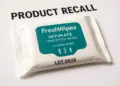
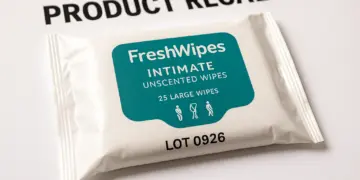
– Affected LOT numbers: 0926 and 0515.
– Potential microbiological contamination may cause skin reactions.
– Customers urged to stop using wipes immediately.
– Contact retailers for returns and refunds.
Full Story
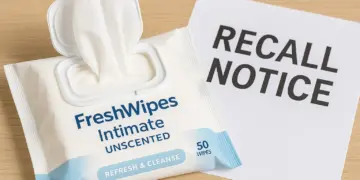
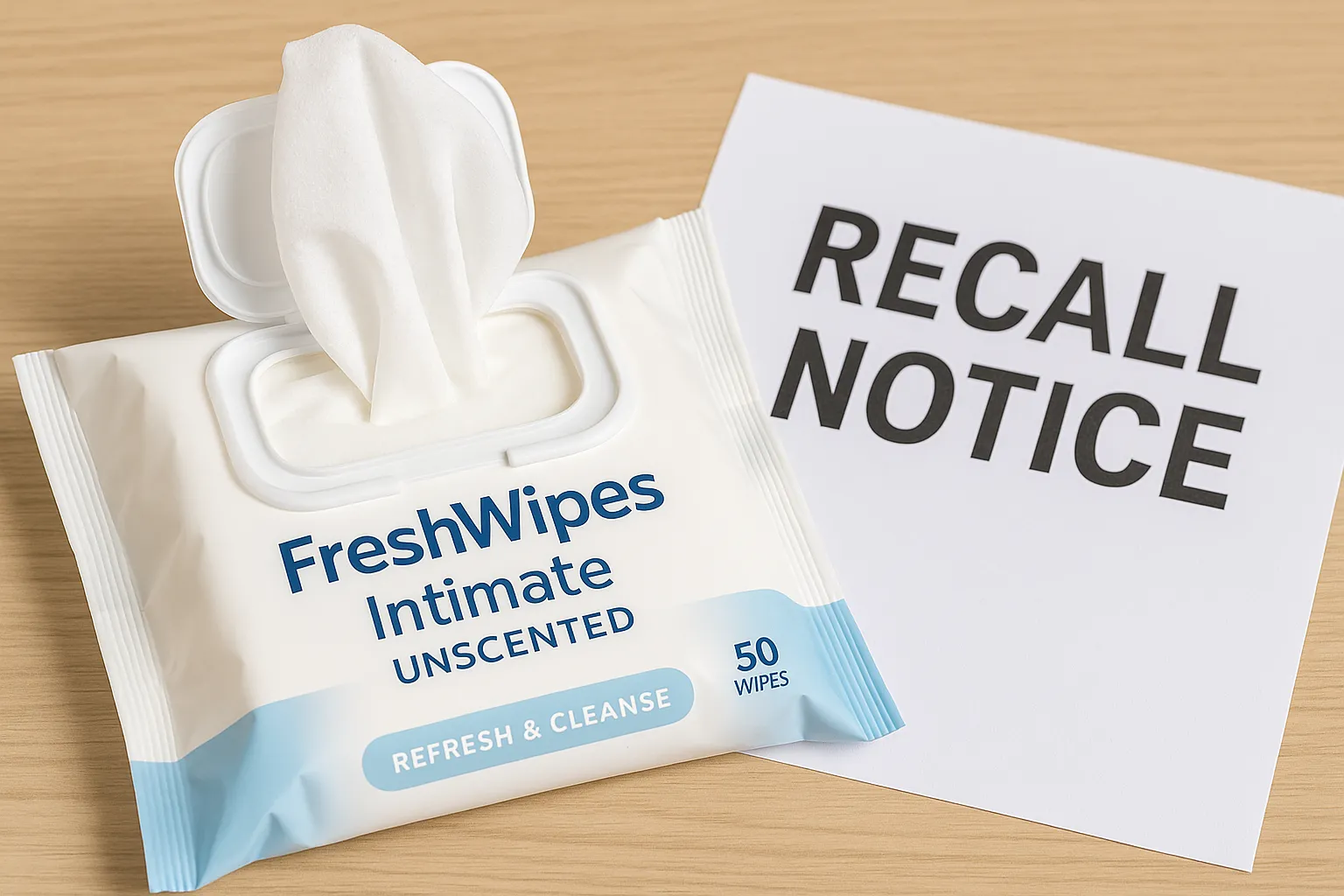
A widely recognised brand of wet wipes has initiated a recall following concerns over a potential health threat. Consumers who have bought FreshWipes Intimate Unscented Wipes are advised to stop using the product without delay, as there is a risk of microbiological contamination.
The specific batches involved in this recall have been identified by their LOT numbers: 0926 and 0515. These products were available for purchase through a range of channels, including the FreshWipes website, Amazon UK, TG Jones (which previously operated as WH Smith), the TikTok Shop, and QVC.
In a statement, FreshWipes commented, “This recall is being carried out as a precautionary measure. No other Freshwipes products are affected.” To determine whether the wipes in one’s possession are part of the recall, customers should examine the batch number located on the back of the packaging. Any wipes marked with the aforementioned LOT numbers are included in this recall.
Consumers are strongly advised to take immediate action if they are in possession of the affected wipes. FreshWipes has instructed individuals to cease using the product right away. Those who have purchased the recalled wipes are encouraged to contact customer support at Sales@freshwipes.co.uk, providing a photo of the remaining packs that clearly shows the relevant LOT number. FreshWipes has expressed regret for any inconvenience this situation may cause and reassured the public of its commitment to product safety and quality standards.
The recall was prompted after the company identified that the affected batches did not conform to their quality benchmarks. Users who have experienced discomfort or unexpected skin reactions after using the affected wipes are encouraged to stop using the product and seek medical advice as necessary.
If the wipes were bought through Amazon, QVC or TG Jones, consumers should directly reach out to those retailers for further assistance. In conjunction with the company’s recall, the Office for Product Safety and Standards (OPSS) has also issued its own notice regarding the potentially harmful products.
The OPSS stated, “It has been identified that affected batches may be microbiologically contaminated, with the preservative system not performing as required. This could result in users experiencing adverse skin reactions.” They further emphasised the urgency for consumers to refrain from using the affected wipes and to contact the retailer for further details on safely returning or disposing of the product, as well as instructions on obtaining a refund or compensation.
Such product recall notices serve as a critical channel for manufacturers to inform the public about potential hazards associated with certain consumer goods. The aim is to protect public health and safety by urging consumers to take necessary actions in light of identified risks.
Brand recalls of this nature can create caution among consumers, particularly in light of the growing reliance on personal hygiene products. The announcement serves as a reminder of the importance of product safety standards as well as consumer awareness. It is essential for individuals to keep themselves informed and vigilant regarding the products they use in their daily lives.
As this situation continues to develop, further updates may arise from both FreshWipes and regulatory bodies such as the OPSS as they monitor the impact of this recall on public health.
Our Thoughts
The recall of FreshWipes Intimate Unscented Wipes highlights several key areas where health and safety measures could have been enhanced. Firstly, more stringent quality control processes should have been implemented to ensure that products meet microbiological safety standards before distribution, in compliance with the Consumer Protection Act 1987. Additionally, the Hazard Analysis and Critical Control Points (HACCP) principles could have been adopted to identify potential contamination risks in the manufacturing process.
The lack of adequate quality assurance reflects a breach of the product safety regulations under the General Product Safety Regulations 2005. Companies must ensure that products are safe for use and comply with set standards; failing to do so endangers consumers.
To prevent similar incidents in the future, manufacturers should conduct regular testing of their products and ensure comprehensive training for employees on safety protocols. Enhanced communication strategies regarding recalls could facilitate quicker awareness and remedial action among consumers, ultimately fostering a culture of safety and accountability in consumer goods.