
















Story Highlight
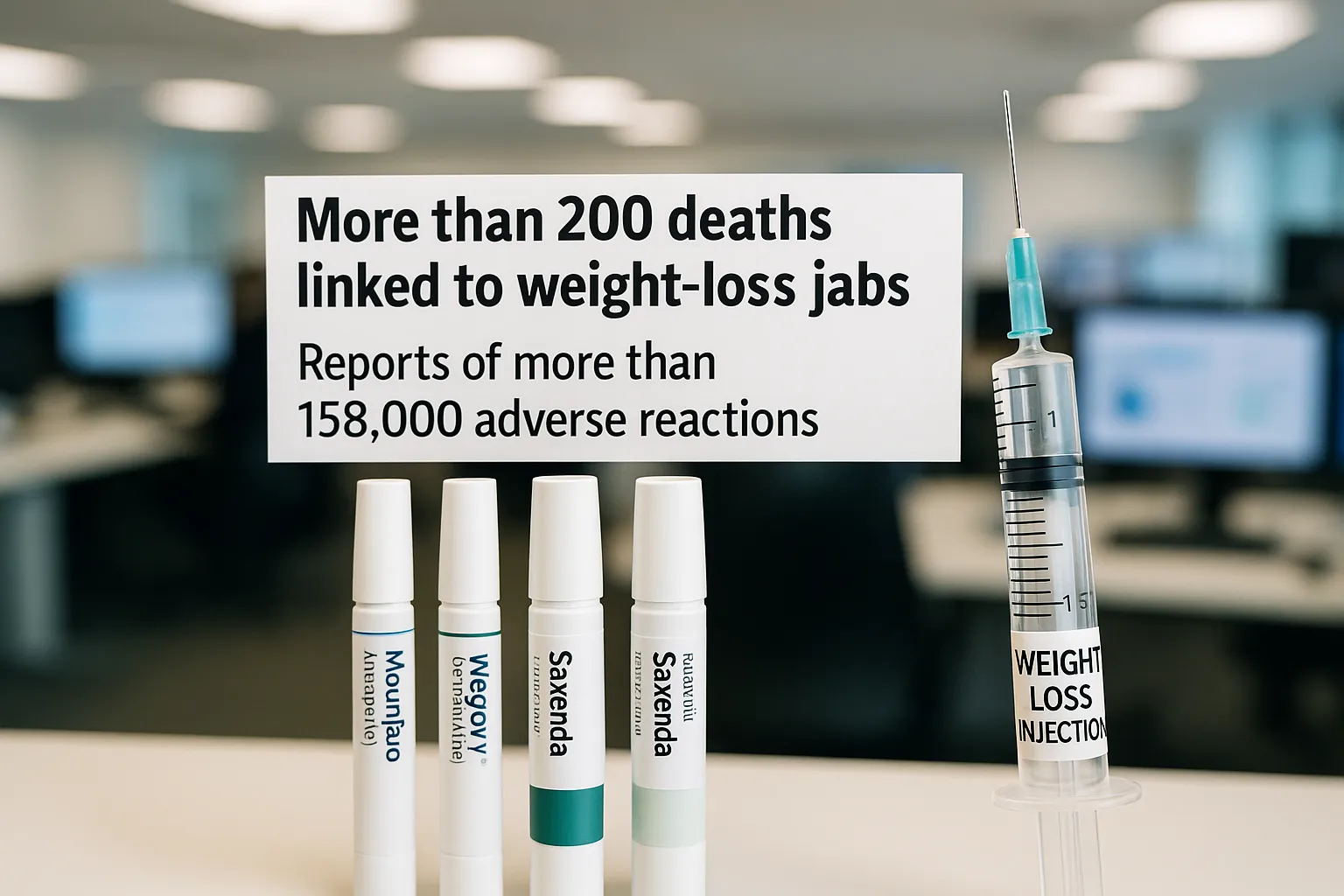
– Over 200 suspected deaths linked to weight-loss jabs.
– More than 158,000 adverse reactions reported to regulators.
– Tirzepatide linked to 120 deaths and 106,189 reactions.
– Semaglutide associated with 59 deaths and 48,089 reactions.
– Liraglutide linked to 37 deaths and 4,491 reactions.
Full Story
Health authorities in the UK are currently investigating a troubling surge in reports related to adverse reactions to weight-loss medications, with over 200 deaths suspected to be linked to these treatments. New data indicates that more than 158,000 adverse reactions have been logged by regulators, raising concerns over the safety of these increasingly popular drugs.
The Medicines and Healthcare Products Regulatory Agency (MHRA) operates the Yellow Card Scheme, which allows individuals to report any suspected side effects from medications. Analysis of this data shows that tirzepatide, marketed under the name Mounjaro, has accumulated 106,189 reports of adverse reactions, which include a range of gastrointestinal issues. Alarmingly, there have also been 120 fatalities suspected to be connected to this medication.
In addition, semaglutide, the active ingredient in the weight-loss drug Wegovy, has been associated with 48,089 adverse reactions and 59 deaths. Semaglutide is not only used for weight management but also forms the basis of diabetes medications such as Ozempic and Rybelsus.
Liraglutide, which is sold as Saxenda for weight loss, is similarly under scrutiny, with 4,491 adverse reactions and 37 suspected deaths reported. It is noteworthy that this medication is also available under different branding for diabetes treatment.
While these figures may appear alarming, the MHRA has noted that reports of adverse reactions do not automatically imply causation between the medication and the reported incident. The regulator clarified the context of such data, highlighting that various factors, including the rise in prescriptions and increased public awareness of potential side effects, could influence reporting rates.
An MHRA representative stated: “It is essential to interpret these reports alongside the millions of GLP-1 prescriptions written in the UK. The volumes of reports can be altered by increased usage, heightened public awareness, and other factors.”
Continual safety assessments are standard for GLP-1 receptor agonists, including the analysis of new evidence from scientific studies and spontaneous reports. Any new safety information is quickly communicated to both patients and healthcare professionals, who can then take necessary actions to mitigate identified risks.
Health Secretary Yvette Cooper addressed these concerns during a recent appearance on LBC Radio, underscoring the structured health safety regulations in the UK. She reassured the public that there exists a comprehensive monitoring system for adverse health impacts that is adept at collating reports.
“We have a whole system of health safety regulations in place where experts will do monitoring of any adverse impacts, of any safety reports, any concerns that are raised,” she explained. “The good thing about the fact that we have a National Health Service means that all of those reports can be collected together – all of them can be monitored.”
Cooper emphasised the importance of transparency, stating that any significant issues identified through monitoring are communicated not only to the health ministers but also to the public, reinforcing the government’s commitment to patient safety.
The rise of GLP-1 medications has been heralded by many as a breakthrough in the management of obesity and related health conditions. However, the growing number of adverse reaction reports calls for careful consideration of their risks alongside their benefits.
Experts in the field recommend that patients considering these medications should consult their healthcare providers to discuss both the potential advantages and risks associated with their use. It is crucial for individuals to be heard, and to have their concerns taken seriously, particularly when it comes to powerful medications that can impact health profoundly.
Analysing the data surrounding the benefits versus the risks of such medications remains a complex and ongoing task. The safety and efficacy of drugs like tirzepatide and semaglutide will continue to be under review as further information comes to light. For now, health professionals encourage vigilance and prompt reporting of any adverse events to ensure ongoing safety in weight-loss treatment options.
In light of these findings, ongoing discussions around the regulation and monitoring of new drugs are expected to intensify, as policymakers strive to maintain the safety and trust of the public in medicinal choices. The situation underlines the necessity for continuous evaluation as the medical community adapts to new treatments and their implications for public health. As health officials continue to investigate these alarming trends, the priority remains clear: ensuring patient safety above all else.
Our Thoughts
To avoid the adverse reactions and fatalities linked to the weight-loss jabs, key actions could include more stringent pre-market assessments of drug safety, alongside post-marketing surveillance that aligns rigorously with the UK’s Medicines and Healthcare products Regulatory Agency (MHRA) guidelines. Enhanced communication about potential risks and side effects is essential, which must be clear and accessible to both healthcare professionals and patients.
The incident highlights the importance of following the Health and Safety at Work Act 1974, which mandates the assessment of risks associated with medical treatments. A breach of the General Product Safety Regulations 2005 may also have occurred if sufficient evaluations or monitoring mechanisms were not firmly established for these medications.
To prevent similar incidents, it is crucial to implement a more robust pharmacovigilance system that prioritizes adverse event reporting and response strategies. Additionally, improving public awareness about the Yellow Card Scheme could facilitate quicker reporting and analysis of adverse reactions, ensuring prompt regulatory action and patient safety.