















Story Highlight
– Ten people drowned during the hot Bank Holiday weekend.
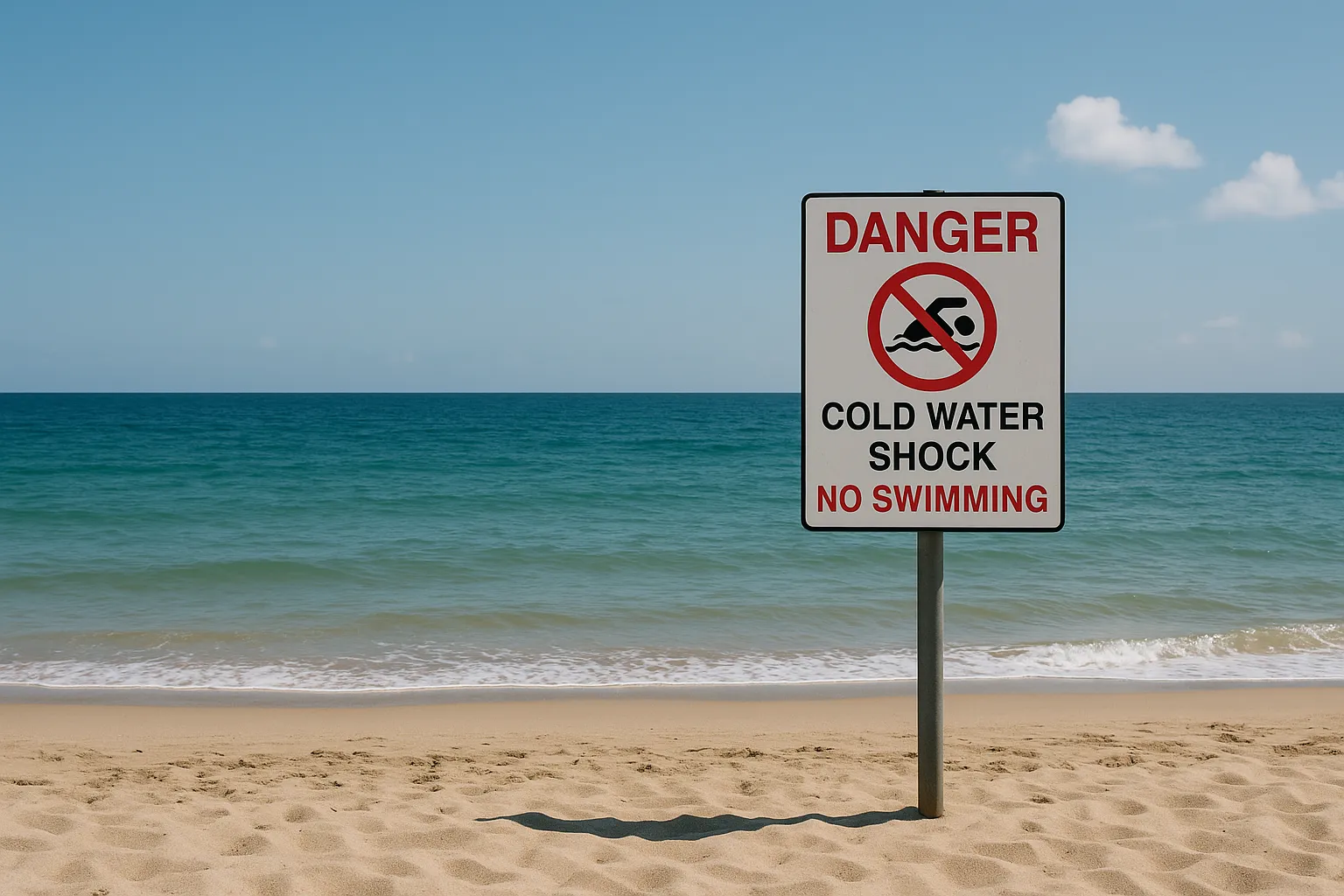
– Cold water shock poses serious risk to swimmers.
– Average sea temperature in the UK is only 12C.
– RNLI urges water safety awareness, especially for children.
– Most water-related fatalities occur in rivers and lakes.
Full Story
Britons have received urgent warnings about the risks of swimming during the recent hot spell after a series of tragic drownings occurred over the Bank Holiday weekend. Instances of drowning have unfortunately revealed a common misconception: many people mistakenly believe that warm air temperatures correlate with warm water conditions, leading to dangerous situations, including cold water shock.
Despite air temperatures soaring to 36°C, the average sea temperature around the UK remains a chilly 12°C, even during the summer months. Tragically, ten individuals lost their lives in various incidents associated with open water swimming during this period of record heat, with the most recent case involving a teenager in Swanscombe, Kent.
Among those who drowned were 15-year-old Declan Sawyer at Swanholme Lakes in Lincoln and 12-year-old Junior Slater from Clayton le Wood, who died in the River Ribble. A 13-year-old boy, identified as Reco Puttock, also tragically perished at Leadbeater Dam. Furthermore, the bodies of three teenagers were recovered from locations including Rother Valley Country Park and Hawley Lake, highlighting the severe dangers presented by swimming in open waters.
The Royal National Lifeboat Institution (RNLI) has highlighted the chilling reality that cold water shock poses a significant risk. “While the air temperature is warm, the seas are still cold, and cold water shock remains a very real risk,” a spokesperson for the RNLI stated. As many young people enjoy time off during school holidays, the charity has stressed the importance of water safety.
Entering cold water can have hazardous effects that are often underestimated. According to the RNLI, cold water shock can lead to constricted blood vessels, increased heart rate, and elevated blood pressure, placing additional strain on the heart. Alarmingly, even young and healthy individuals can suffer heart attacks due to cold water shock.
The physiological response to cold water immersion can evoke uncontrollable changes in breathing patterns, sometimes increasing by as much as tenfold, which raises the likelihood of inhalation of water into the lungs. The RNLI warns that just half a pint of water entering the lungs can lead to drowning.
Data indicates that hot weather conditions can dramatically increase drowning incidents by approximately 70%. Last year, the National Water Safety Forum recorded 202 accidental drowning fatalities. August accounted for the highest number with 31 deaths, followed by June and July, each with 27 incidents. The majority of drowning deaths occurred in inland waterways, including rivers, lakes, and canals, which resulted in 57% of fatalities. Alarmingly, a significant majority of drowning victims are male, comprising 85% of the total.
Professor Mike Tipton, chair of the National Water Safety Forum, has previously noted that over half of cold water-related deaths happen within the first few minutes of entering the water. He observed that while hypothermia typically develops over extended periods in cold water, the immediate shock of immersion can be deadly. He cautioned that drowning can also occur hours after leaving the water, particularly when rescue efforts are attempted.
In the wake of his son Declan’s untimely death, Carl Sawyer has called on parents to take water safety seriously. Describing Declan as a vibrant teenager with a passion for football and fishing, Carl expressed his devastation and urged families to educate their children about the hazards associated with water. “Please can all parents, friends and family make their children aware of the dangers surrounding water,” he said.
For those planning to swim, the RNLI has recommended several safety measures. They urge swimmers to wear flotation devices, which significantly improve chances of survival in the event of cold water shock. It is also crucial to check conditions and understand water temperatures before entering the sea, with the Met Office providing surf reports for accurate information. Swimmers are advised to wear wetsuits of suitable thickness based on anticipated exposure to water and activities planned.
Moreover, excessive heat can pose health risks beyond water safety, necessitating precautions such as staying hydrated and taking frequent breaks from direct sunlight. The UK Health Security Agency has issued amber heat alerts across regions including the South West, South East, and parts of London and the Midlands, alongside yellow heat-health alerts for the North West and North East.
In response to ongoing safety concerns, the National Water Safety Forum has launched the “Phone Float Throw” campaign. This public safety initiative encourages individuals to call for help at 999 if they witness someone in distress in the water, advise the person to float on their back, and to throw floating aids to assist them while waiting for rescue.
The RNLI has reiterated critical water safety advice for anyone who may encounter difficulties while swimming. In such situations, individuals should resist the impulse to flail around. Instead, they should lean back, extend their limbs, and remain calm until they regain control of their breathing. Only once they feel stable should they seek help or swim towards safety.
In conclusion, the heartbreaking incidents of recent drownings underline the importance of education and precaution around water safety, especially during peak swimming seasons. The RNLI’s ongoing efforts aim to save lives and foster a culture of safety and awareness among young swimmers and their families.
Our Thoughts
To prevent the recent tragic drownings during the hot weather, several key safety measures could have been implemented. Firstly, increased public awareness campaigns focusing on the dangers of swimming in cold water, particularly for children and teens, are crucial. This aligns with the UK Health and Safety at Work Act 1974, which mandates that employers and organizations provide adequate information, instruction, and training on safety.
Secondly, local authorities should ensure the availability of warning signs at lakes and rivers regarding cold water shock and the risks of swimming in these areas. This falls under the Management of Health and Safety at Work Regulations 1999, which require risk assessments and mitigation measures for public safety.
Regular safety sessions and educational programs on water safety could also be offered in schools, addressing misconceptions about water temperatures. Reinforcing the Royal National Lifeboat Institution’s advice regarding flotation devices and proper attire for water activities is essential.
Finally, stricter enforcement of access regulations to dangerous swimming areas, particularly during high-risk periods like hot weather, would help minimize accidents. Improving public understanding of aquatic environments could significantly reduce similar incidents in the future.