

















Story Highlight
– UK aims for 400,000 green jobs by 2030.
– Oxford Union president faces no-confidence over leaked messages.
– Experts warn of ethical issues with AI resurrection.
– Prince Andrew’s title exit raises strategic questions.
– OpenAI’s 18+ ChatGPT policy opens new market risks.
Full Story
**Skills Gap Reality Check: Can the UK Achieve 400,000 Green Jobs by 2030?**
The UK government has made a significant commitment towards a greener future, aiming to create 400,000 new green jobs by the year 2030. However, industry experts and trade unions are sounding alarms over potential hurdles that could hinder this ambitious target. The prevailing concerns centre around a lack of qualified trainers, insufficient facilities, and inadequate funding, all of which could seriously obstruct the transition to a clean-energy workforce.
As the nation escalates its efforts to combat climate change, the race for net zero emissions by the end of the decade has placed immense pressure on various sectors. Government officials assert that these green jobs are crucial not only for environmental sustainability but also for economic recovery and job creation in the wake of the pandemic. The strategy outlines opportunities spanning from renewable energy production to electric vehicle manufacturing, signalling a substantial shift within the UK’s economy.
However, trade unions have expressed scepticism about the workforce’s ability to meet this goal. They argue that while the demand for green jobs rises, the supply of trained individuals ready to step into these roles is stagnant. The National Education Union has highlighted the urgent need for investment in training programmes and educational facilities that can equip individuals with the necessary skills to thrive in this evolving job market.
The skills gap is further complicated by the rapid pace of technological advancements. Many potential workers are unfamiliar with the tools and technologies that define green job roles, which places a significant burden on employers to invest in training from scratch. The construction industry, for example, has raised concerns about finding enough qualified personnel to meet the growing demand for energy-efficient building practices.
The government plans to tackle these challenges by establishing partnerships with educational institutions and businesses to enhance training programmes. Initiative programmes are being proposed to inspire young people to enter the green workforce, with a focus on engaging communities historically underrepresented in renewable energy sectors. However, many critics remain hesitant regarding the feasibility of these plans, emphasising the need for swift action and robust funding mechanisms.
Additionally, experts warn that reliance on existing frameworks and funding allocations may prove ineffective. Unions have called for a significant increase in government investment, not only in training but also in research and infrastructure that supports the green economy. The need for a dedicated fund to support the transition has been underscored, ensuring that aspiring green workers are not left stranded by insufficient resources.
While the vision for a greener workforce is bold, the practicalities of implementation remain fraught with challenges. As discussions about the future of work continue, the emphasis remains on collaborative effort across sectors, involving government, educational institutions, and private enterprises to cultivate an environment conducive to sustainable job growth.
—
**Digital Outrage and A Free Speech Conundrum: The Oxford Union Imbroglio**
A recent incident involving George Abaraonye, the president-elect of the Oxford Union, has ignited a fierce debate around free speech, responsibility, and the risks associated with digital communication. Abaraonye is facing a no-confidence vote in the wake of leaked WhatsApp messages that appeared to express celebration over the death of conservative figure Charlie Kirk. This unsettling revelation has sent shockwaves through the institution, prompting inquiries from various stakeholders regarding the boundaries of free speech and the implications of digital discourse.
The leaked messages have not only generated public outrage but also drawn criticism from various quarters, with many calling into question the leadership qualities necessary for a role as prominent as the Oxford Union presidency. Abaraonye’s potential removal is now being discussed amidst broader conversations about accountability in online communications, especially within university settings where high standards of conduct are expected.
The timing of this controversy is particularly notable, as it comes at a moment when universities around the UK are grappling with issues related to speakership and the balance between free expression and responsible discourse. Reactions to the leaked messages illustrate a growing tension over how social media can impact reputations and lead to real-world consequences.
Moreover, the incident has prompted reflections on the nature of digital communications, including whether messages intended for private conversations should be subject to public scrutiny. University officials have said that discussions around the incident will contribute to a wider examination of policies concerning conduct, accountability, and the principles underlying free speech.
In light of these events, experts in ethics and communication are urging a nuanced approach to the discourse surrounding free expression, emphasising the necessity for clear policies that delineate acceptable behaviour without stifling critical debate or expression. The Oxford Union incident serves as a pivotal moment in the ongoing dialogue about how institutions can navigate the complexities of digital interactions in a way that upholds the ideals of both free speech and integrity.
As Abaraonye prepares for the impending vote, all eyes will undoubtedly be on the Oxford Union, where the outcome could not only affect the immediate leadership but also set a precedent for how universities manage free speech challenges in the age of digital communication.
—
**Identifying Ethical Challenges: The Case of AI and Digital Resurrection**
In the wake of OpenAI’s recent decision to pause the production of AI-generated videos of civil rights leader Martin Luther King Jr., a growing discourse has emerged surrounding the ethical implications of artificial intelligence in recreating historical figures. As AI technology advances, experts have highlighted concerns about the potential for digital resurrection to disproportionately affect notable individuals while leaving lesser-known figures vulnerable to exploitation.
The discussion has been amplified by the rapid integration of AI into everyday life, where the line between reality and simulation becomes increasingly blurred. With famous individuals potentially retaining some measure of control over their digital likenesses, a significant ethical divide is forming. This raises questions about who has the right to dictate the legacy and representation of deceased individuals in the digital realm.
As this technology becomes more accessible, there is an ongoing debate about the responsibilities tied to digital recreations. Advocacy groups are calling for a robust framework to manage the ethical considerations involved in AI resurrection, contesting that if the practice continues unregulated, it may lead to the commodification of historical figures whose legacies deserve respectful preservation.
Experts argue that regulations must be allowed to evolve alongside the technology, crafting guidelines that would protect both the representations of historical figures and the privacy rights of living individuals. The implications of this technology extend far beyond just recreating famous personalities; they challenge the foundational aspects of consent and ownership in the digital age.
As society continues to navigate these ethical complexities, discussions around AI and digital legacy will remain paramount. The critical balance between innovation and ethical responsibility looms large, setting the stage for a future where emerging technologies could lead to new challenges and considerations in the representation of individuals in the public domain.
—
**Prince Andrew’s Title Departure: Analyzing the Royal Family’s Strategic Timing**
The recent decision by Prince Andrew to relinquish his royal title has stirred speculation regarding its timing and the broader strategies being employed by the royal family amidst renewed scrutiny. With an impending memoir from a notable family member on the horizon, analysts are questioning whether this move represents a calculated response to mounting pressures faced by the institution.
Questions surrounding Prince Andrew’s public image have been reignited following various controversies, prompting discussions about the future of the monarchy in a rapidly evolving social landscape. His exit from the title not only reflects personal decisions but may also indicate an attempt to mitigate damage to the royal family’s reputation during a time when the institution is facing scrutiny from both the public and media.
As the royal family prepares for the release of a memoir expected to delve into various personal and public matters, observers note that Prince Andrew’s departure could be interpreted as a strategic maneuver intended to shield the monarchy from further controversy. This decision has implications not only for Andrew’s position but also for the branding and public perception of the royal institution itself.
Historical evidence points towards a pattern of the royal family managing public relations with precision, especially when faced with crises. The combination of proactive measures and calculated responses often serves to reaffirm the monarchy’s resilience in the face of adversity.
As discussions unfold, royal observers will be closely monitoring how Prince Andrew’s resignation affects the institution’s reputation and dynamics within the family. Furthermore, the scrutiny surrounding upcoming biographies and memoirs will undoubtedly intensify, leading to an even greater public emphasis on transparency and accountability within the royal household.
—
**A New Era of Adult Content Creation: ChatGPT’s 18+ Policy**
OpenAI’s recent revision of its ChatGPT policy to permit verified adults to create erotic content has opened new avenues in the realm of artificial intelligence. This development presents both opportunities and challenges, particularly as it navigates the intersection of safety, compliance, and freedom of expression under the UK’s Online Safety Act.
The introduction of this policy has sparked a wave of opinions and discussions around the implications for digital creativity and regulation. Allowing users to generate adult-themed narratives could foster innovative storytelling and artistic expression, yet it also raises pertinent questions about the balance between creative freedom and safeguarding vulnerable populations.
Experts have noted the necessity for a structured approach that ensures both user safety and compliance with legislative frameworks. As discussions about adult content in the AI landscape evolve, concerns about the potential for misuse, exploitation, and the challenges of policing user-generated content remain forefront in the dialogue.
In considering the ramifications of such policies, the impact on users and creators alike cannot be overlooked. As more individuals seek to engage with AI platforms for creative purposes, the broader implications on societal perceptions of adult content could also shift. The conversation is likely to continue as the technology develops, heralding a new chapter in the relationship between humans and AI.
As further debates emerge regarding the ethical considerations and societal impacts of AI-generated adult content, the balance officers between innovation and regulation will be critical to ensuring a safe and respectful environment for all users involved in this evolving marketplace.
Key Takeaways
– **Green Jobs Commitment**: UK government aims for 400,000 green jobs by 2030, but industry warns of training and funding shortages.
– **Oxford Union Controversy**: President-elect facing no-confidence vote after leaked messages on free speech and accountability.
– **AI Ethics Concern**: Experts highlight risks of AI resurrection of famous figures, raising ethical issues for digital rights.
– **Prince Andrew’s Title**: Sudden exit from royal title prompts questions about strategy and timing amid scrutiny.
– **ChatGPT’s Adult Content**: OpenAI’s new policy permits adult content creation, challenging safety and compliance with laws.
– **Gaza’s Internal Conflict**: Hamas contends with rising clan militias that threaten its authority and reveal governance issues.
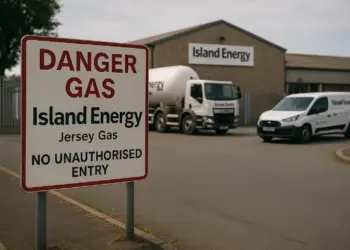

Achieving 400,000 green jobs by 2030 will require urgent, realistic planning not just bold targets. We need coordinated investment in training, facilities and apprenticeships so roles are filled safely and to the right standard. Employers, schools, colleges and government must share responsibility for workforce development, and funding must match the scale of the challenge. Without skilled people and appropriate infrastructure the risk is poor quality work, safety failures and stalled projects. Prioritising practical training pathways, clear competency standards and long term funding will protect workers and help the transition succeed.
The ambition to create 400,000 green jobs is welcome, but delivering it will require urgent, practical action on skills, facilities and funding. Employers and training providers need clear, funded routes to scale up apprenticeships and retraining programmes now, and government must align incentives and capital investment to unlock private sector participation. Safety and competence cannot be an afterthought in the rush to expand staff numbers so accredited training, competency assessment and appropriate workplace supervision should be built into plans from the start. Strong collaboration between industry, unions and education providers will be essential to ensure new jobs are both sustainable and safe.
Training and skills are the make or break factor here. Without clear plans and immediate investment in accredited courses, workplace training facilities and on the job apprenticeships the target will remain aspirational. Employers need support to scale up recruitment and training pipelines, and government must underwrite programmes that bridge the gap between classroom learning and practical site competence. Equally important is ensuring standards and safety competency are built into roles from the outset so new jobs are productive and low risk. Collaboration across employers, unions and training providers with funded transition pathways will be essential if we are to deliver thousands of genuinely sustainable and safe jobs by 2030.
Training and workforce planning must be prioritised now if the 400,000 target is to be realistic. Without coordinated investment in skills development, accredited training centres and clear career pathways, employers will struggle to recruit competent staff and projects will face delays and cost overruns. Government, industry and unions need to agree on funding streams, regional training hubs and standards so that new roles are safe, competent and long lasting.