















Choose an AI chat
Glasgow employers urged to strengthen workplace safety measures
UK Health and Safety Latest

Glasgow employers urged to strengthen workplace safety measures

by Tara Rowden
July 29, 2026
0

Employers in Glasgow face urgent calls to reassess workplace safety protocols, following a Health and Safety Executive report revealing that...

Read moreDetails
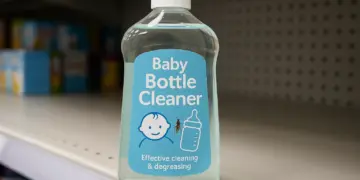
Milton recalls baby bottle cleaner after insect contamination

Milton recalls baby bottle cleaner after insect contamination

July 29, 2026
Warning issued over plush toy posing suffocation risk to infants

Warning issued over plush toy posing suffocation risk to infants

July 29, 2026
New targeted therapy shows promise against antibiotic-resistant gonorrhoea

New targeted therapy shows promise against antibiotic-resistant gonorrhoea

July 28, 2026
Engineer dies after being crushed while working on Boeing 787 at Heathrow

Engineer dies after being crushed while working on Boeing 787 at Heathrow

July 28, 2026

Archives

  • July 2026
  • June 2026
  • May 2026
  • April 2026
  • March 2026
  • February 2026
  • January 2026
  • December 2025
  • November 2025
  • October 2025
  • September 2025
  • July 2025
  • August 2009

Categories

  • Health and Safety Help
  • News
  • Policies
  • UK Health and Safety Latest
  • About
  • Advertise
  • Policies
    • Privacy Policy
    • Editorial Policy
    • Corrections & Complaints policy
  • Useful Documents
    • Understanding RIDDOR
    • 10 Workplace Safety Failures
    • A Complete Guide to Reporting Safety Incidents in the UK
    • Fire Risk Assessment: Meeting the Regulatory Reform (Fire Safety) Order
    • COSHH Basics: A Practical Guide to Control of Substances Hazardous to Health
    • Working at Height in the UK: The Essentials (WAH Regulations 2005)
    • Asbestos in the Workplace: Control of Asbestos Regulations 2012 (CAR) Essentials
    • Managing Contractors Under CDM 2015: Roles, Duties & Controls
    • DSE & Ergonomics: Healthy Workstations for Office & Hybrid Teams
    • Lock out Tag out LOTO
    • Workplace Transport Safety: Forklifts, Pedestrians & Traffic Management
    • Noise & Vibration at Work: Practical Controls (2005 Regulations)
    • Confined Spaces in the UK: Safe Entry under the Confined Spaces Regulations 1997
  • Contact
  • Agent
Tuesday, August 4, 2026
25 °c
London
25 ° Wed
22 ° Thu
21 ° Fri
  • Login
UK Safety News
  • Home
  • News
    • All
    • UK Health and Safety Latest
    Glasgow employers urged to strengthen workplace safety measures

    Glasgow employers urged to strengthen workplace safety measures

    Milton recalls baby bottle cleaner after insect contamination

    Milton recalls baby bottle cleaner after insect contamination

    Warning issued over plush toy posing suffocation risk to infants

    Warning issued over plush toy posing suffocation risk to infants

    New targeted therapy shows promise against antibiotic-resistant gonorrhoea

    New targeted therapy shows promise against antibiotic-resistant gonorrhoea

    Engineer dies after being crushed while working on Boeing 787 at Heathrow

    Engineer dies after being crushed while working on Boeing 787 at Heathrow

    Train drivers demand improved toilet facilities and breaks after regulatory failures

    Train drivers demand improved toilet facilities and breaks after regulatory failures

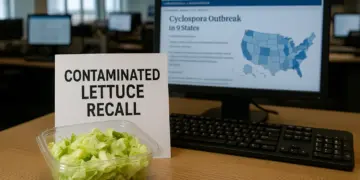
    Outbreak of cyclosporiasis reveals gaps in US food safety system

    Outbreak of cyclosporiasis reveals gaps in US food safety system

    Construction safety under scrutiny as fatalities rise in high-risk industry

    Construction safety under scrutiny as fatalities rise in high-risk industry

    Talcum powder safety concerns escalate amid legal battles for Johnson & Johnson

    Talcum powder safety concerns escalate amid legal battles for Johnson & Johnson

    Train drivers face strike over lack of toilet facilities

    Train drivers face strike over lack of toilet facilities

    Trending Tags

No Result
View All Result
UK Safety News
No Result
View All Result
Home News UK Health and Safety Latest

Family of stonemason calls for ban on engineered stone after silicosis death

Ellie Cartwright by Ellie Cartwright
December 16, 2025
in UK Health and Safety Latest
Reading Time: 4 mins read
0
Family of stonemason calls for ban on engineered stone after silicosis death

Story Highlight

– Marek Marzec, 48, died from silicosis after diagnosis.
– Family demands ban on engineered stone due to risks.
– Silicosis linked to cutting high-silica quartz countertops.
– Regulations for worker safety deemed insufficient by family.
– UK faces growing calls for tougher engineered stone regulations.

Full Story

Marek Marzec, a skilled stonemason from Poland, tragically passed away at the age of 48, just seven months after being diagnosed with silicosis, a severe lung disease linked to inhalation of hazardous dust from engineered stone. His family is now advocating for a ban on engineered stone in the UK, highlighting the urgent need for enhanced health and safety regulations in the construction industry.

Marzec succumbed to the disease in November 2022, after years of exposure to the silica-rich dust generated during the cutting of quartz worktops. Having moved to the UK in 2011, he sought to create a stable future for his three daughters through his profession. In recent years, the popularity of engineered stone surfaces has surged, making the risks associated with them even more pressing.

Recent statistics indicate that the number of stonemasons diagnosed with silicosis has increased dramatically, with at least 45 reported cases in the UK, and the average age of affected workers being just 31. This alarming trend has drawn attention from various stakeholders in the construction sector, including health and safety professionals and legislative bodies.

Joe Duggan, a senior journalist committed to uncovering the issues surrounding engineered stone silicosis, has followed this story closely for nearly two years. His investigation was recognised with a nomination for a prestigious journalism award, underscoring the significance of this public health issue. Individuals affected by silicosis are encouraged to reach out to Duggan for support and to share their experiences.

While silicosis has long been a known risk for miners and traditional construction workers, doctors are increasingly noting that silicosis relating to artificial stone arises after much shorter exposure periods. This stolen health is compounded by a concerning trend in the rapid progression of the disease, often leading to higher mortality rates compared to traditional silicosis cases.

The widespread use of manmade quartz is partly driven by its lower cost compared to natural stones like granite or marble. However, this artificial stone often contains significantly higher levels of respirable crystalline silica (RCS), which poses a much greater threat during cutting processes that don’t employ proper safety measures, such as water cutting or adequate dust extraction systems.

During his battle with the disease, Marzec shared a poignant account of his experiences in the workplace. In October 2022, while receiving care at Whittington Hospital, he described the working conditions that contributed to his condition, painting a stark picture of the thick dust that surrounded him. Marzec likened the environment to a “tornado,” obscuring his vision and making breathing increasingly difficult.

Following his diagnosis of acute silicosis on 20 April 2022, Marzec’s health deteriorated quickly. In an emotional interview, he reflected on conversations with doctors about his prognosis, conveying a sense of helplessness regarding his fate. Despite previously exploring the possibility of a lung transplant, his deteriorating condition made that option unfeasible.

His tragic passing on 30 November 2022 has brought the issue of engineered stone silicosis to the forefront. Marzec was not alone; he was the second UK worker known to have died from silicosis linked to engineered stone, following the death of 28-year-old Wessam al Jundi, who succumbed to the disease just days after being hospitalised for a lung transplant.

Marzec’s family has made public their belief that stronger regulatory measures are essential to protect workers in the industry. They posited that the appalling conditions under which Marek worked were entirely preventable, especially since there are alternative materials available that might mitigate the risks associated with silica exposure. They are calling for rigorous safety standards and outright bans on engineered stone to safeguard future generations of workers.

The situation in Australia has been indicative of a growing global awareness of the hazards posed by engineered stone, as the country became the first to implement a complete ban on the material, following numerous cases of silicosis among young stonemasons.

Marzec articulated concerns about the lack of safety equipment in his workplace, citing instances where he requested dust extraction mechanisms but was met with indifference from management, leading to his decision to leave if conditions did not improve.

Experts, including Ewan Tant, a partner at Leigh Day law firm representing Marzec’s family, highlighted the pattern of negligence that has resulted in numerous cases of silicosis in the sector. He emphasised the need for immediate action to prevent further loss of life and prevent unnecessary suffering among families like Marzec’s.

The Health and Safety Executive (HSE) has extended condolences to families affected by work-related diseases but also drove home the importance of using low silica products, which can substantially reduce the risks associated with construction work while maintaining aesthetic and functional qualities.

The tragic story of Marek Marzec has sparked an outcry for reform within the construction industry, with hopes that through shared experiences, the cycle of preventable illness and loss can be broken, ensuring that no other families endure similar heartache.

Our Thoughts

Marek Marzec’s tragic death from silicosis highlights critical failures in health and safety practices within the stonemasonry industry. Compliance with the Control of Substances Hazardous to Health (COSHH) Regulations should have been prioritized, requiring employers to conduct risk assessments and implement appropriate control measures, such as effective dust extraction systems and wet cutting techniques.

The lack of these safety measures in Mr. Marzec’s workplace directly contributed to his exposure to respirable crystalline silica (RCS), thereby breaching regulations aimed at protecting workers from hazardous dust. Adequate training and information regarding the risks associated with cutting engineered stone are also essential under the Health and Safety at Work Act 1974.

To prevent similar incidents, it is vital to reinforce regulations surrounding the use of engineered stone, including mandatory health surveillance for workers exposed to silica dust. Additionally, increasing awareness and enforcing compliance could mitigate the risks, potentially foster safer working conditions, and encourage the adoption of alternative materials with lower silica content. The call for stronger regulations and preventive measures from Marzec’s family underscores the urgent need for action in the sector to protect workers’ health.
SummarizeShare35Share202SendSend
ADVERTISEMENT
Ellie Cartwright

Ellie Cartwright

Ellie Cartwright is a health and safety journalist with a background in occupational health and public health reporting. She covers UK workplace safety legislation, HSE enforcement actions, and emerging health risks in the workplace. Ellie holds a degree in Public Health and has reported on safety issues across the construction, healthcare, and manufacturing sectors.

Related Posts

Government launches initiative to support workers' health in small businesses

Government launches initiative to support workers’ health in small businesses

by Michael Harland
December 29, 2025
0

The UK Government has launched a new initiative aimed at empowering small business managers with free occupational health training to...

Accidental poisonings among older adults rise significantly

Accidental poisonings among older adults rise significantly

by Tara Rowden
March 7, 2026
0

Accidental poisoning cases among older adults are surging, with individuals over 65 now twice as likely to die from such...

Useful Documents

  • Understanding RIDDOR
  • 10 Workplace Safety Failures
  • A Complete Guide to Reporting Safety Incidents in the UK
  • Understanding RIDDOR
  • Fire Risk Assessment: Meeting the Regulatory Reform (Fire Safety) Order
  • COSHH Basics: A Practical Guide to Control of Substances Hazardous to Health
  • Working at Height in the UK: The Essentials (WAH Regulations 2005)
  • Lock out Tag out LOTO

Recent Posts

  • Glasgow employers urged to strengthen workplace safety measures
  • Milton recalls baby bottle cleaner after insect contamination
  • Warning issued over plush toy posing suffocation risk to infants
  • New targeted therapy shows promise against antibiotic-resistant gonorrhoea
  • Engineer dies after being crushed while working on Boeing 787 at Heathrow

Recent Comments

  1. Piper Douglas on Worker dies due to inadequate machinery safety measures
  2. Natalie Coleman on New housing laws aim to tackle damp and mould crisis in England
  3. Simon Barrett on Honeymoon ruined by illness as newlywed suffers severe infection in Cape Verde
  4. Nolan Barrett on Work-related ill health in Great Britain remains a concern after pandemic peak
  5. Dylan Reeves on Sickness rates among Scottish police officers soar to troubling levels
UK Safety News

Copyright © 2026
UK Safety News

Navigate Site

  • About
  • Advertise
  • Policies
  • Useful Documents
  • Contact
  • Agent

Follow Us

Welcome Back!

Login to your account below

Forgotten Password?

Retrieve your password

Please enter your username or email address to reset your password.

Log In
No Result
View All Result
  • Home
  • News

Copyright © 2026
UK Safety News

This website uses cookies. By continuing to use this website you are giving consent to cookies being used. Visit our Privacy and Cookie Policy.