










Story Highlight
– Counterfeit beauty products are rapidly increasing online.
– Fake cosmetics lack safety compliance and regulations.
– Harmful substances found in counterfeit beauty products.
– Clues to identify fakes include price and packaging.
– Buy from reputable retailers to avoid counterfeits.
Full Story
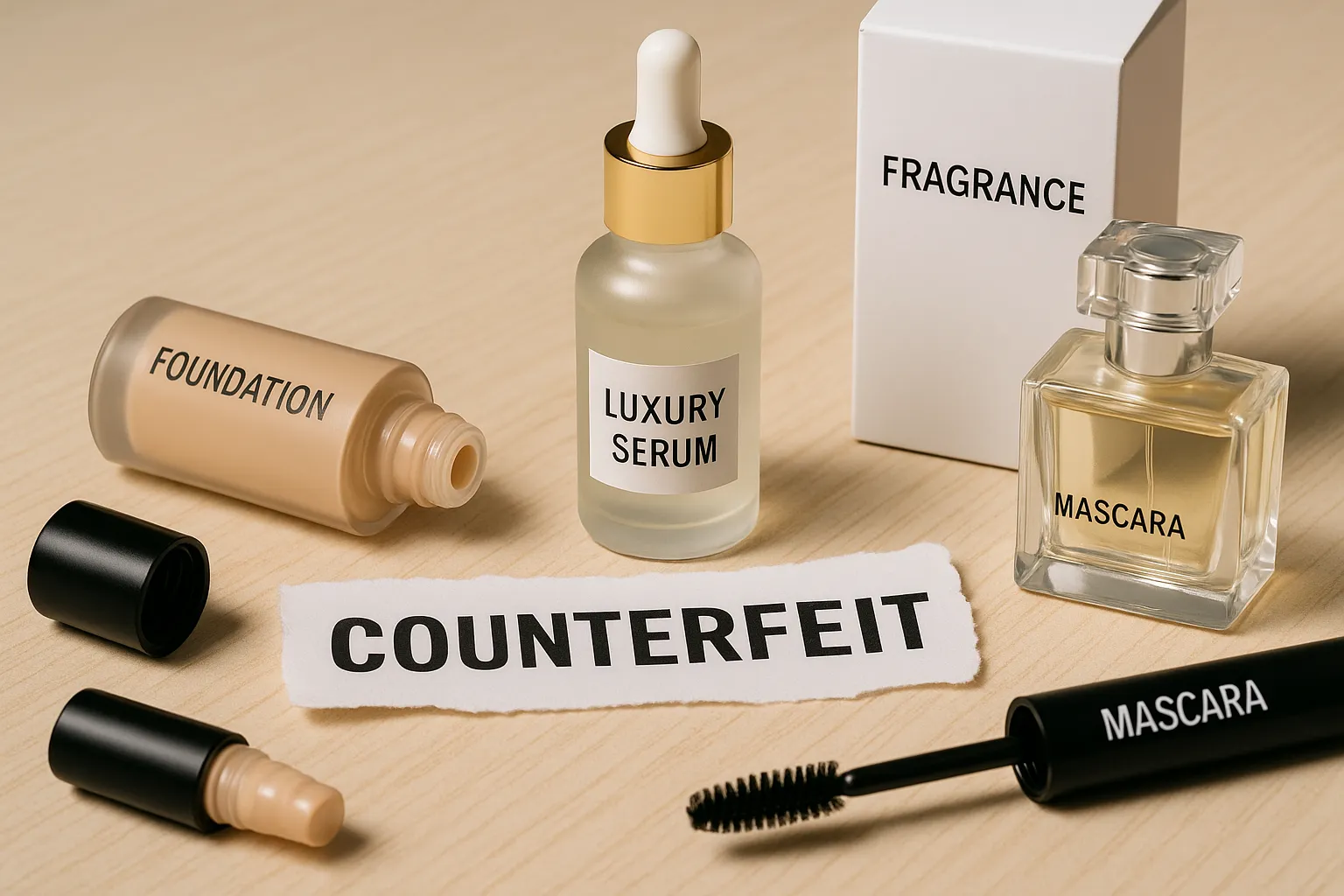
The rise of counterfeit beauty products has gained alarming momentum, not only putting consumers at risk but also highlighting the challenges posed by the ever-expanding online marketplace. They present a façade of luxury and affordability, often advertised through social media, where enticing deals on skincare serums or eye-catching mascara can lead unsuspecting shoppers down a perilous path. The reality, however, is that these imitation products frequently fail to meet safety standards, leaving consumers unaware of the potential health hazards.
Recent statistics from the UK Government’s Intellectual Property Office reveal that the purchase of counterfeit cosmetics and toiletries has risen by 6% towards the end of 2025. This surge raises pressing concerns about the safety and authenticity of products purchased online. Dr Emma Meredith OBE, the director-general of the Cosmetic, Toiletry and Perfumery Association (CTPA), cautions consumers about the dangers of counterfeit beauty items. “Counterfeit beauty products might look like the real deal, but that’s where the similarity stops,” she asserts. The implications extend far beyond aesthetic disappointment; such products can contain harmful ingredients that jeopardize users’ health.
Unlike legitimate cosmetics, counterfeit items circumvent strict UK safety regulations, which ensure that every product undergoes thorough testing, adheres to ingredient safety standards, and is manufactured under strictly controlled conditions. Genuine cosmetics must also identify a UK-based “Responsible Person” on their packaging, assuring consumers of their legitimacy. “We don’t know what is in the fakes and counterfeits, nor how or where they have been made,” Meredith explains, emphasising the lack of accountability associated with counterfeit goods. “They are highly unlikely to have been through the thorough safety requirements which are mandatory for legally compliant cosmetic products.”
The boom in counterfeit beauty products is multifaceted. The shift towards online shopping, accelerated by the COVID-19 pandemic, has not waned, creating fertile ground for counterfeiters to exploit the situation. Digital platforms offer a veil of anonymity, allowing sellers to disguise their identities, misuse legitimate branding, and vanish as quickly as they arrive, often taking consumers with them.
Economic pressures, particularly increased living costs, may further premium the appeal of low-cost alternatives. Meredith highlights this concerning trend: “The cost-of-living increase may drive consumers to look for discounted or cheap options, and they may be buying counterfeit items believing they are saving money on the real product.” This shift has resulted in a market inundated with convincing knock-offs, from luxurious skincare ranges to standard make-up essentials.
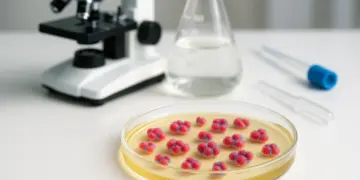
The findings from recent tests conducted by the UK Intellectual Property Office under its “Choose Safe Not Fake” initiative are sobering. Evaluations of various counterfeit beauty and personal care items revealed the presence of hazardous substances. Tests discovered carcinogens like beryllium oxide, along with heavy metals such as arsenic, lead, and mercury. Some samples even showed traces of rodent waste and horse droppings, stark evidence of the unsanitary conditions surrounding their production.
The health repercussions of using counterfeit beauty products can be severe. Allergic reactions, chemical burns, skin infections, and long-term damage are all documented risks linked to these fraudulent items. Furthermore, ineffective products may exacerbate existing skin conditions, leaving those with allergies vulnerable due to a lack of transparent ingredient disclosures. Imposters in the fragrance sector, particularly, often neglect to provide ingredient lists, rendering it difficult for consumers to make informed choices.
Experts within the industry insist that safety is central to consumer welfare, not merely a marketing strategy. They advocate for consumers to exercise diligence when purchasing beauty products, particularly online. While there is no guaranteed method for validating the authenticity of a product pre-purchase, certain warning signs can offer guidance.
Price, point of sale, and packaging authenticity are key indicators to consider. Any price that deviates significantly from the average retail cost should raise alarm. “If the product is being offered at a very cheap price, the chances are that it is an untested and unsafe look-alike that’s not worth the potential cost to your health,” Meredith warns.
Potential red flags in packaging can include misspelled brand names, logos that appear inconsistent, and unusual wordings or omissions of required information. Legitimate products available in the UK must showcase a complete list of ingredients and identify a UK Responsible Person.
The threat escalates online, where counterfeit sellers often employ tactics such as flash sales designed to create urgency. Accounts that mimic brand identities but lack official affiliations, poorly crafted product descriptions devoid of customer service contact details, and sellers who engage in continual posting without interacting with followers are common indicators of counterfeit activity.
In contrast, navigating consumer purchases through official channels provides the safest option. Respected brands or established retailers’ websites provide reassurance against counterfeiting. When considering products, consumers should resort to reputable retailers known for customer service and return policies, such as Boots and Cult Beauty, instead of unverified sellers on social media marketplaces.
The distinction between “grey market” and counterfeit beauty products is crucial to understanding the landscape. Grey market items, sold outside official distribution channels, can still be genuine, whereas counterfeits are illegal and pose significant risks. CTPA underscores this difference, urging consumers to remain vigilant about retailers and pricing and to trust their instincts when something seems amiss.
In the unfortunate event that a buyer suspects they have acquired a counterfeit product, they should cease usage immediately. Any unpleasant smell, poor performance, or unexplained irritation should serve as a signal to report to Trading Standards via the Citizens Advice consumer helpline. Brands also often monitor counterfeit activities and welcome reports that enable them to take action against illicit sales.
In summary, the allure of discounted beauty products should be met with caution. As the counterfeit market swells, consumers must remain informed and vigilant to protect their wellbeing and avoid the perils associated with fake cosmetics.
Our Thoughts
The rise of counterfeit beauty products poses significant risks to consumer health and safety. To mitigate these dangers, several measures could have been taken. Firstly, enhanced regulatory enforcement is essential to prevent the sale of counterfeit goods. The UK Cosmetics Regulation mandates stringent safety assessments and proper ingredient disclosure, yet counterfeit products bypass these critical requirements, highlighting a breach of consumer protection laws.
Consumer education is another vital area. Increased awareness campaigns could equip buyers with knowledge on identifying counterfeit products, such as recognizing price discrepancies, poor packaging, and the absence of a Responsible Person. This could reduce the likelihood of purchasing unsafe items.
Online marketplaces and social media platforms should implement stricter verification processes for sellers to ensure accountability and traceability, thus complying with the eCommerce Directive. Enhanced measures would not only protect consumers but also bolster compliance with the Health and Safety at Work Act, which emphasizes safeguarding individuals from hazardous products.
In summary, improved regulatory enforcement, consumer education, and stricter online seller verification could significantly reduce the prevalence and risks associated with counterfeit beauty products in the UK.