
















Story Highlight
– Cloud Nine’s XDM 3600 dryer withdrawn for safety violations.
– Product poses fire risk; may overheat during use.
– Customers advised to stop using and return the dryer.
– Recall follows multiple safety alerts in various products.
– Asbestos contamination noted in recent product recalls.
Full Story
A luxury hair dryer has been swiftly recalled after it was discovered to fall short of safety standards, raising concerns amid a flurry of product withdrawals affecting various consumer goods. Recently, numerous items, ranging from children’s toys to grocery items, have been deemed hazardous, prompting authorities to issue recall notices.
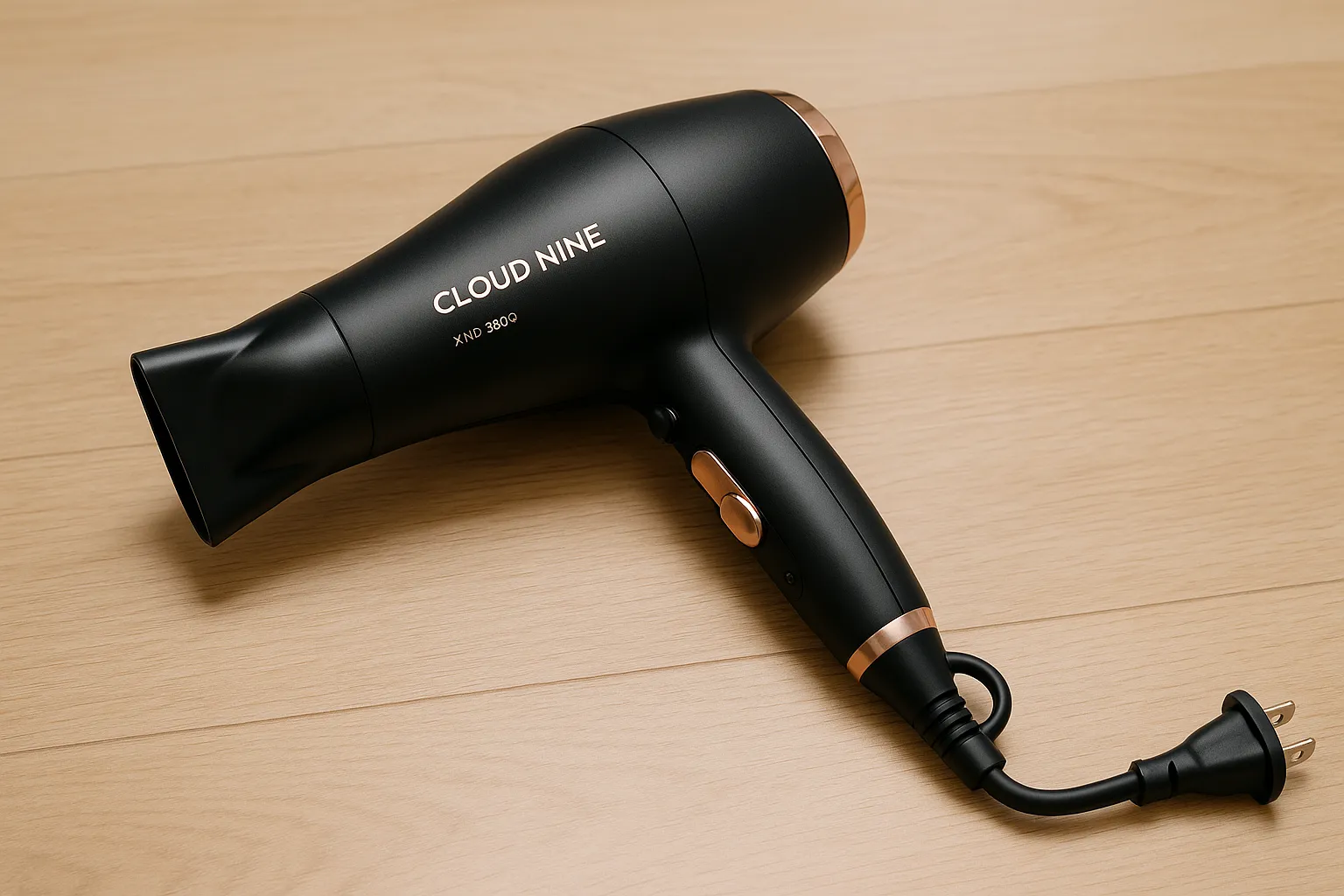
On March 2, the Office for Product Safety and Standards (OPSS) announced the recall of Cloud Nine’s XDM 3600 Travel Dryer due to significant fire hazards associated with its usage. The alert outlines risks of overheating, which could lead to ignition and pose serious safety threats to users. Customers who own this product have been strongly advised to cease usage immediately.
Cloud Nine, known for its premium haircare products, has garnered a devoted customer base with innovative styling tools designed to meet diverse hair needs, enhancing strength and shine. The travel dryer was not sold separately but served as a complimentary item for consumers who purchased qualifying Cloud Nine products. With its sleek black finish, compact, foldable design, and rose gold details, the dryer was marketed as an essential accessory for on-the-go styling.
In light of the EPSS’s findings on the travel dryer’s safety shortcomings, the brand has initiated a market withdrawal and outlined steps for customers affected by the recall. Consumers are encouraged to return the dryer to the manufacturer to receive a voucher in exchange, or, if unable to return the product, to dispose of it safely and retain their proof of purchase. Additional information can be found under the payments and FAQs section on the Cloud Nine website.
The OPSS highlighted in their recall notice: “The product presents a risk of fire as it may overheat during use. This could lead to the product igniting and catching fire, presenting a risk to users.” The agency reiterated that the travel dryer does not comply with the Electrical Equipment (Safety) Regulations 2016.
This recall follows an uptick in the number of product alerts disseminated by the OPSS, which operates as a critical UK regulatory body overseeing the safety of consumer products. Recently, the OPSS also urged customers of Shein, the popular fashion retailer, to stop using bags of Multi-Colour Ultra-Fine Quartz Sand due to contamination with asbestos. These sand products were packaged in translucent bags featuring various hues, including yellow, brown, orange, and green.
The presence of asbestos has led to several recalls across different sectors, notably affecting children’s toys and other sand-based items. Well-known retailers, including Amazon, Tesco, B&M, and The Entertainer, have been implicated in these urgent withdrawals.
Asbestos consists of naturally occurring fibrous minerals known for their heat resistance and durability, which resulted in their widespread use in construction and insulation materials. However, it was later found that inhaling these fibres can lead to severe, life-threatening health conditions, including cancer and mesothelioma. Consequently, the use of asbestos has been outlawed in over 60 nations, including the UK.
The recent spate of recalls highlights a critical need for heightened consumer awareness regarding product safety. It underscores the responsibilities of manufacturers to ensure that their products meet established safety standards before they reach the market. Regulatory bodies like the OPSS play an essential role in monitoring compliance and acting quickly to protect consumers when potential hazards arise.
While the Cloud Nine travel dryer incident reflects broader issues in the industry, the prompt response from regulatory authorities aims to mitigate risk and safeguard public safety. Consumers are urged to stay informed about product recalls and safety notices, as details regarding these matters can have significant implications for their health and well-being.
As a proactive measure, shoppers are encouraged to regularly review the safety information released by regulatory agencies to stay updated about the latest product alerts. Understanding the risks associated with certain products can empower consumers to make safer choices.
As the landscape of product recalls evolves, businesses and consumers alike bear the burden of ensuring adherence to safety regulations. The recent recalls serve as reminders of the potential dangers lurking in everyday items and the importance of vigilance in safeguarding against such risks.
For those impacted by the current Cloud Nine recall or any others, keeping receipts and staying informed via brand communications and official channels will facilitate the process of exchanges or safe disposal of unsafe items. The ongoing commitment of the OPSS and various retailers to address safety concerns is crucial in maintaining public confidence in consumer goods, paving the way toward a safer shopping experience for all.
Our Thoughts
To avoid the issue with the Cloud Nine XDM 3600 Travel Dryer, a more rigorous compliance testing protocol should have been implemented by the manufacturer prior to market release to ensure it met the Electrical Equipment (Safety) Regulations 2016. Regular safety assessments and quality control could detect potential overheating risks, preventing unsafe products from reaching consumers.
Key safety lessons include the importance of adhering to established safety standards and the need for effective product testing. The rapid withdrawal highlights the necessity of responsive reporting mechanisms to protect consumer safety.
Relevant regulations breached include the Electrical Equipment (Safety) Regulations 2016, which mandate that electrical equipment must meet specific safety requirements to prevent hazards such as overheating and fire risks.
To mitigate similar incidents, manufacturers should establish robust quality assurance processes, conduct thorough safety checks, and engage in regular audits to ensure ongoing compliance with safety regulations throughout the product lifecycle. Additionally, ensuring transparent communication with consumers about potential safety risks can enhance awareness and prompt corrective actions.