















Story Highlight
– Illegal vapes pose health risks in the UK.
– Over 1.3 million illegal vapes seized in 2025.
– Central Bedfordshire Council had the highest seizures.
– Calls for a licensing scheme to regulate vape sales.
– Health studies reveal vaping risks similar to smoking.
Full Story
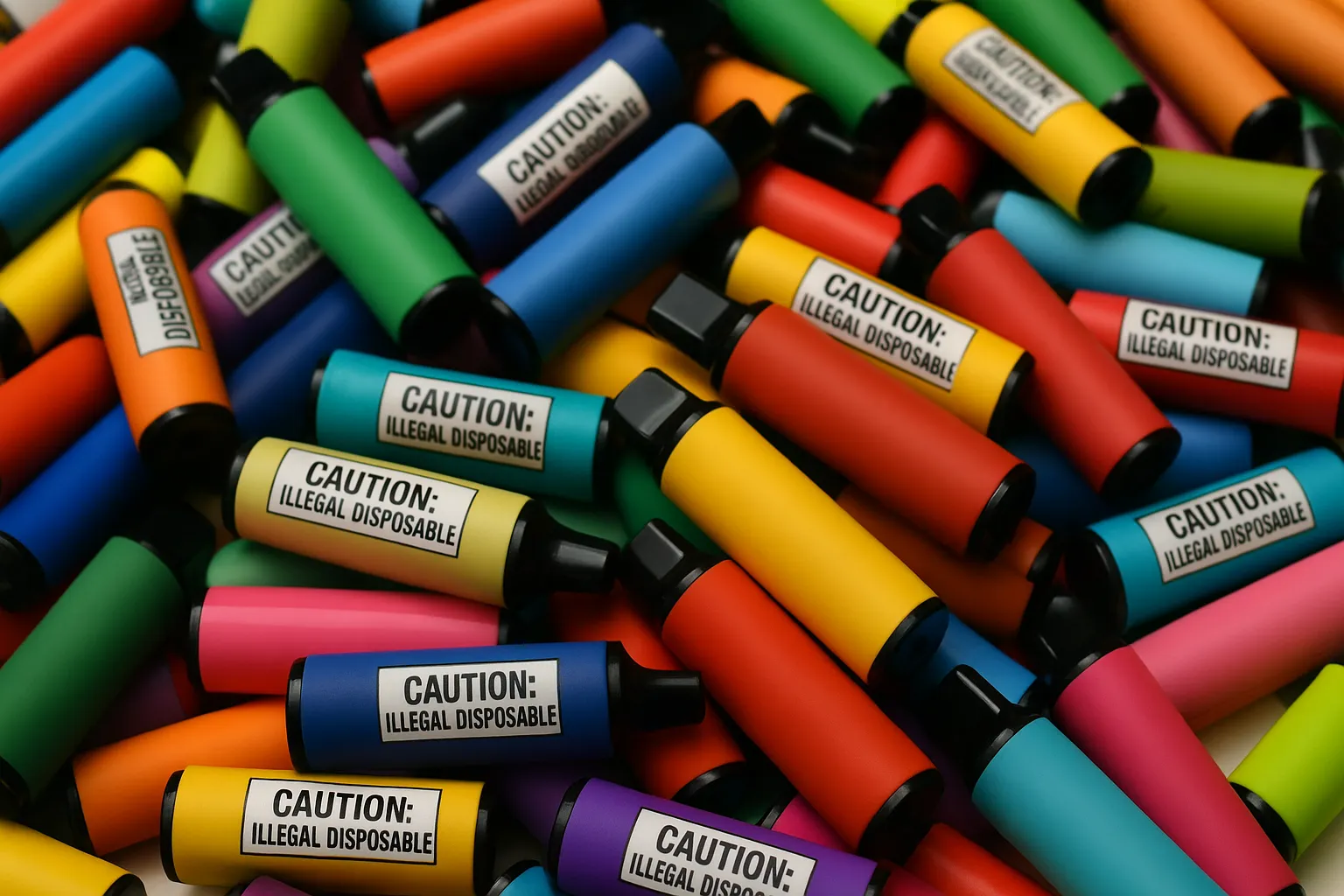
Illegal vaping products have become an increasingly pressing concern across the United Kingdom, as new data highlights the extensive challenges posed by unregulated devices. A recent investigative report has revealed alarming statistics that pinpoint the towns, cities, and regions most impacted by these illicit items. While the closure of traditional retail outlets on many high streets has allowed an influx of vape shops, a significant number of these are operating outside the law, distributing counterfeit vapes that threaten public health and safety.
These illegal vape products frequently contravene established regulations outlined in the Tobacco and Related Products Regulations 2016 (TRPR). This legislation sets critical guidelines regarding allowable nicotine levels and the size of vape tanks, among other safety measures. Now, industry leaders express fears that the situation recorded in the latest findings may represent a fraction of an even graver reality, referring to it as merely the “tip of the iceberg.” John Dunne, the Director General of the UK Vaping Industry Association (UKVIA), voiced serious concerns, deeming the findings “deeply troubling”.
According to a report from vaping retailer Vape Club, over half of the councils in the UK, precisely 55%, confiscated illegal vaping products last year. The report also charted the local authority areas that witnessed the highest numbers of seizures, with one council alone having confiscated more than half a million illegal vapes over a three-year span.
The council that led in seizures was Central Bedfordshire, where authorities confiscated 345,718 illegal vapes in 2025. Following closely was Bolton Council, which recorded 259,492 illegal vapes seized within the same timeframe, having accumulated a total of 346,338 contraband devices over the past three years. Other areas identified as significant hotspots for illegal vape sales included Kent, Swansea, Liverpool, and Hillingdon.
Central Bedfordshire’s alarming situation is partly attributed to its proximity to Luton Airport, which has become a new hub for the illicit importation of these devices, especially as smuggling operations are reportedly shifting away from London Heathrow Airport. Kent’s key transport routes, such as the Dover ferry terminal, Eurotunnel, and the Dartford parcel hub, also serve as crucial points for the illegal distribution of vaping products.
Data collected through a Freedom of Information (FOI) request from local councils shed light on these developments, revealing not just the scale of illegal trading, but also underscoring the need for enhanced regulatory measures. A map accompanying the report clearly illustrates the areas experiencing the highest levels of unlawful vape sales, raising alarms about the worsening situation in many communities.
The nine local authorities with the most significant seizures include:
1. Central Bedfordshire Council
2. Bolton Council
3. Kent County Council
4. Hillingdon
5. Swansea Council
6. Liverpool City Council
7. Sheffield City Council
8. Hertfordshire County Council
9. Manchester City Council
Overall, authorities confiscated approximately 1.3 million illegal vapes in 2025, a figure that has sparked concern among policymakers and health professionals alike.
Dunne reiterated the urgent need for improved oversight, stating, “I fear that what has been uncovered here is just the tip of the iceberg, and it is deeply troubling that the report shows that Trading Standards have undertaken fewer inspections this year than in the previous 12 months.” He called for the establishment of a licensing scheme for vape retailers and distributors, advocating that such a framework could potentially generate upward of £50 million annually to bolster Trading Standards operations.
He further emphasized, “Trading Standards teams up and down the country need more funding, and vape licensing could provide the revenue to hit illegal sales hard. Robust enforcement backed up by £10,000 fines for those who break the law is the best way to tackle this issue once and for all.”
The proliferation of vape shops on high streets is a growing concern for many residents. In locations like Manchester, the number of retailers selling vaping products has surged substantially. Specifically, Harris Street and Overbridge Street in the Strangeways area feature a combined total of 51 vape shops as of February 2026, prompting questions regarding local health implications.
Research into the health effects of vaping is ongoing, with recent studies indicating health risks that resemble those experienced by traditional cigarette smokers. One such study being conducted at Manchester Metropolitan University has shown that vapers may experience artery damage akin to that found in smokers, highlighting the potentially serious consequences of vaping even with regulated products.
Dan Marchant, the Director of Vape Club and a founding member of UKVIA, has also advocated for a comprehensive licensing framework to oversee the vape sector. “We’ve long called for a retail and distributor licensing framework to be implemented for the vape sector,” he said. “This would provide trading standards the power and resources to effectively enforce the law right across the UK. It’s a nationwide issue and is affecting our high streets and local areas.”
As authorities grapple with the growing prevalence of illegal vaping products, the need for immediate, coordinated action becomes increasingly evident to counteract these challenges and protect public health nationwide.
Our Thoughts
To address the rise of illegal vapes in the UK, several measures could have been implemented:
1. **Enhanced Regulation and Licensing**: The introduction of a retail and distributor licensing scheme for vape shops could ensure compliance with the Tobacco and Related Products Regulations 2016 (TRPR). This regulatory framework would enhance oversight and significantly reduce the sale of illegal products.
2. **Increased Inspections**: Trading Standards must conduct more frequent inspections of vape retailers. The reported decline in inspections correlates with a rise in illegal vapes. Regular oversight is essential to enforce compliance and deter illegal operations.
3. **Resource Allocation**: Providing additional funding to Trading Standards is crucial. A licensing fee could generate revenue to enable more robust enforcement against illegal vape sales.
4. **Public Awareness Campaigns**: Increasing public awareness about the health risks associated with illegal vapes could discourage consumers from purchasing unregulated products, drawing attention to the potential dangers of counterfeit goods.
5. **Coordination with Transport Authorities**: Collaboration with customs and transport agencies can help combat the importation of illegal vapes, particularly at key transport hubs identified in the article.
By addressing these areas, the UK could significantly mitigate the issues surrounding illegal vaping and improve overall public health and safety.