













Story Highlight
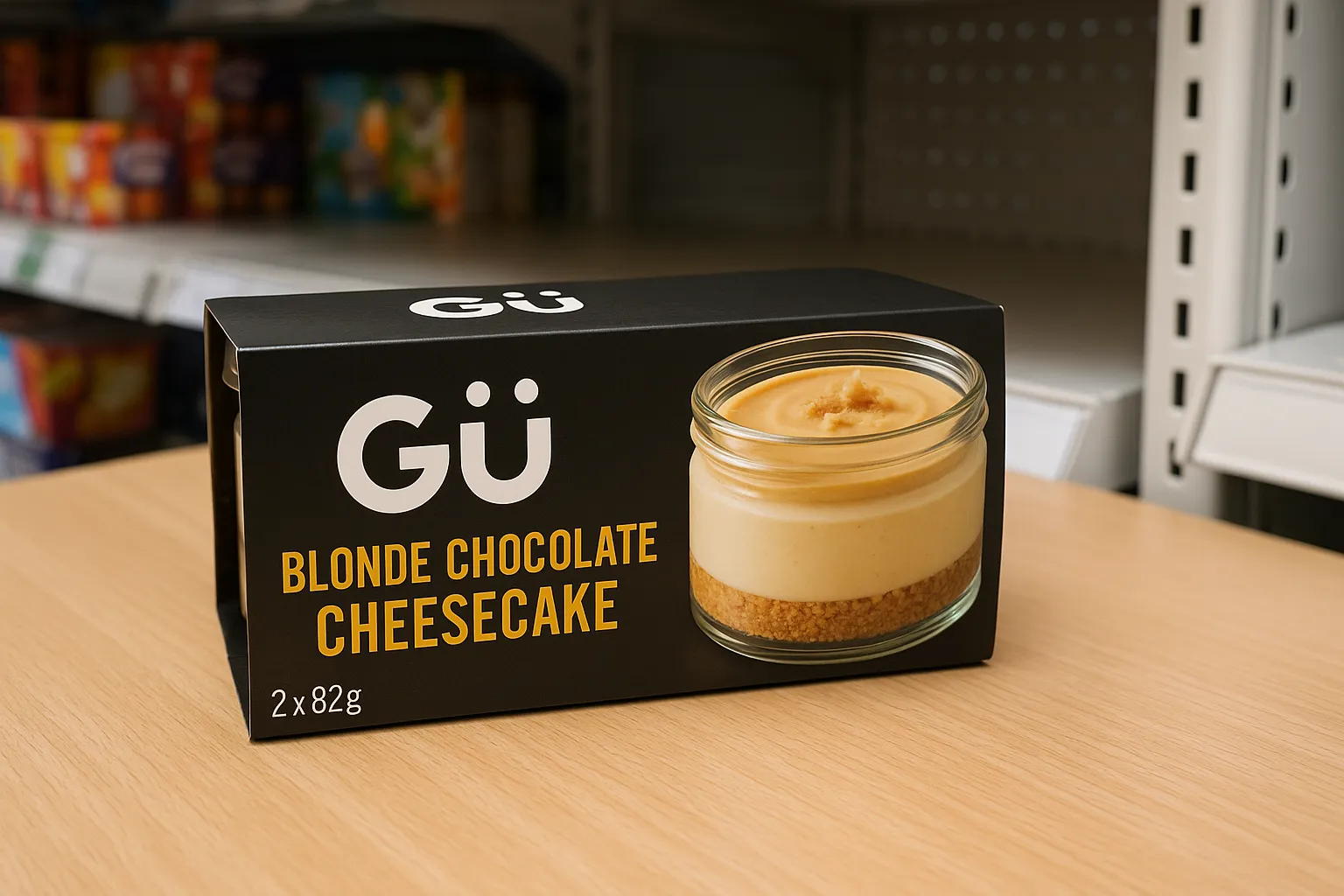
– Gü Blonde Chocolate Cheesecake recalled due to mispacking.
– Hazelnuts present but not listed on packaging.
– Urgent warning for customers with nut allergies.
– Affected products have batch code 226044, use-by March 12.
– Customers urged to return for full refund without receipt.
Full Story
A significant health alert has been issued regarding a popular dessert sold in UK supermarkets, leading to an immediate recall of a specific product line due to concerns over the mislabeling of ingredients. The Food Standards Agency (FSA) has raised a ‘do not eat’ warning aimed particularly at consumers with nut allergies.
The affected item is the Gü Blonde Chocolate Cheesecake, which has been inadvertently packaged with another cheesecake containing hazelnuts. As a result of this packaging error, the presence of hazelnuts in the dessert is not indicated on the product label, creating a potential risk for individuals who are allergic to nuts or specifically hazelnuts.
The recall specifically targets the dessert sold in packs of two, each containing 82 grams, identified by the batch code 226044. Consumers are urged to check their purchases carefully, particularly if they are aware of any nut allergies, as the impacted products have a use-by date of March 12, 2026.
Gü Indulgent Foods, the manufacturer of the dessert, took the precautionary step of recalling the Gü Blonde Chocolate Cheesecake after the labeling issue was identified. Shoppers who have purchased this product are strongly advised to refrain from consuming it and instead return it to the point of sale for a full refund, even if they do not possess a receipt.
In a statement on its website, the FSA noted: “If you have bought the above product and have an allergy to hazelnuts (nuts), do not eat it.” Consumers are encouraged to reach out to Gü’s customer service at recall@gupuds.com for additional information regarding the recall.
In light of this recall, the FSA has also communicated with various allergy support groups to ensure that members are made aware of the potential hazard. Retail spaces selling the Gü Blonde Chocolate Cheesecake will be displaying notices to alert consumers about the recall, outlining the reasons for it and providing guidance for those who may have already purchased the item.
This situation underscores the importance of accurate labeling in food products, particularly for items that may pose health risks to individuals with specific dietary restrictions. Recalls can arise from various safety concerns, including missing or incorrect allergen information, and the issue serves as a reminder for consumers to remain vigilant regarding the products they ingest.
The urgency of this recall follows the recent warning from the FSA concerning specific baby formula products produced by Nestlé and Danone, which were pulled from shelves due to suspected contamination with the toxin cereulide. Over 36 reported cases of children exhibiting symptoms consistent with this type of poisoning prompted immediate action from health authorities. Both companies confirm that they have ceased the use of ingredients from the implicated supplier as part of their response to the issue.
As these concerns highlight the necessity for transparency and accuracy within the food supply chain, consumers are advised to stay informed about the products they use and any potential recalls that may affect their health and safety. It is vital for shoppers, especially those with allergies, to consistently verify labels and seek immediate resolution in the event of any discrepancies.
Our Thoughts
The incident involving the mispacking of Gü Blonde Chocolate Cheesecake highlights significant lapses in food safety regulations under the UK Food Safety Act 1990 and the allergen labeling requirements specified by the Food Information Regulations 2014. To prevent such occurrences, companies must implement stricter quality control measures during production and packing processes to ensure that allergen information is accurate and clearly labeled.
Key safety lessons include the necessity for regular training of staff on allergen management and the importance of robust communication protocols. Companies should also conduct thorough audits of their production lines to identify potential hazards related to cross-contamination.
In this instance, failing to clearly label the presence of hazelnuts not only breaches consumer protection regulations, but it also poses significant health risks to individuals with nut allergies. Similar incidents could be prevented by establishing a more rigorous recall protocol and enhancing consumer awareness campaigns regarding food allergies.
Overall, adherence to existing health and safety legislation, alongside continuous improvement in food safety practices, is essential to mitigate such risks in the future.