
















Story Highlight
– Rangoli restaurant improved from 0 to 4-star rating.
– Initial hygiene rating required urgent improvements in January.
– Restaurant praised as “spotless” after recent inspection.
– Menu features over 150 Indian dishes available.
– Minor tap issue noted, not a significant hygiene risk.
Full Story
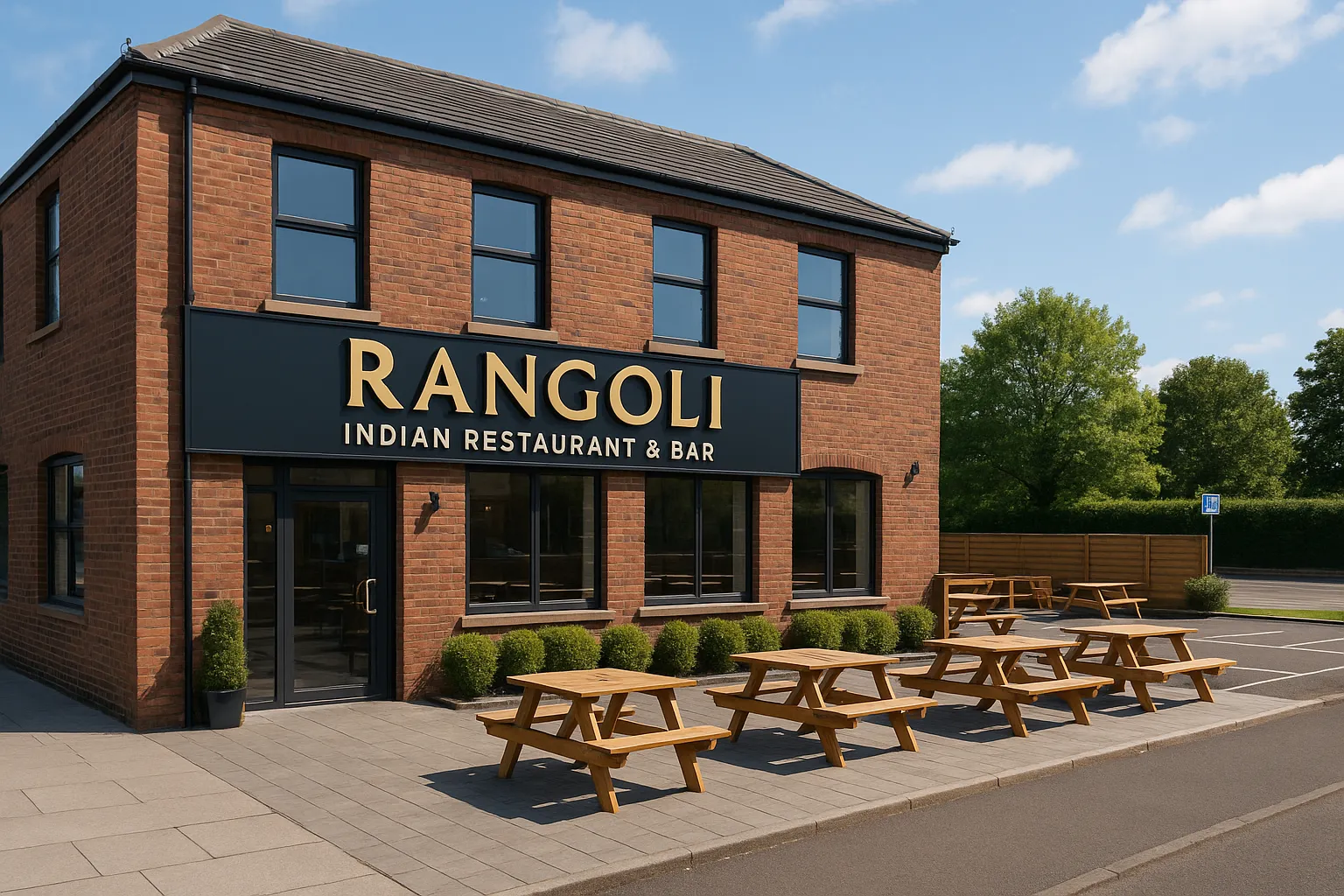
An Indian restaurant located on East Prescot Road in Knotty Ash has made a significant recovery from a concerning hygiene inspection earlier this year. Rangoli, which opened its doors in July 2024, has recently improved its hygiene rating from zero stars to an impressive four stars following a subsequent environmental health inspection.
The restaurant, known for offering an extensive menu that includes over 150 Indian dishes, had ambitions to establish itself as a leading destination for authentic Indian cuisine in the city. Rangoli combines its culinary offerings with a vibrant atmosphere, featuring a live sports bar that screens a variety of sports from football to cricket. In addition, the establishment boasts a large beer garden with seating for more than 40 patrons, providing an appealing option for dining al fresco during warmer months. The venue also offers the convenience of free parking for its guests.
The troubling evaluation conducted by environmental health services on January 20, 2026, marked a low point for Rangoli, with inspectors issuing a zero-star hygiene rating—the lowest achievable score. The inspection report indicated that “urgent improvement necessary” was required to meet health standards. The challenges the restaurant faced were alarming, given the expectations for cleanliness and food safety within the hospitality sector.
Just three months after the initial inspection, however, Rangoli has managed to turn things around dramatically. A spokesperson for the restaurant communicated to the local media that after the latest health and safety assessment, the establishment had secured a much-improved four-star rating, a significant leap from its previous score. The spokesperson emphasised the restaurant’s commitment to maintaining high cleanliness and food safety standards that prioritise the well-being of customers.
During the recent inspection, officials remarked on the quality of maintenance at Rangoli, noting that the venue was “spotless.” Inspectors provided positive feedback on a variety of operational aspects, including food handling practices, kitchen hygiene, and the overall organisation of the restaurant. A minor issue was identified involving one of the taps that was not delivering adequate cold water; however, this concern was regarded as a technicality and not indicative of a major hygiene issue, underscoring the overall high standards upheld by the restaurant.
Management swiftly addressed the highlighted concern, ensuring that all facilities within Rangoli meet the rigorous standards expected by health inspectors. The verbal commendation received from the recent inspection has positioned Rangoli among the well-respected dining establishments within the Liverpool area.
“We are grateful for our devoted staff and the loyalty of our customers, who have supported us throughout this journey,” the spokesperson remarked, reflecting the team’s appreciation for their workforce and clientele alike. The restaurant’s management team underscored that their priority remains ensuring a safe and enjoyable dining experience for patrons, fostering trust in the establishment’s commitment to food safety and hygiene.
As Rangoli continues to evolve and solidify its reputation, customers can look forward to enjoying a diverse range of Indian fare with the confidence that cleanliness and safety are paramount. The community response to the turnaround has been largely positive, signalling a hopeful future for the venue as it regains its standing in an increasingly competitive market.
In a sector that is perpetually scrutinised for hygiene standards, Rangoli’s recent transition serves as a positive case study for other establishments facing similar challenges. The ability to rebound from a failing score to one that aligns with industry standards is a testament to effective management practices and a dedicated workforce.
As the hospitality industry navigates the often tumultuous waters of public health expectations, Rangoli’s journey highlights the importance of swift action and commitment to improvement. Its story resonates with both local patrons and industry professionals, reinforcing the critical nature of hygiene in the foodservice sector and the potential for recovery through diligence and hard work.
With its renewed four-star rating, Rangoli is set to embrace new growth opportunities while maintaining a focus on quality service and customer satisfaction. The restaurant invites both loyal customers and new visitors to experience its offerings, bolstered by the assurance that hygiene and safety are uncompromisingly upheld. As Rangoli moves forward, the themes of resilience and dedication will undoubtedly continue to shape its identity within the local dining landscape.
Our Thoughts
The improvement of Rangoli restaurant’s hygiene rating from 0 to 4 stars indicates a significant turnaround, but the initial low rating suggests a lack of adherence to food safety regulations under the Food Safety Act 1990 and the Food Hygiene Regulations 2006. To avoid such a situation, Rangoli could have implemented a robust food safety management system, such as Hazard Analysis and Critical Control Points (HACCP), which is mandated under UK law.
Key safety lessons include the importance of regular training for staff on hygiene practices and the necessity of routine self-inspections to ensure compliance with hygiene standards. The immediate attention to the minor issue regarding inadequate cold water supply after the inspection demonstrates a response to a potential risk, but this should have been proactively managed before the inspection took place.
To prevent similar incidents in the future, establishments should prioritize ongoing staff training, embrace regular internal audits, and ensure maintenance of all facilities regularly to meet health and safety standards, ultimately aligning with the requirements set forth by the UK health and safety legislation.