














Story Highlight
– Regulator upgraded council’s consumer grading from C4 to C3.
– Inspectors noted progress in health and safety standards.
– Serious failings still exist in tenancy services and transparency.
– Council aims to meet decent homes standard by March 2028.
– Councillor emphasizes need for faster progress and tenant safety.
Full Story
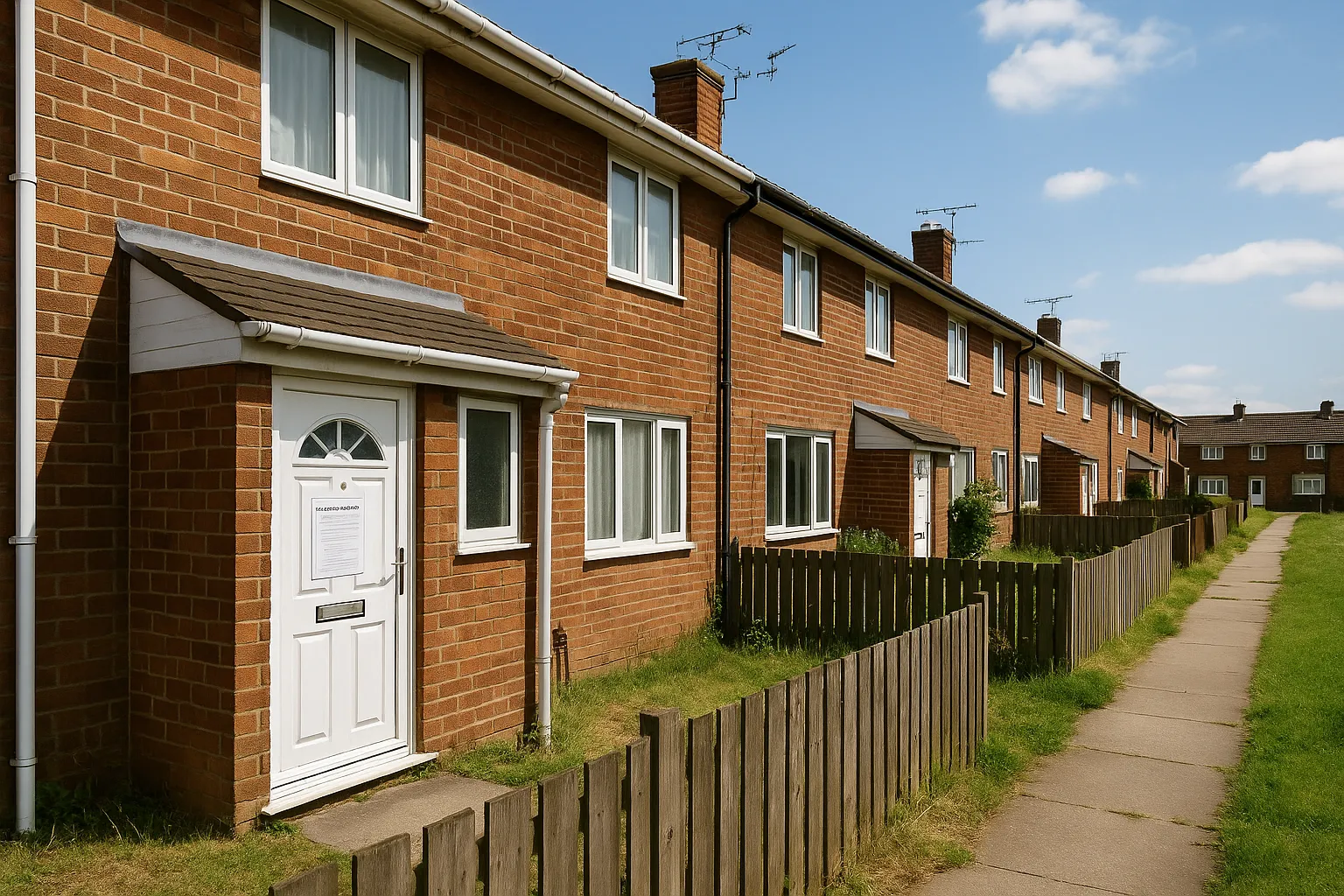
The Regulator of Social Housing has elevated the consumer grading of Castle Point Council from a C4 rating, which signified “very serious failings,” to a C3 designation. While this change indicates that “significant improvements” are still necessary, it reflects some progress in the council’s efforts to enhance its housing services.
Following an inspection conducted in early 2024, evaluators noted advancements particularly in areas concerning the safety and quality of housing, health and safety checks, as well as the overall condition of homes managed by the council. However, the report underscored that significant shortcomings persist, particularly in the council’s adherence to tenancy standards and its efforts towards maintaining transparency, accountability, and the respect of tenant rights.
The report specifically highlighted that while the quality of homes was found to be improving, additional work is needed to address issues related to fair lettings and ensuring that tenants’ voices are heard in decision-making processes. Despite progress being acknowledged in some areas such as safety standards and health assessments, concerns remain prevalent regarding the council’s approach to tenancy management and its commitment to transparency.
A spokesperson for Castle Point Council responded to the findings, stating that the judgement acknowledges progress made, especially in health and safety outcomes and the condition of housing stock. However, the spokesperson also noted the need for continued enhancement in areas like tenancy services and overall transparency. “The judgement reflects issues that have developed over a period of many years, meaning that while progress has been made, sustained improvement is required in order to achieve a higher regulatory rating,” they added. The council is keen to engage actively with the regulator as it implements its housing improvement initiatives.
Among the steps taken, the council has embarked on a comprehensive survey of its housing stock, which is now reported to be 82 per cent completed. This survey has revealed that approximately 10 per cent of council properties fall short of the decent homes standard. To address this issue, a commitment has been made to ensure that all properties will meet that standard by March 2028.
Moreover, the report indicated a revised strategy in handling anti-social behaviour and introduced a new domestic abuse policy, yet it remains unclear how these new measures have impacted tenants thus far. This has led to calls for more visible outcomes that demonstrate tangible improvements in tenant welfare.
Local political figures have voiced mixed reactions to the council’s regulatory rating improvement. Andrew Sheldon, a Conservative county councillor representing Benfleet, described the upgraded rating as “good news,” but cautioned that the pace of change has not been sufficient. “Nearly 18 months after these failings were exposed, serious problems still remain and tenants are still being let down,” he asserted. Sheldon stressed the importance of creating an environment where residents feel safe and heard, adding, “People living in council homes deserve to feel safe, listened to and treated with respect. Residents don’t want excuses or blame games; they want action. They just need to get it done and hurry up about it.”
In light of the upcoming Essex County Council elections, Andrew Sheldon is seeking re-election for the Benfleet seat, competing against several candidates including Laurence Chapman from the Green Party, Nikki Merison from Reform UK, Georgina Morgan-Bates from the Labour Party, Seb Regnier-Wilson of the Liberal Democrats, and Russ Savage representing The People’s Independence Party.
As scrutiny mounts on local governance and housing standards, the council is under pressure to respond effectively to the findings of the regulator. The ongoing improvement efforts will be closely monitored by tenants and community members alike, whose experiences and satisfaction are paramount in shaping future council strategies. The council aims to build confidence among residents through targeted initiatives that are responsive to the needs and expectations of those living in council homes.
Our Thoughts
To avoid the serious failings identified by the Regulator of Social Housing, the Castle Point Council could have implemented proactive measures in accordance with the Housing Health and Safety Rating System (HHSRS) under the Housing Act 2004. By ensuring regular and thorough health and safety assessments, the council could have proactively identified hazards within its properties before they affected tenants.
Additionally, the lack of transparency and accountability breaches the requirements of the Tenant Involvement and Empowerment Standard, which mandates that landlords must engage with tenants effectively and be open about how services are delivered. The council should have established more robust communication channels and feedback mechanisms to ensure tenant concerns are heard and addressed promptly.
The ongoing issues surrounding anti-social behaviour and domestic abuse highlight the need for regular training and awareness programs for staff, aligning with the provisions of the Health and Safety at Work Act 1974, which requires that employees are adequately trained to manage such situations.
Overall, to prevent similar incidents in the future, the council must prioritize not only compliance with standards but also proactive engagement and systematic improvements in its housing strategy.