
















Story Highlight
– Paralympian Abdullah Hayayei died due to cage collapse.
– UK Athletics fined £350,000 for corporate manslaughter.
– Cage was improperly erected without necessary safety features.
– Judge described death as “tragic, untimely, and avoidable.”
– Significant safety reforms implemented by UK Athletics post-incident.
Full Story
Abdullah Hayayei, a dedicated athlete and father, tragically lost his life when a throwing cage collapsed during a training session in London. The incident occurred as the 36-year-old was preparing to represent the United Arab Emirates at the World Athletics Championships in 2017. The haunting memory of that day continues to resonate, leading to severe repercussions for UK Athletics Ltd.
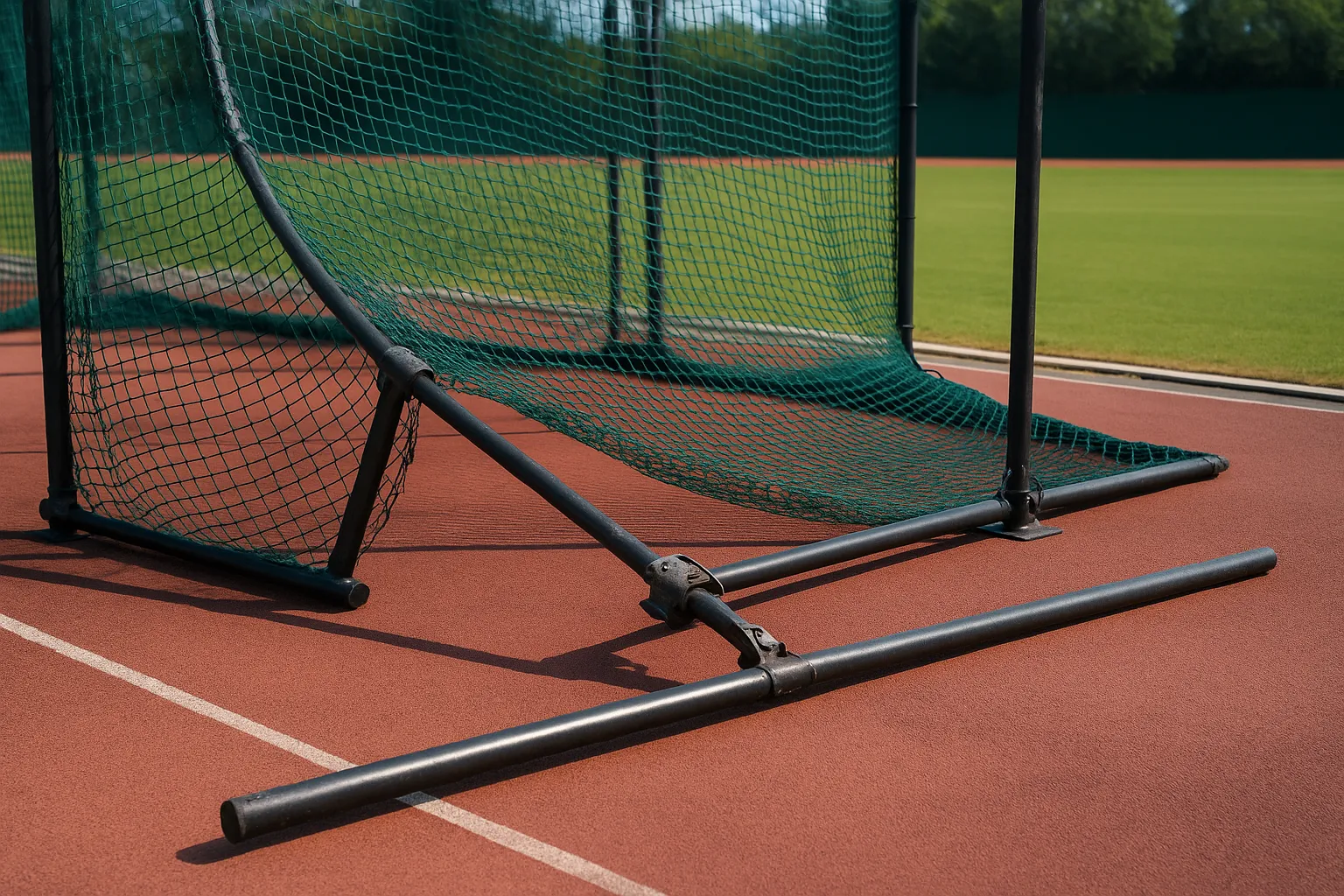
On 11 July 2017, while training at Newham Leisure Centre, Hayayei became the victim of what a judge deemed a “wholly avoidable” accident when a heavy metal cage fell upon him. Weighing approximately 440lb, the structure collapsed due to improper assembly and the absence of necessary safety equipment, a failure that could have been prevented. UK Athletics Ltd has since admitted to corporate manslaughter, resulting in a substantial £350,000 fine alongside costs of £44,000, payable over the next six years.
During the sentencing, Judge Richard Marks KC reflected on the tragic circumstances surrounding Hayayei’s death. He highlighted that the incidents leading to this fatal outcome were not isolated failures but indicative of a broader neglect regarding safety protocols within UK Athletics. Emphasising that financial penalties might hinder the organisation’s ability to support athletes, he stressed that the organisation had been aware of the risks associated with the cages, particularly after a similar structure had previously collapsed without injury.
“There are moments in life that define us,” Judge Marks stated, as he underscored the gravity of the situation. The judge’s remarks pointed to the systemic issues within the management of athletic safety standards, specifically the evident negligence regarding the assembly of the cage, which had been lacking the crucial base plates.
A heartrending account was provided by Hayayei’s widow, Badriah, who connected with the court remotely from the UAE. She shared her family’s devastating loss, stating: “Abdullah was not just a person who passed away. He was a father, a husband with responsibilities, dreams and a future.” Her plea underscored that the consequences of the incident extended far beyond Hayayei’s untimely demise; they affected his five children, who ranged in age from two to 14 at the time. “I hope the court takes a just stance against everyone who caused this because what happened was not just a simple mistake but the result of negligence, gross negligence,” Badriah added.
The proceedings revealed that Hayayei had been preparing to take part in the para athletics shot put event. The fatal incident was marked by a sudden gust of wind that compromised the integrity of the cage during training, causing the upper section to fall directly onto Hayayei’s head. Eyewitness Ayman Mohamed Ali Ibrahim, the UAE team coach, described the alarming moments immediately after the incident, recalling the shock and rush to assist him.
Efforts to save Hayayei were in vain, as he never regained consciousness and tragically passed away at 7:20 PM that day. Following the incident, a prohibition notice was issued for both training cages to prevent any further accidents. Prosecutor John Price KC emphasised the enduring nature of the risk posed by the cages, which had remained improperly secured for years despite previous warnings.
In court, it emerged that UK Athletics had been aware of safety issues as far back as the London 2012 Olympics, when one of the cages had suffered a similar fate but without injuries. Despite this knowledge, the organisation continued to allow athletes to train in a perilous environment. Detective Chief Inspector Lucie Card asserted the failures of UK Athletics, noting that a lead technician confirmed the equipment had not been assembled correctly. “Establishing what failures led to Abdullah’s death has taken years of meticulous work,” she noted, expressing gratitude for the support of Hayayei’s family throughout the protracted investigation.
The financial implications of the case extend further, with UK Athletics having reported an annual revenue of £13.8 million and projected losses of £400,000 in the following year. The substantial fine may further strain the organisation’s ability to fund necessary support for athletes and grassroots programmes.
UK Athletics issued a statement acknowledging the seriousness of the ruling, expressing condolences to Hayayei’s family and recognising the organisational failings that led to the preventable tragedy. “The failings identified in this case should never have happened,” the statement read, pledging commitment to improving safety and governance across all levels of the sport.
In the wake of these events, the sports community continues to reflect on the importance of stringent safety practices. This incident serves as a critical reminder of the responsibility organisations face in ensuring the wellbeing of athletes, especially those with disabilities. Following the substantial fallout from Hayayei’s tragic death, the sport must now prioritise the renovations necessary to implement effective safety measures that safeguard athletes in environments designed for their training.
Our Thoughts
The tragic death of Abdullah Hayayei highlights critical failures in health and safety management by UK Athletics. Key regulatory breaches included non-compliance with the Health and Safety at Work Act 1974, which mandates ensuring the safety of employees and others affected by work activities. The lack of proper assembly of the throwing cage, specifically the omission of base plates, constituted gross negligence, as it was deemed an “accident waiting to happen,” especially after prior incidents were ignored.
To prevent similar incidents, UK Athletics should have conducted thorough safety audits and risk assessments, ensuring all equipment was checked and verified as safe before use. Training for staff on the correct assembly and maintenance of sports equipment is essential, alongside strict adherence to safety protocols.
Moreover, accountability measures should be enforced to ensure compliance with safety regulations, including clear communication regarding equipment standards and modifications. Establishing a culture of safety over financial considerations could enhance protective measures for athletes. This incident underscores the imperative of rigorous safety oversight and training in preventing tragic outcomes in sports environments.