















Story Highlight
– Lee Walker suffered severe health issues from workplace exposure.
– Died from hypersensitivity pneumonitis at age 58.
– Legal case revealed high levels of hazardous mould exposure.
– Beatson Clark admitted breach of duty and paid settlement.
– His death highlights risks of industrial diseases at work.
Full Story
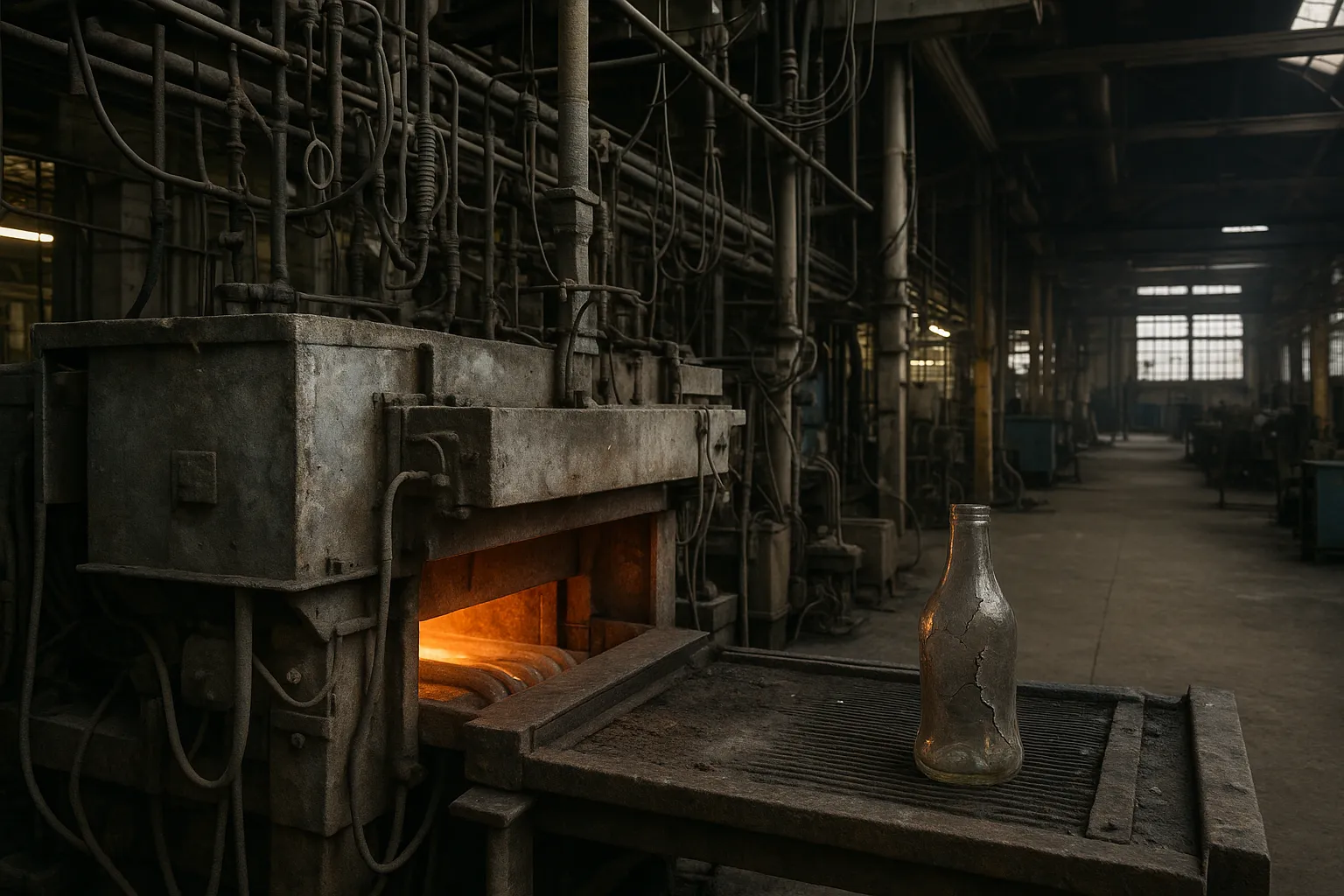
Lee Walker, a devoted husband and father from Rotherham, experienced the devastating effects of a lung condition that ultimately claimed his life at the age of 58. His struggles with extreme fatigue, breathlessness, and severe coughing crises—one of which resulted in a broken rib—highlighted the significant toll that his job as a forehearth specialist at a local glassworks factory had taken on his health.
Commencing his career at Beatson Clark in 2008 at the age of 50, Walker was responsible for maintaining machinery that processes molten glass into bottles and jars. However, his enthusiasm for his work was met with a gradual decline in his health. In 2017, he began suffering from respiratory issues, which made everyday activities increasingly difficult. His wife, Lisa Walker, shared the hardships they faced, recounting how even carrying groceries became a struggle for him.
Lee Walker succumbed to hypersensitivity pneumonitis, a serious lung condition linked to exposure to harmful mould particles, in 2025. This was the result of inhalation of hazardous aspergillus spores prevalent in certain work environments. Research from the University of Manchester estimates that between 3,288 and 4,257 people experience forms of aspergillosis annually, with a notable potential for fatal outcomes. The mould releases spores that can lead to severe respiratory illness in susceptible individuals, and the condition is classified under hazardous biological agents according to the Control of Substances Hazardous to Health Regulations (COSHH).
An internal investigation by Beatson Clark in 2018 revealed alarming contamination in the factory’s water systems, which had high concentrations of aspergillus. These dangerous spores were aerosolized during the processes that Walker was routinely involved in. However, despite the evident dangers, his lawyers claimed that he had never received essential health risk assessments or protective personal equipment (PPE) while employed, resulting in significant exposure to these harmful substances. His rapid health deterioration led him to retire due to ill health in 2019.
In search of a more suitable environment to alleviate his deteriorating lung condition, Lee and Lisa relocated to Cleethorpes in November 2024. Unfortunately, his condition continued to worsen. Ms. Walker recounted that even simple movements, such as turning in bed, left him gasping for breath.
Before his death, the couple initiated a legal claim against Beatson Clark, which admitted to breaching its duty of care in December 2024, resulting in a six-figure settlement. Tragically, Mr Walker did not live long enough to see the outcome, passing away in the Prince of Wales Hospital in Grimsby due to a severe chest infection.
Recalling his final days, Lisa Walker expressed her heartbreak: “I always texted him at night to say goodnight, but on that Friday, I didn’t receive a message. When I woke on Saturday, I still hadn’t heard from him, so I went straight to the hospital. When I arrived, nurses were attending to him, and he kept saying, ‘I’m going, Lisa, I’m going.’” In his final moments, he told the medical staff, “I don’t want to be in any pain. I don’t want to be gasping for breath. Just put me to sleep.”
Reflecting on the aftermath of her husband’s passing, Ms. Walker feels a profound sense of loss and injustice. “I feel absolutely robbed… he was 58, it’s no age at all. I see older couples and think that should have been Lee and me,” she lamented. Walker articulated her frustration over the apparent negligence her husband faced while serving his community through dedicated work.
Alison Gregory from Thompson’s Solicitors, who represented Mr Walker’s case, stated, “You should be able to go to work and not be injured. Unfortunately, this type of incident is still occurring. Beatson Clark should have conducted a thorough risk assessment, which they failed to do.” Her statement emphasized the lack of safety protocols during Mr Walker’s employment, particularly given the hazardous nature of the work involving water systems.
Philip Liptrot, also from Thompson’s Solicitors, remarked on the preventable nature of Walker’s death. “This is yet another example of a devastating and entirely preventable death,” he stated, reinforcing the importance of safety standards in the workplace and the broader implications of industrial diseases that transcend the individual.
Eddie Pickering, managing director of Beatson Clark, expressed condolences to Walker’s family, acknowledging the profound impact of his death. He insisted that this incident was unique and remarked that no similar claims had been made against the company. He reassured that the health and safety of their employees is their utmost priority, committing to stringent safety measures and ongoing improvements.
This tragic story of Lee Walker serves as a sobering reminder of the potential risks posed in industrial environments and the vital importance of stringent health and safety practices in safeguarding workers’ well-being.
Our Thoughts
Lee Walker’s tragic death resulted from inadequate workplace safety measures regarding hazardous biological agents. To prevent such incidents, Beatson Clark could have implemented thorough risk assessments as mandated by the Control of Substances Hazardous to Health Regulations 2002 (COSHH). Regular health risk assessments should have been conducted, and personal protective equipment (PPE) should have been provided to all employees exposed to potentially harmful mould spores. The failure to monitor and control the contaminated water systems, as highlighted in the company’s report, demonstrates a breach of duty and neglect of employee safety.
Key safety lessons include the crucial importance of evaluating workplace hazards, ensuring effective communication about risks, and prioritizing employee health through regular training on the use of PPE and exposure limits. Furthermore, establishing a culture of safety that encourages reporting potential hazards could help identify risks before they lead to serious health issues. Adhering to health and safety regulations and fostering an environment that prioritizes proactive safety measures is essential to prevent similar incidents and protect workers’ health.