
















Story Highlight
– Health minister acknowledges limited NHS access driving black market.
– MPs demand investigation due to deaths linked to obesity jabs.
– Conservative MP warns NHS constraints threaten patient safety.
– Public health minister calls for faster obesity drug rollout.
– Personal story highlights stigma faced by overweight individuals.
Full Story
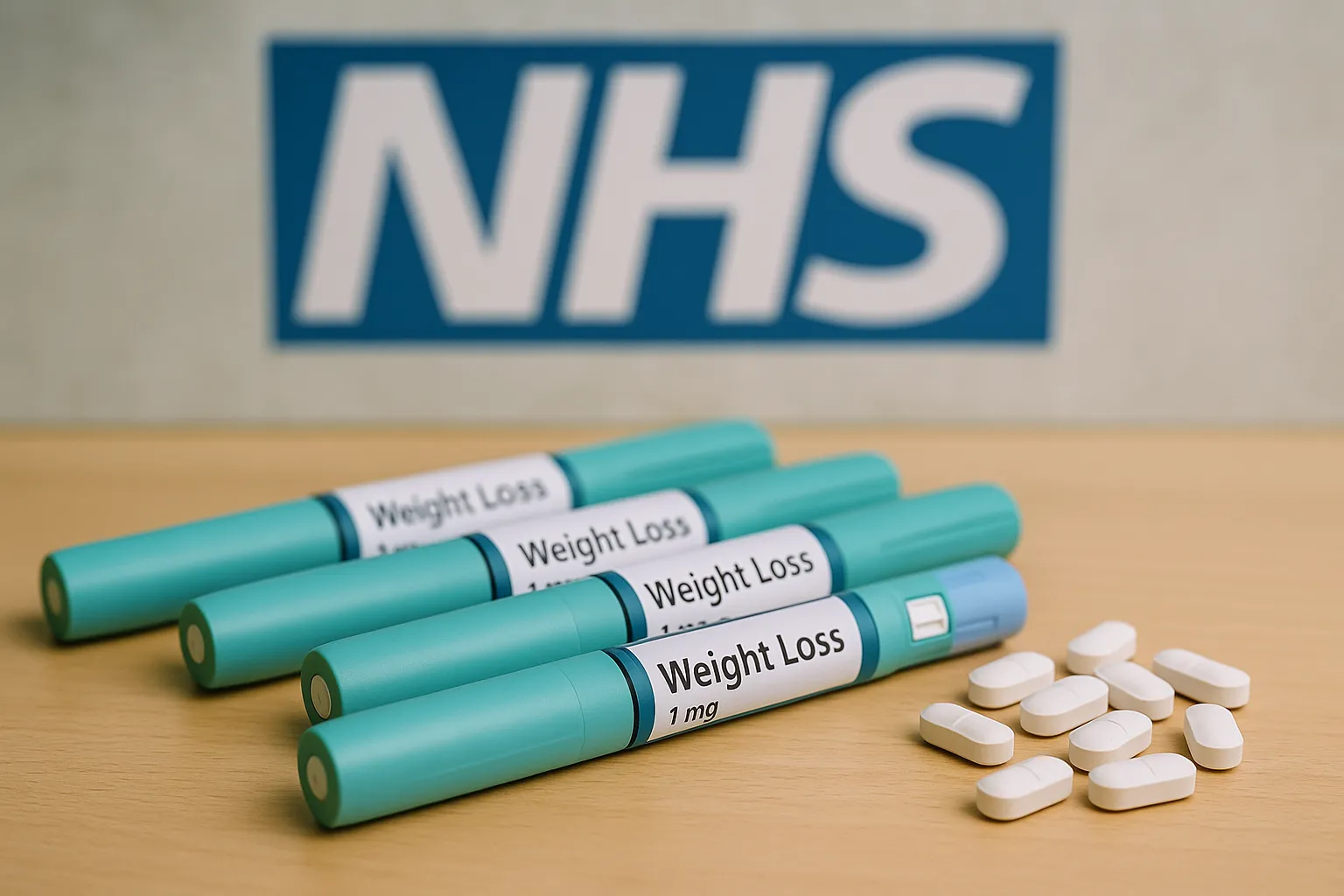
Concerns over the availability of weight loss medications within the National Health Service (NHS) have been raised by a health minister, who remarked that limited access could be prompting individuals to turn to unregulated sources. This development comes amidst rising pressure on officials to thoroughly investigate fatalities potentially linked to illicit obesity treatments.
Members of Parliament (MPs) on the Health and Social Care Committee pressed health officials on actions necessary to combat the illegal sale of anti-obesity drugs. The severity of the issue was underscored by warnings, with one MP asserting, “People have already died as a result of this, and there is a chance that this could get worse.”
The Conservative MP Gregory Stafford questioned whether the restrictions on NHS prescriptions present a risk to patient safety. He noted that the challenges faced by patients may be driving them towards “unregulated and potentially unsafe sources.” Public health minister Sharon Hodgson acknowledged the concern, stating, “I recognise that it will be a driver to people seeking those drugs elsewhere, and obviously the strong advice would be that they use registered pharmacies – whether community pharmacy or online.” Hodgson further connected the issue to overarching financial pressures facing the health system.
Professor Aidan Fowler, who holds the position of national director of patient safety at NHS England, also addressed the committee, confirming that conversations with the Medicines and Healthcare products Regulatory Agency (MHRA) are ongoing. These discussions frequently examine the risks associated with medicine safety and the problem of black market operations, drawing parallels to concerns around the cosmetic surgery industry.
Committee chair Layla Moran provided a sobering narrative regarding the tragic consequences of purchasing medications from the black market. She recounted meeting families who had lost loved ones after obtaining treatments illegally, leading to severe health complications such as sepsis. “The concern is it was the injection itself and its administration that caused the death,” she explained. “They don’t feel that the MHRA are on top of it, and I’m not sure that they will have heard today’s evidence and felt that you guys are either. I really hope, minister, that when you go away and look at this, you bear in mind the fact people have already died as a result of this and there is a chance that this could get worse.”
In response to these harrowing accounts, Hodgson acknowledged the critical need for the NHS to expedite its rollout of weight loss drugs, expressing dissatisfaction with the current rate of treatment provision. She stated, “We’ve got to do it at pace,” highlighting the potential benefits of implementing a new single patient record system intended to streamline the identification of individuals who may qualify for treatment.
In a striking personal anecdote, Hodgson recounted a distressing experience during a medical consultation when a GP referred to her as “fat” as a means of shocking her into awareness about her health. Reflecting on this incident, she noted that the encounter left her feeling “crestfallen” and highlighted the stigma often faced by individuals who are overweight or obese.
As the discussion around obesity treatments continues, some health experts and advocacy groups are calling for a more comprehensive approach to both weight management and the provision of safe, accessible medications. The decisions made by health officials in response to these incidents could have far-reaching implications not only for public health but also for the safety of individuals seeking help in managing their weight.
Experts suggest that addressing the complexities of obesity requires not only improved access to medications but also a broader public health strategy that incorporates education, support, and stigma reduction. This multifaceted approach could mitigate the factors leading individuals to seek treatments through potentially dangerous black market channels.
The rising prevalence of obesity and related health conditions remains a significant challenge for both individuals and health authorities across the UK. With recent studies suggesting that the proportion of adults classified as obese continues to climb, the urgency of conducting a thorough review of services and supports in place is growing more critical.
As conversations about health inequities and access to treatment gain momentum, the responsibility lies with policymakers to ensure that effective, regulated options are available for those in need, thereby steering them away from hazardous alternatives.
Our Thoughts
To prevent the tragic incidents related to black market obesity jabs, several key actions should have been prioritized. Firstly, improving access to regulated weight loss medications on the NHS could have dissuaded individuals from seeking dangerous alternatives. The current access barriers breach the Health and Safety at Work Act 1974, which mandates providing safe healthcare practices and products.
Furthermore, the Medicines and Healthcare products Regulatory Agency (MHRA) must enhance monitoring and enforcement against the illicit sale of medications, aligning with the Misuse of Drugs Act 1971. Increased public awareness campaigns about the dangers of unregulated drugs could also serve to protect individuals from hazardous sources.
Key safety lessons include the need for integrated patient safety communications. Establishing a streamlined process for identifying eligible individuals for treatment can prevent patients from turning to unregulated suppliers. Finally, fostering a supportive healthcare environment that combats stigma may encourage patients to seek proper medical guidance without fear, ultimately improving overall public health and safety.