















Story Highlight
– Worker suffered severe arm injuries from conveyor belt incident.
– Bateman Skips Ltd fined for health and safety violations.
– Company failed to guard dangerous machinery effectively.
– HSE emphasizes risks of unguarded machinery in workplaces.
– Safety regulations not followed led to preventable injuries.
Full Story
A waste and recycling company based in Bristol has been penalised following a workplace accident that has left an employee with significant injuries after being pulled into a conveyor belt. This incident highlights the critical importance of safety measures in environments involving heavy machinery.
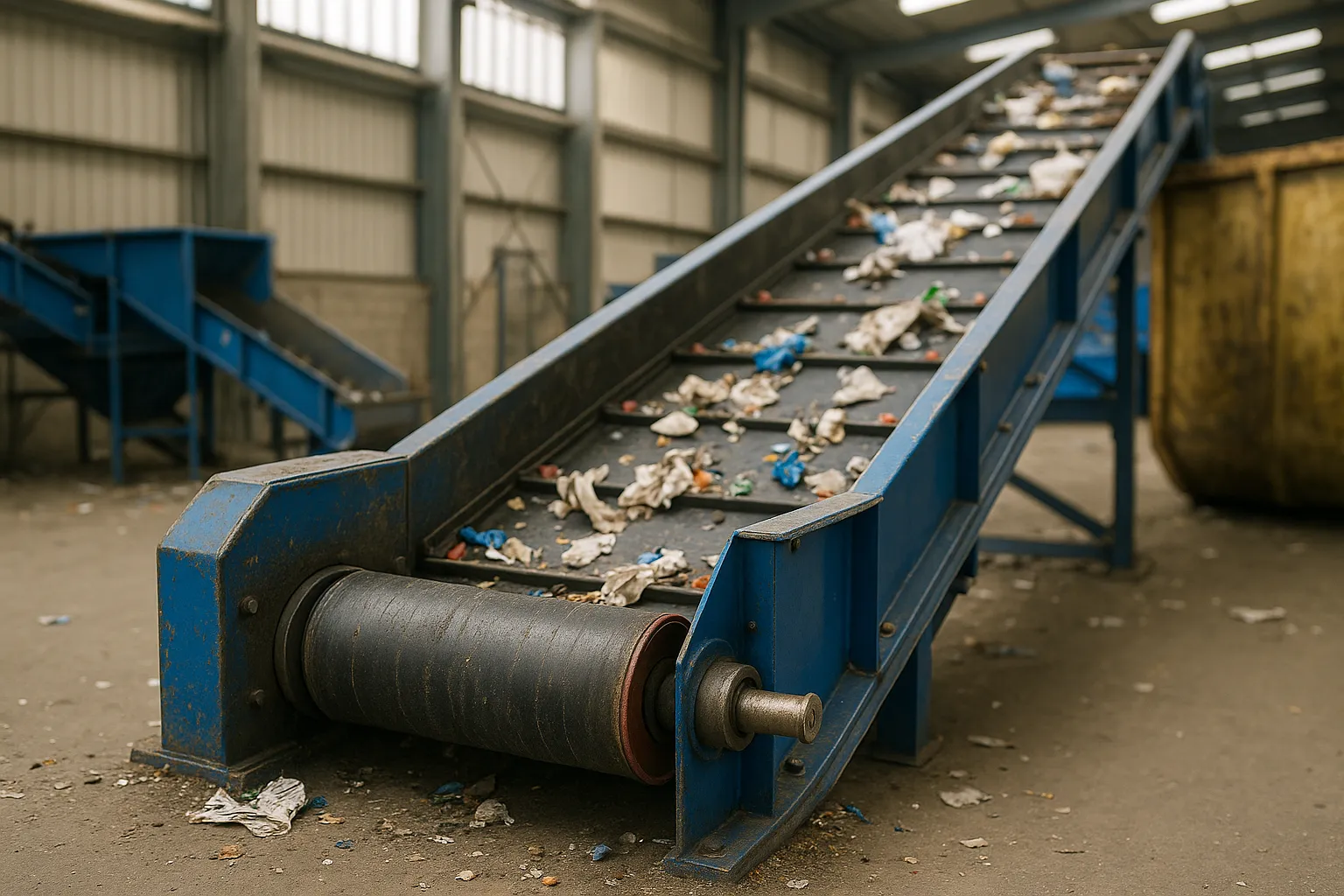
On 27 January 2024, an employee at Bateman Skips Ltd was performing routine tasks when an unanticipated accident occurred. The worker was engaged in clearing a blockage at the facility when their arm became entangled in the unguarded tail-end of a conveyor belt that was transporting waste materials. The consequences of this incident were severe, resulting in multiple injuries including fractures, serious lacerations, nerve damage, and even a fractured rib.
In a poignant victim impact statement, the individual reflected on the deep impact the injuries have had on their life. “I used to enjoy riding my bike, playing darts and snooker with my sons, working on cars, and I am now unable to do any of these tasks,” they shared. They described the incident as the “most traumatic thing” they have ever encountered, stating, “This has been the most traumatic thing I have ever experienced both physically and mentally, and I know it will continue to affect me for the rest of my life.”
An inquiry by the Health and Safety Executive (HSE) revealed that Bateman Skips Ltd had neglected its obligations regarding employee safety. The company failed to enforce adequate measures that would restrict access to hazardous parts of machinery, particularly the conveyor in question, and had not established a safe protocol for addressing blockages within their waste processing facility.
The HSE’s guidelines as outlined in the Provision and Use of Work Equipment Regulations 1998 (PUWER) specify that any component of machinery that poses a foreseeable risk of harm is categorised as dangerous. Employers are compelled to safeguard their employees from such risks by conducting thorough risk assessments and ensuring that protective measures, such as machine guards, are in place. Furthermore, it requires that companies enforce a systematic approach to maintenance and blockage clearance, including the isolation of machinery, clear operational instructions, comprehensive training, and appropriate supervision.
As a result of their findings, Bateman Skips Ltd, situated on Broadmead Lane Industrial Estate in Bristol, faced legal consequences for their failure to adhere to health and safety regulations. The company pleaded guilty to violating Section 2(1) of the Health and Safety at Work Etc. Act 1974, as well as breaching Regulation 11(1) of PUWER. At a hearing on 5 June 2026 at Bristol Magistrates’ Court, the company was fined £64,666 and ordered to pay an additional £4,657 in legal costs.
HSE Inspector Laura Artosi commented on the incident, emphasising the broader issue of workplace safety regarding machinery. “Workers coming into contact with moving machinery is one of the most common causes of workplace fatalities in Great Britain,” she stated. She added that these incidents often stem from inadequate safety measures, particularly regarding poorly guarded machines and insufficient health and safety management systems.
Artosi stressed the obligations of employers, stating, “This wholly preventable incident caused this person and their family physical and emotional pain which has been affecting their lives ever since.” She pointed out that had Bateman Skips Ltd implemented proper safety measures, including the installation of guards on the conveyor and a robust system for managing blockages, the accident could have been avoided.
The legal proceedings were supported by HSE Enforcement Lawyer Jonathan Bambro and Paralegal Officer Gabrielle O’Sullivan, underscoring the commitment of the HSE to uphold workplace safety standards and enforce compliance with health and safety regulations.
The HSE serves as the national safety regulator in the UK, dedicated to ensuring a safe working environment across various industries. They provide essential resources and guidance to help businesses navigate the complexities of workplace safety regulations. Information regarding the legislative framework pertinent to this case can be found on their website.
The repercussions of this incident extend beyond the immediate physical injuries sustained by the affected worker; it has also had a lasting impact on their quality of life. The situation serves as a crucial reminder for employers across all sectors, particularly in industries involving heavy and potentially dangerous machinery, to prioritise the safety of their workforce. Preventative measures are not merely regulatory obligations but fundamental responsibilities that can save lives and enhance the overall workplace experience.
This incident also raises awareness about the prevalence of health and safety violations and the importance of regulatory enforcement. The fact that such accidents continue to occur suggests that there is work still to be done to improve compliance and foster a culture of safety within high-risk industries.
Through robust adherence to safety protocols and continued support from governing bodies, it is possible to reduce the incidence of workplace accidents and protect the well-being of employees. As organisations reflect on this case, they are urged to assess their own safety measures, ensuring that they meet the required standards and actively contribute to a safer working environment for all.
Our Thoughts
The incident at Bateman Skips Ltd highlights critical failures in workplace safety, particularly concerning the safeguarding of moving machinery. To prevent such occurrences, the company should have installed adequate guarding around the conveyor belt, especially at the unguarded tail-end, to comply with Regulation 11(1) of the Provision and Use of Work Equipment Regulations 1998 (PUWER).
Additionally, a robust risk assessment should have been conducted to identify potential hazards associated with clearing blockages in the equipment. Implementing a safe system of work that includes procedures for isolating machinery during maintenance, as per PUWER guidance, would have significantly mitigated risks.
The breaches of Section 2(1) of the Health and Safety at Work Etc. Act 1974 and Regulation 11(1) led to the life-changing injuries sustained by the worker, underscoring the necessity for organizations to prioritize employee safety through better training, supervision, and adherence to health and safety regulations. This case serves as a reminder for all employers in the UK to enforce stringent safety measures to prevent similar incidents.