













Story Highlight
– Joshua Amissah recounts nine-year struggle for justice.
– Skipper admits to insufficient food and rest for crew.
– Tom Nicholson Jr pleads guilty to health violations.
– Investigations reveal systemic mistreatment of migrant fishermen.
– Calls for better protections for migrant workers in fishing.
Full Story
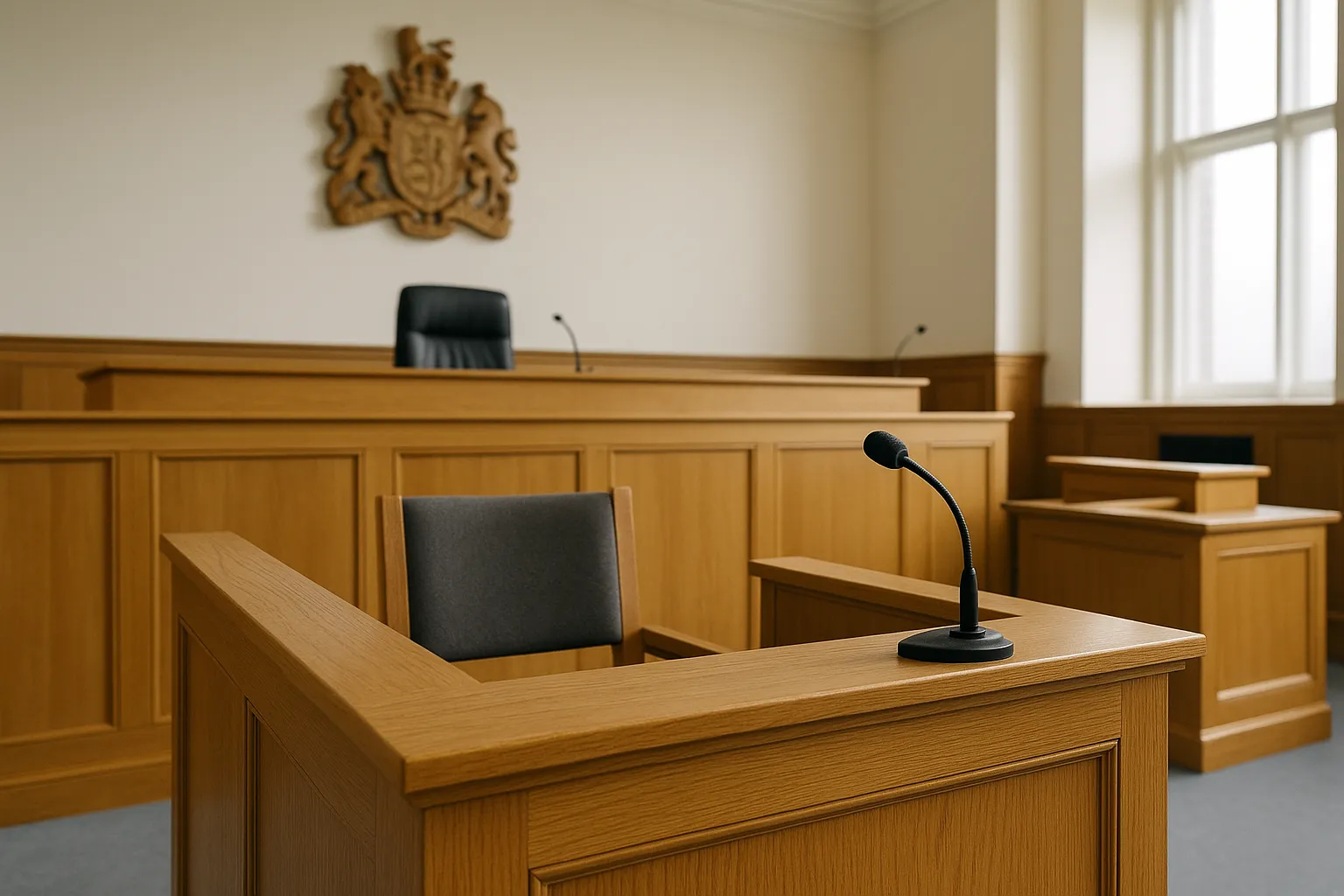
Joshua Amissah, a Ghanaian national, found himself at the centre of a landmark case involving modern slavery aboard a Scottish fishing trawler, marking the conclusion of a nine-year pursuit for justice. As he stood in the witness box, he experienced a wave of emotions, momentarily stepping away from the interpreter stationed beside him to gather his thoughts. The courtroom, filled with silence, bore witness to his composure at a critical juncture in his long fight for recognition and accountability.
Reflecting on his harrowing experience, Amissah disclosed chilling statements made by the vessel’s skipper, saying, “He told us we were slaves. He said that his father had told him that any black person he worked with, he must treat that person as a slave.” His testimony was a crucial part of the evidence presented against the skipper, Tom Nicholson Jr., whose father owned the fishing company TN Trawlers, based in Annan.
The case took a significant turn when Tom Nicholson Jr. admitted to breaching a human trafficking court order—a noteworthy occurrence within Scottish legal confines. This event unfolded just days after his father, Thomas Nicholson, confessed to failing to provide essential food and rest to five Ghanaian fishermen during their employment at TN Trawlers.
This legal development followed a meticulous three-year investigation led by the BBC, which scrutinised complaints about the treatment of migrant fishermen working for TN Trawlers over the past decade. Testimonies revealed a distressing reality aboard the Sea Lady, the fishing trawler where Amissah and his compatriots were employed. The conditions described in court painted a dire picture; an unnamed fellow crew member recounted that in the absence of food, they resorted to consuming fish and octopus caught by their own dredging efforts. Additionally, Amissah noted, “There was no rest during the trip,” detailing the lack of any formal training or induction as they commenced their arduous tasks.
Amissah’s confrontation with the skipper underscored the intense pressure exerted upon the crew. He recounted how they devised a covert rota to allow brief periods of sleep, driven by sheer exhaustion from relentless work demands. The urgency to harvest scallops, according to Tom Nicholson Jr., left no room for any respite or rest. “As soon as we got there, he said we should just get to work,” Amissah recalled, illuminating the atmosphere of exploitation onboard.
After three days of compelling evidence, the case unexpectedly reached its conclusion. Following an amendment to the charges, Tom Nicholson Jr. entered a guilty plea, acknowledging his failure to ensure the provision of adequate food, rest, and training for the Ghanaian crew he managed in the English Channel during their tenure in 2017.
Speaking to members of the media outside Hamilton Sheriff Court, Amissah recounted the intensity of their struggle: “What we experienced nine years ago, that was tough. People don’t understand because they weren’t with us at the fishing grounds.” He emphasized the isolation felt by foreign seamen, who feared repercussions for raising concerns about their treatment. “It pains us. It has cost us a lot,” he stated, urging those in the industry to reconsider their treatment of crew members.
The shifting dynamics of the case meant that fellow crewmates Kow Mensah, Gershon Norvivor, and Kojo Attah were unable to provide their accounts as witnesses due to the sudden guilty plea of Nicholson Jr. However, the court did hear about a pivotal incident involving Augustus Mensah, another crew member who suffered a head injury during tumultuous weather in December 2017. This catastrophic event ultimately led to the crew’s escape and the broader examination of their severe working conditions.
Augustus Mensah, who featured prominently in the BBC’s 2024 documentary “Slavery At Sea,” expressed gratitude for the opportunity to testify after years of silence and struggle. “I was grateful to give evidence because they tried to deceive the public,” he remarked after waiting nearly a decade to share his experiences. The police became involved after the crew sought medical assistance for Mensah’s injuries, revealing deeper issues surrounding their treatment.
Tom Nicholson Jr. is scheduled to be sentenced next month. Although initially charged under human trafficking laws, the case transformed into a prosecution under maritime health and safety regulations following a review by the Crown Office. This circumstance arose after the original human trafficking investigation, named “Operation Feature,” faltered due to insufficient evidence, leading to public outcry for accountability from both the affected individuals and advocacy groups.
Frustration was palpable regarding the leniency shown towards TN Trawlers, particularly after Thomas Nicholson was previously fined for neglecting to provide adequate care for crewmembers. Critics like Phil Taylor from the charity Open Seas contended that the fines issued to both father and son appeared trivial compared to the severity of the offences and the extensive suffering endured by the crew. Taylor also challenged the government, questioning the rationale behind granting financial support to TN Trawlers amid ongoing investigations into their practices.
Police Scotland’s Detective Chief Inspector Paul McNamara emphasised the collaborative effort put forth by various agencies in addressing these troubling incidents within the fishing industry. He reinforced the importance of Trafficking and Exploitation Risk Orders (TEROs) in safeguarding vulnerable individuals and disrupting exploitative operations.
With growing scrutiny over industry practices, voices such as Chris Williams from the International Transport Workers Federation illuminated systemic challenges within migrant worker recruitment in the fishing sector. Williams advocated for comprehensive reforms to bolster workers’ rights and to prevent exploitation. He insisted the UK must reject practices that compromise labour standards and dignity.
The revelations surrounding TN Trawlers resonate deeply within the broader context of modern slavery and human rights abuses in the fishing industry. As investigations continue and support for victims unfolds, the pursuit of accountability stands as a solemn reminder of the ongoing battles faced by many in the maritime workforce.
Our Thoughts
The case involving Joshua Amissah and the crew aboard the fishing trawler Sea Lady highlights significant breaches of UK health and safety regulations, particularly under the Merchant Shipping and Fishing Vessels (Health and Safety at Work) Act 1997. Key failures included the lack of adequate food, rest, and training for crew members, as well as the absence of a proper induction process.
To avoid such situations, strict adherence to legislative requirements regarding crew welfare is essential. Employers should ensure that all crew members receive appropriate training and that working conditions comply with safety standards, including provisions for adequate rest and nutrition. Regular inspections and monitoring by regulatory bodies such as the Maritime and Coastguard Agency (MCA) could prevent exploitation by ensuring compliance with health and safety laws.
Moreover, enhancing protections for migrant workers by enforcing fair treatment and accountability measures in recruitment practices can mitigate risks of exploitation. This incident underscores the necessity for tighter oversight and the importance of reporting mechanisms for workers to voice concerns without fear of repercussions, thereby fostering a safer working environment in the fishing industry.