
















Story Highlight
– HSE and RIO collaborate on workplace robotics safety.
– Project launched during London Tech Week, June 2026.
– Guidance on collaborative robots to enhance safety established.
– First stage aims for regulatory clarity for cobots.
– Industry confidence in robotics adoption promoted by guidelines.
Full Story
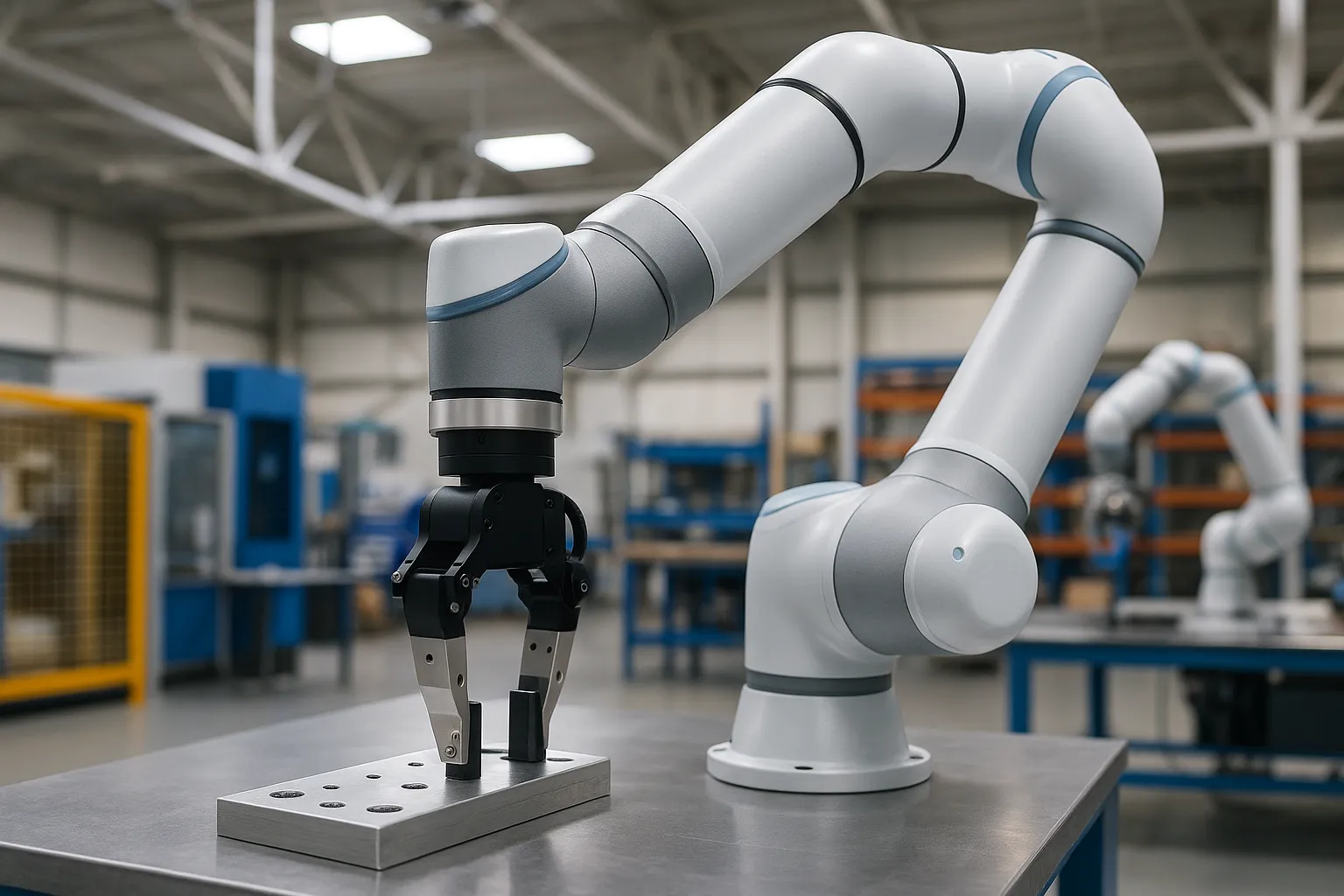
The Health and Safety Executive (HSE), in collaboration with the Regulatory Innovation Office (RIO) and industry stakeholders, has launched a significant initiative aimed at facilitating the safe integration of robotics into workplace environments. This project was announced today, 10 June 2026, during the London Tech Week, and has been carefully crafted in consultation with businesses to provide them with clear guidance on regulatory frameworks surrounding the deployment of robotic technologies.
To enhance the understanding and application of these technologies, the HSE is partnering with Automate UK and the Manufacturing Technology Centre (MTC). This collaboration aims to produce comprehensive practical guidelines detailing how collaborative robots, commonly known as cobots, can function harmoniously alongside human workers. The partnership seeks to blend industry best practices with the HSE’s regulatory insights.
The initiative’s opening phase is set to roll out this summer, with a focus on delivering clear regulatory guidance specifically addressing the use of cobots. This clarity is intended to instill confidence within the industry regarding the safe operation of robots in conjunction with human roles.
Andrew Curran CBE, who serves as the Director of Science and Chief Scientific Adviser at the HSE, emphasised the importance of such guidance in fostering innovation. “We recognise how guidance and advice can give employers the confidence to innovate safely and provide a platform for new technology to improve productivity and enable growth. We understand that despite there being no barrier to adoption in health and safety law, there is a fear of non-compliance, which is limiting adoption,” Curran stated. He further explained that the HSE and its partners are dedicated to producing the first collaborative guidelines regarding cobots, aiming to dismantle obstacles and enhance business confidence in adopting these advanced technologies.
The commitment to improving safety while embedding new technologies reflects the HSE’s overarching goal of ensuring better workplace environments for all. The agency serves as the United Kingdom’s primary regulator for health and safety at work, focusing on protecting individuals and their surroundings while promoting a culture of safety and wellbeing across various sectors.
The Science and Research Centre of the HSE, located in Buxton, Derbyshire, stands as a leading institution for applied scientific research within the domain of health and safety. This centre operates at the forefront of investigations that guide the practical implementation of safety measures in workplaces.
In a rapidly evolving technological landscape, the integration of robotics into everyday operations presents significant opportunities for improvements in efficiency and precision. However, with change comes concern, particularly regarding the potential hazards associated with human-robot collaboration. Many organisations have been hesitant to embrace robotics fully due to fears of running afoul of existing health and safety regulations, which, while not prohibitive, can appear daunting.
Through this initiative, stakeholders aim to demystify the existing legal frameworks, ensuring companies feel empowered to adopt automation technologies with a clear understanding of compliance requirements. The goal is to create a safer labour environment while simultaneously boosting productivity, a critical factor for businesses aiming to remain competitive in a global market increasingly defined by technological advancements.
Industry feedback has been vital in shaping these guidelines, as the HSE and its partners work to address specific concerns businesses face when implementing robotics. Workshops and consultations have allowed for a collaborative exploration of practical strategies for integrating cobots, enabling employers to envisage a more automated future while safeguarding the welfare of their personnel.
In light of these developments, the roles of industries that traditionally rely on manual labour, such as manufacturing and logistics, may see transformative changes. The potential for cobots to undertake repetitive or hazardous tasks could enhance not only operational efficiency but also worker safety by reducing the risk of workplace injuries.
As the first phase of this project prepares to launch, it signals a significant step forward in bridging the gap between technology adoption and safety compliance. By fostering a clearer understanding of legal obligations, the initiative aims to alleviate apprehensions that have historically hindered the rollout of robotic solutions.
The HSE’s approach underscores the balanced relationship between innovation and regulation, highlighting the necessity of a well-informed workforce capable of adapting to new technologies. As the landscape of work continues to evolve, the partnership’s efforts will likely prove crucial in shaping a future where human and robotic collaboration is not only possible but also beneficial to all parties involved.
With such initiatives, the HSE reaffirms its commitment to protecting and promoting health and safety standards, ensuring that progress in technology aligns with the welfare of workers across the nation. As the rollout of these guidelines approaches, the anticipation builds for a renewed confidence among businesses to embrace the future of work safely and effectively.
Our Thoughts
The article highlights the HSE’s initiative to support the safe integration of robotics in workplaces, particularly focusing on collaborative robots (cobots). To avoid potential incidents related to robotics, businesses should prioritize risk assessments under the Health and Safety at Work Act 1974. This includes evaluating the specific risks posed by cobots and ensuring adequate control measures are in place.
Key safety lessons include the importance of clear guidance on human-robot interactions and the necessity for training employees to work safely alongside these machines. The provision of robust regulations and standards, such as those outlined in the Provision and Use of Work Equipment Regulations 1998 (PUWER) and the Management of Health and Safety at Work Regulations 1999, is crucial to ensure compliance and mitigate risks.
Additionally, businesses should implement regular audits and updates to safety protocols to address the evolving nature of robotic technology. By fostering a culture of safety and compliance, the perceived barriers to adopting new technologies can be reduced, thus promoting a safer workplace environment while encouraging innovation.