
















Story Highlight
– Harry and Meghan support UK’s social media ban for kids.
– They emphasize need for deeper online safety measures.
– Prime Minister Starmer cited mental health concerns for children.
– Ban targets major platforms like TikTok and Instagram.
– Meghan faces criticism for sharing her children online.
Full Story
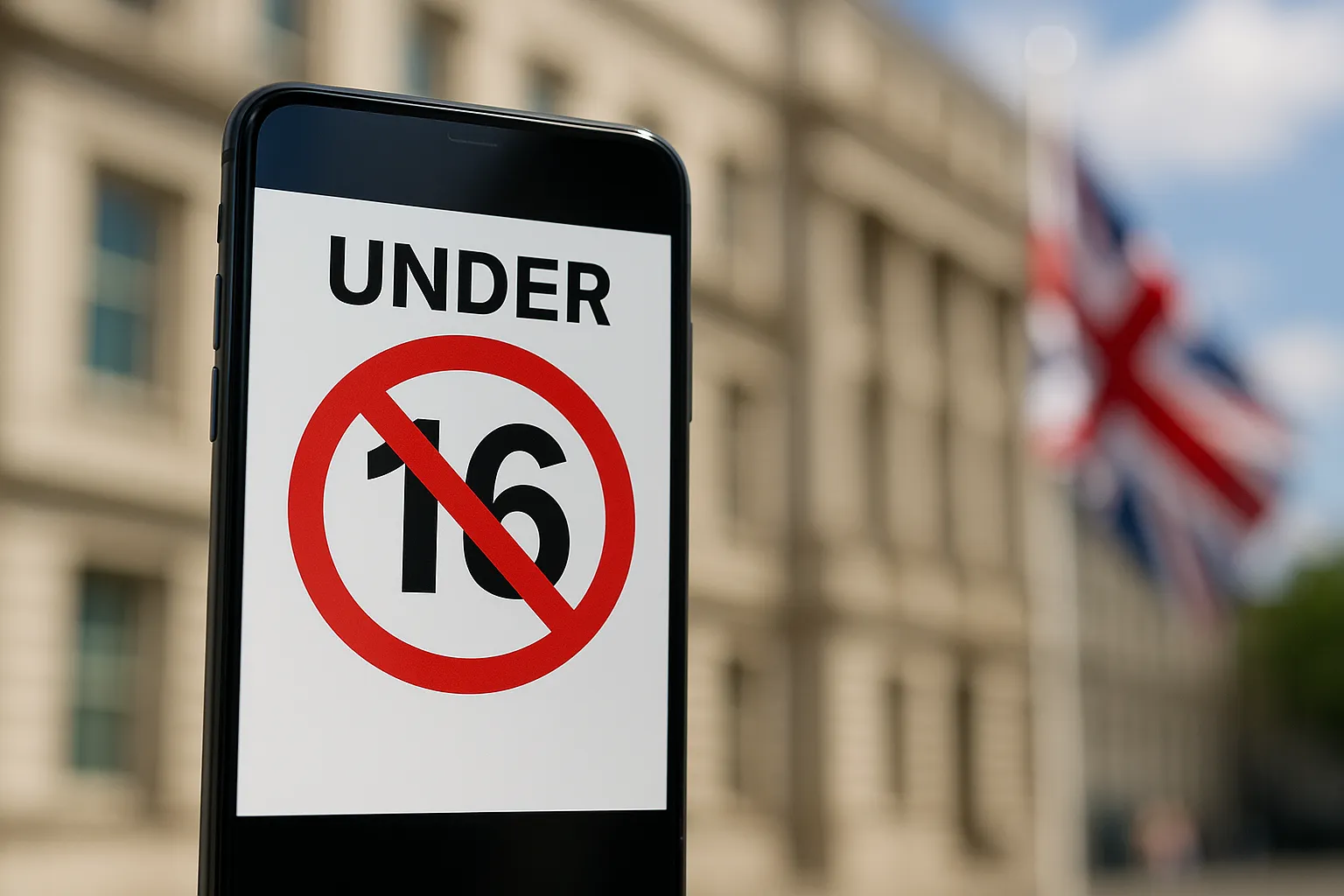
Prince Harry and Meghan Markle, known for their advocacy on children’s online safety, have expressed their views on the UK government’s recent proposal to prohibit social media access for individuals below the age of 16. The Duke and Duchess of Sussex, who have consistently highlighted the importance of safeguarding children from online risks, welcomed the initiative but emphasized that further action is necessary to effectively shield young users from harmful content.
The announcement was made by Prime Minister Keir Starmer on Monday, amid growing concerns that social media poses significant risks to the mental health of children. Starmer’s initiative parallels similar measures instituted in Australia, where a ban on social media for children under 16 was introduced in December 2025.
In a measured statement, the Sussexes acknowledged the government’s proposed measures, describing them as a “welcome step forward.” They cautioned, however, that while these initiatives may mitigate immediate dangers, they do not address the fundamental issues at hand. “We welcome the UK Government’s announcement of new measures to better protect children online,” they stated. “The stories shared through The Lost Screen Memorial remind us that behind every debate about technology and regulation are real families whose lives have been forever changed. While measures such as these may help reduce harm, they do not fix the problem at its source.”
The couple further elaborated, “Lasting change requires safer platforms by design, meaningful accountability, and a commitment to putting children’s well-being ahead of engagement and profit. The burden cannot rest solely on parents and children. It must also be borne by the companies. Until then, every day without meaningful change is another day that children remain exposed to preventable harm. Stronger protections are better than inaction, and today’s announcement is a welcome step forward.”
This recent update comes on the heels of Meghan’s impassioned plea to global health leaders, where she highlighted the pressing need for enhanced online safety measures during the inauguration of the Lost Screen Memorial in Geneva, Switzerland. The memorial serves to honour individuals who have suffered dire consequences due to digital harm. During her address, she framed the safety of children online as a crucial public health concern, asserting, “Children today are being shaped by systems designed to capture attention at any cost: relentless algorithms, exploitative engagement, and endless exposure to harmful content that they are not seeking out.”
The Duke and Duchess have been staunch proponents of stronger safeguards for young internet users for some time. Last year, they unveiled a poignant tribute in New York City, commemorating young lives lost due to the adverse effects of social media, and personally met with families who attribute their children’s deaths to digital platforms. In an address made five months later at a gala event in New York, Harry expressed that the influence of social media on youth is among the most urgent challenges of our era. During this occasion, Meghan indicated that they frequently converse about how to protect their own children, Archie, aged seven, and Lilibet, aged five, as they navigate their formative years.
Despite their commitment to raising awareness around these issues, Meghan has faced scrutiny from royal observers for sharing images of her children on social media, albeit with their faces obscured. Observations made by commentator Duncan Larcombe reflect this tension: “I’m sure her accusers will say she’s exploiting [the children]. Lecturing about children’s privacy but then posting her own children as clickbait,” he noted, suggesting that her actions might contradict her messaging as a campaigner focused on child safety.
The forthcoming government ban, expected to be enacted by Christmas and effective by next spring, shifts responsibility for enforcement from children to technology companies. This new strategy aims to prevent under-16s from engaging with platforms such as Snapchat, TikTok, YouTube, Instagram, Facebook, and X. Starmer articulated the government’s resolve, stating, “I’m not prepared to compromise on the safety of our children. That is why this ban must happen, that is why it will happen.”
This decision has garnered significant attention and debate, with many praising the initiative as a necessary evolution in safeguarding strategies, while others call for a broader examination of the systemic issues within social media infrastructures. Stakeholders and experts continue to advocate for holistic measures that encompass both immediate protections and long-term reforms aimed at creating a safer digital landscape for children.
As discussions surrounding the impact of digital technology on youth intensify, the actions taken by the UK government, alongside the voices of advocates like Harry and Meghan, underscore a growing recognition of the need to prioritise children’s safety in an increasingly connected world. Moving forward, the dialogue on online safety must include diverse perspectives and collaborative efforts to ensure that the measures not only promise protection but are also sustainable and effective in maintaining the well-being of future generations.
Our Thoughts
The recent discussion surrounding the UK government’s decision to ban social media for children under 16 highlights the crucial need for enhanced online safety regulations. To prevent incidents related to online harm, a proactive approach could have included stricter regulation of social media platforms under the UK’s Online Safety Bill, ensuring they implement robust age verification systems and comprehensive content moderation to protect minors.
Key safety lessons include the importance of designing platforms that prioritize child safety instead of profit. Companies must adhere to the Health and Safety at Work Act 1974, specifically concerning the duty of care to users, particularly vulnerable populations such as children. Additionally, the lack of accountability highlighted by campaigners emphasizes a potential breach of the Children Act 1989, which prioritizes the welfare of children.
Moving forward, similar incidents could be avoided through continuous collaboration between governments and tech companies to establish and enforce clearer safety standards and educational programmes for parents about online risks, ensuring children are shielded from exploitative conditions while using technology.