
















Story Highlight
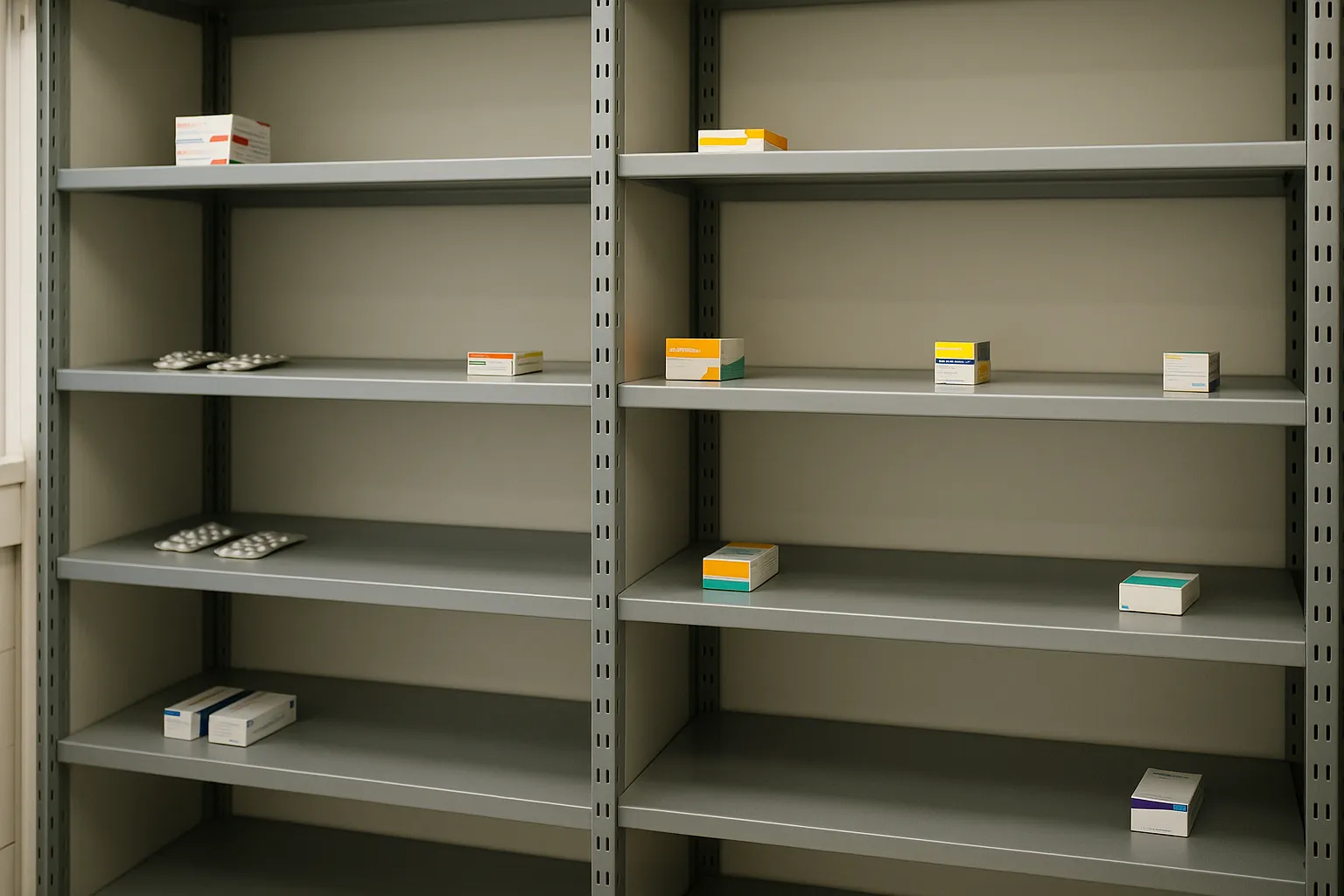
– NHS facing severe medicine shortages, health leaders warn.
– Common painkillers, epilepsy drugs, and HRT most affected.
– Serious risk to patient safety highlighted by pharmacy leaders.
– Shortage protocols for Estradot and Creon extended until July.
– Patients experience stress and frustration seeking medications.
Full Story
Patients in the UK are currently grappling with unprecedented shortages of essential NHS medications, a situation described by health leaders as some of the most severe encountered in recent history. Reports from pharmacists and general practitioners indicate that the availability of several critical medicines has significantly diminished, raising concerns for patient safety and treatment continuity.
The medications most adversely affected include commonly used pain relievers, treatments for epilepsy, and hormone replacement therapies (HRT). Among these, Estradot, a HRT prescribed for menopausal women, and Creon, a medication vital for those with pancreatic cancer and cystic fibrosis, have been highlighted as particularly scarce. The National Pharmacy Association (NPA) has asserted that the ongoing medicine shortages represent a grave threat to patient health.
Both Estradot and Creon have been under serious shortage protocols (SSPs) for extended periods—up to two years in some cases. Such protocols have been instituted as stopgap measures by the NHS to navigate the crises in medication supply. Recently, the NHS has extended the SSP measures for these medications until 10 July, a testament to the ongoing difficulties in securing adequate stock.
Patients reliant on these medications have expressed their frustration and anxiety over the shortages. One individual, who has faced significant challenges in acquiring Creon, explained the impact of these supply issues on their daily life: “There was a three-month window where I couldn’t get hold of my enzymes, so I had to reduce what I was eating. You’d have a much smaller meal; you eat less protein, you eat less fat.” This patient emphasized the stress of constantly monitoring their supply, stating, “If I get anything down to under a month [of supply], I start to panic.”
Patients have also described their experiences navigating the frustration of searching for unavailable medications, with one individual noting, “It’s really stressful; you’re on the phone for just hours, you’re driving around [to visit pharmacies], and all the patients are having to do this day in, day out.” This sentiment underscores the emotional toll that ongoing shortages are exacting on individuals reliant on consistent access to their prescriptions.
Olivier Picard, chair of the NPA, underscored the growing frequency and duration of these shortages. He noted, “Medicine shortages are becoming more frequent, lasting longer, and causing increasing disruption for patients.” His remarks reflect a broader concern that the healthcare sector may not adequately address the supply chain vulnerabilities that contribute to these crises.
Professor Victoria Tzortziou Brown, president of the Royal College of GPs, added to the discourse by highlighting the frustrations experienced not only by patients but also by healthcare providers. She remarked, “Medicine shortages can be frustrating for patients, GPs, and pharmacists alike, especially when patients have to endure lots of back and forth to acquire a suitable alternative. It’s essential that when shortages occur, the underlying causes are quickly identified and resolved.” This call for a systematic response to the root causes of shortages suggests a need for increased coordination and communication among stakeholders in the healthcare system.
Despite the pressing challenges highlighted by health professionals, a spokesperson from the Department of Health and Social Care reassured the public regarding the overall availability of medicines in the UK. “The overwhelming majority of medicines licensed in the UK are in good supply, and patients should know that when visiting the pharmacy, their prescriptions will be available.” The spokesperson also emphasized the government’s commitment to bolstering the domestic medicine manufacturing sector to enhance reliability in supply chains, stating, “Ensuring there is robust supply of medicines is vital and this government is making significant investments in the UK medicine manufacturing industry to strengthen it.”
The current situation has raised questions about the sustainability of the NHS’s ability to provide uninterrupted care amid supply issues and changing circumstances in global medicine production. As health leaders advocate for more proactive measures to understand and alleviate the factors contributing to shortages, patients and healthcare professionals alike continue to navigate the repercussions of these disruptions.
In conclusion, as the UK faces some of the most significant medicine shortages recorded, it is crucial that efforts to identify and rectify the underlying issues are expedited. The health and wellbeing of countless patients hinge on a reliable supply of necessary medications, and both health leaders and policymakers must act decisively to mitigate these challenges. Only through collaborative efforts can the continuity of care be ensured, safeguarding against the heightened risks posed by such shortages.
Our Thoughts
The NHS medicine shortages highlighted in this article present several critical areas for improvement in patient safety and regulatory compliance. To prevent such occurrences, better supply chain management and contingency planning are essential, adhering to the Health and Safety at Work Act 1974, which mandates the creation of a safe and healthy environment, including the availability of necessary treatments.
In this case, the failure to maintain adequate supplies of essential medications directly impacts patient safety, contravening the NHS’s duty of care under the Health and Social Care Act 2008. Key lessons include the necessity for ongoing monitoring of drug availability and proactive communication strategies to address potential shortages before they escalate.
Revisions to procurement practices and stronger collaborations with manufacturers could mitigate shortages and ensure timely responses to supply disruptions. Furthermore, training for healthcare professionals on alternative treatment options should be a priority to enhance patient safety during shortages. Implementing these strategies will align with UK health and safety regulations and serve to protect patients from the risks associated with insufficient access to critical medications.