















Story Highlight
– Inconsistent teaching on sexuality and gender in schools.
– Teachers need more training on complex themes.
– Pupils generally feel safe and valued at school.
– Curriculum lacks coherence from primary to secondary.
– Welsh government commits to improving RSE consistency.
Full Story
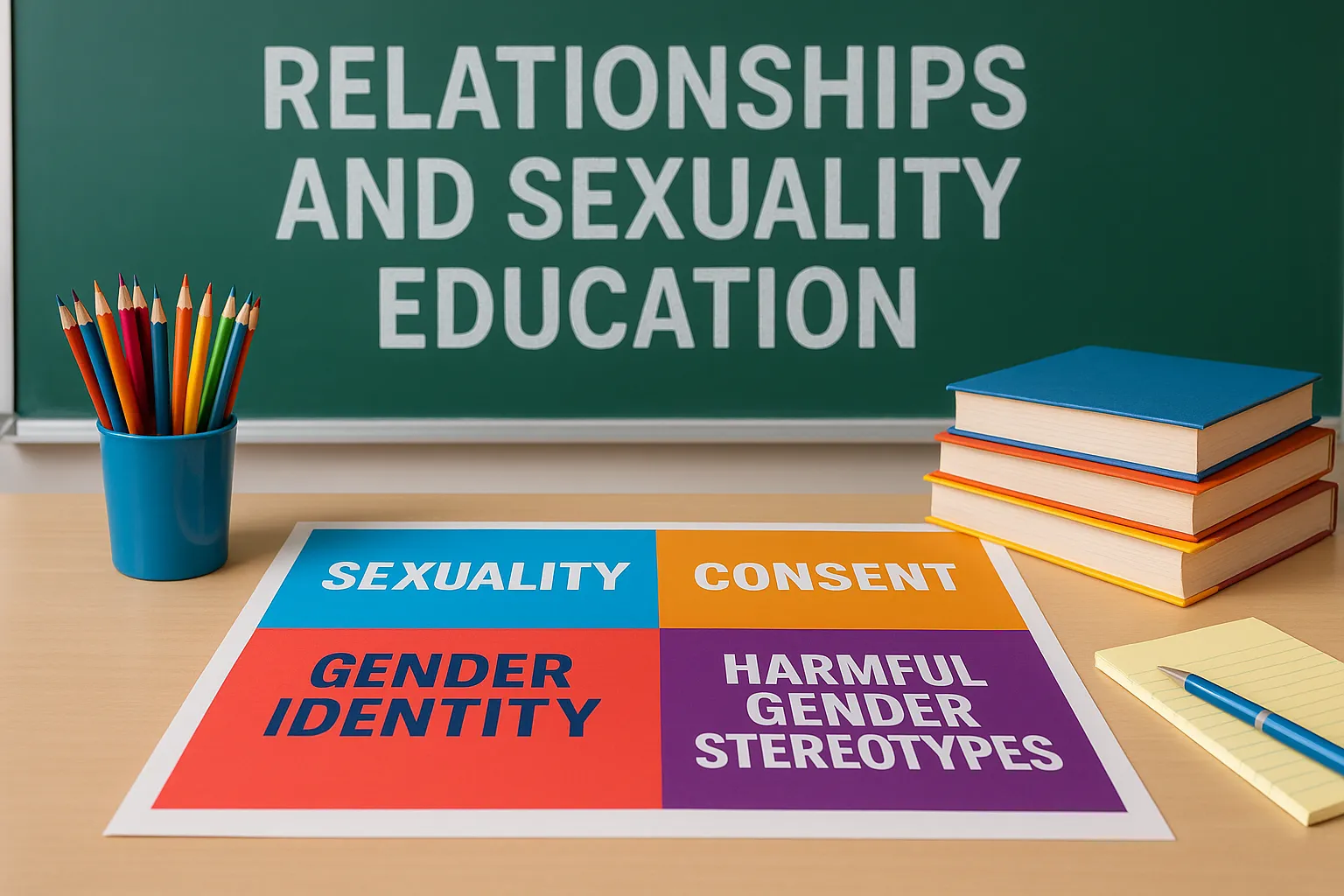
Concerns have been raised regarding the inconsistent teaching of relationships and sexuality education (RSE) in schools across Wales, according to a recent report by Estyn, the Welsh education inspectorate. The report highlights that while there is a strong commitment to promoting student well-being and healthy relationships, many educators lack confidence when addressing complex subjects such as sexuality, gender identity, and harmful gender stereotypes.
The findings stem from an assessment of the state of RSE in schools, which is now a compulsory component of the curriculum for children aged three to sixteen. The programme is designed to cover a range of topics including healthy relationships, sexual health, emotional well-being, and respect for oneself and others. Estyn’s report indicates that while there are positive practices in place, significant gaps remain in the delivery and consistency of education on these vital matters.
In examining the conditions under which RSE is taught, inspectors noted that the level of staff confidence varied considerably. Many educators expressed discomfort and uncertainty in teaching sensitive or intricate themes. Estyn identified this variability in confidence as a crucial area needing improvement across the institutions visited. The report underscores that effective training and support are essential in equipping teachers to handle these themes with the nuance they require.
Despite the inconsistencies, the report revealed that most students spoke positively about their experiences at school, stating that they felt safe, valued, and supported when seeking help. Additionally, numerous schools have established partnerships with health professionals, police, and community organisations, enabling them to address contemporary issues such as online exploitation and unhealthy relationship dynamics more effectively.
However, one of the central findings of the inspection was the lack of a cohesive approach to RSE, especially during the transition from primary to secondary education. There appeared to be a disconnect in the continuity and clarity of the curriculum, which may impede students’ understanding as they progress through their education. Local authority support varied, and budget constraints further complicated the implementation of a comprehensive RSE programme.
“Generally, pupils appear to benefit from age-appropriate learning that corresponds with their developmental needs,” the inspectors noted. Starting as early as three years old, children are introduced to concepts like love, kindness, and friendship, which morph into discussions around themes such as equality and digital safety by the age of seven. By the age of fourteen, the curriculum includes more advanced topics, including consent, gender identity, and the dynamics of abusive relationships.
Despite these advancements, the report cautioned that there is a shortfall in how RSE is integrated into the broader educational framework. Gaps were identified in the exploration of important topics, including sex, gender, and sexuality, while the effectiveness often hinged on the individual educator’s comfort and knowledge relating to sensitive discussions.
Importantly, inspectors observed that in general, the positive aspects of teaching RSE outweighed the negatives. Students showcased qualities such as empathy and respect, demonstrating a willingness to engage in discussions about relationship issues. Younger learners articulated strong concepts of kindness and fairness, while older students exhibited a deeper comprehension of more complicated themes.
Owen Evans, Chief Inspector of Estyn, remarked, “Our inspections identified largely supportive environments where students can learn about healthy relationships and discuss relevant issues openly. However, there are inconsistencies present in how sensitive subjects within RSE are delivered.” Evans stressed the necessity of evolving these discussions to ensure that as students mature, their learning becomes increasingly comprehensive and complex, equipping them with the knowledge and skills they need for future life challenges.
In response to Estyn’s findings, a representative from the Welsh government expressed support for the report. They stated, “We are committed to ensuring that all learners are equipped with the knowledge, skills, and understanding necessary to contribute to their health and well-being.” This commitment is part of an ongoing investment in RSE to ensure that teaching remains consistent across Wales, fostering a standard that addresses the needs of students in various educational contexts.
The emphasis on building a robust framework for RSE reflects a broader awareness of the significance of education in shaping the understanding of interpersonal relationships among young people. Schools are urged to assess their methodologies and embrace training opportunities that enhance the delivery of vital education on relationships and sexuality.
As society progresses, it becomes increasingly important for educational institutions to remain attuned to the realities that students face outside the classroom. By prioritising a well-rounded RSE curriculum and strengthening teacher competency in this area, Welsh schools aim to create environments where students can thrive emotionally and socially.
This approach not only aims to prepare students for healthy relationships but also seeks to foster an understanding of respect and equality, which are crucial as they grow into adulthood. As the conversation around RSE evolves, it will be vital for schools, educators, and policymakers to work collaboratively to ensure that every child receives a consistent, effective, and comprehensive education in relationships and sexuality.
Our Thoughts
The Estyn report highlights inconsistencies in the teaching of Relationship and Sexuality Education (RSE) in Welsh schools, largely due to teachers’ lack of confidence in addressing sensitive topics. To avoid such shortcomings, a more robust training framework for educators is essential, as mandated by the Health and Safety at Work etc. Act 1974, which requires employers to ensure the health and safety of their employees through adequate training and support.
Key safety lessons include the need for continuity in RSE curriculum from primary to secondary education and comprehensive planning to integrate RSE into the broader curriculum, aligned with the Education (Careers Guidance in Schools) Act. Additionally, ensuring sufficient resources and support from local authorities can mitigate variability in program quality.
To prevent similar incidents, schools should establish clear communication channels and regular training updates for staff on sensitive topics, fostering confidence and reinforcing the importance of these discussions for student wellbeing. Continuous assessment of training effectiveness could further enhance the overall educational environment relating to health and safety.