














Story Highlight
– Salmonella outbreak linked to imported eggs, warns UK authorities.
– One death reported; hundreds affected by food poisoning.
– UK-produced eggs with British Lion mark are safe.
– Most cases involve food prepared outside the home.
– Symptoms include diarrhea, cramps, and fever; seek medical advice.
Full Story
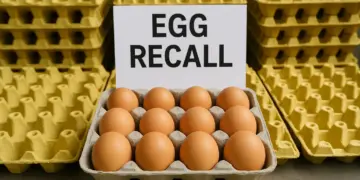
The Food Standards Agency (FSA) in the UK has released a warning concerning egg purchases amidst an ongoing salmonella outbreak, which has resulted in one confirmed death and numerous reported illnesses. Health authorities are currently investigating the source of this outbreak, which the UK Health Security Agency (UKHSA) suggests may be connected to imported eggs.
In a statement, the UKHSA confirmed that there is an ongoing investigation into a cluster of infections, stating that “most cases are linked to eating food prepared outside the home.” Currently, no evidence suggests that eggs produced within the UK are implicated in the outbreak.
The FSA has emphasised that eggs sourced from British producers, particularly those bearing the British Lion mark or those produced under the Laid in Britain assurance scheme, are deemed safe for consumption. Jacquelyn McCormick, who oversees incidents at the FSA, reiterated the agency’s commitment to collaborating with public health agencies to explore the outbreak. She stated, “We are working closely with the UK Health Security Agency and other partners to investigate an outbreak of Salmonella Enteritidis. The exact cause has not yet been identified; however, investigations so far have identified links to eggs imported from outside the UK, primarily utilised by food service and catering establishments such as restaurants or cafes.”
In line with their recommendations, the FSA advises consumers to ensure that eggs are cooked thoroughly and handled with proper hygiene. Vulnerable groups, including infants, young children, pregnant women, and the elderly, are specifically cautioned to consume only those eggs sourced from reputable UK producers. The FSA has underscored that this advice excludes individuals with severely compromised immune systems who require strict dietary controls.
The outbreak has so far led to 207 confirmed cases across the UK, including 199 in England, six in Scotland, one in Wales, and one in Northern Ireland, as reported by the UKHSA. Health officials note that this figure may only represent a small fraction of actual cases, as many could go unreported. The areas with the highest incidence rate include London, with 47 cases, and Yorkshire and the Humber, which accounted for 38 confirmed illnesses.
Salmonella infections, known as salmonellosis, are traditionally linked to contaminated food and are primarily caused by consumption of improperly handled or cooked items. The bacteria thrive in the intestines of infected individuals and animals, spreading through faecal matter. Despite the potential severity of symptoms, particularly among immunocompromised populations, the general public often experiences only mild illness. Symptoms can include diarrhoea, abdominal cramps, vomiting, and fever.
Health officials urge anybody experiencing symptoms of salmonella infection to consult their local GP or utilize out-of-hours medical services for guidance. They have also advised a series of preventative strategies aimed at curbing the spread of the bacteria. This includes rigorous hand washing after using the lavatory or handling food, as well as thorough cooking of all food items.
Hannah Charles, who leads the epidemiology team at UKHSA in gastrointestinal infections, has been actively responding to the widespread concerns over the outbreak. She stated, “We’re working with the Food Standards Agency and other public health agencies to investigate a salmonella outbreak that may be linked to eggs imported from outside the UK. Salmonellosis is often caused by eating or handling contaminated food and can be spread rarely from person to person.”
The FSA’s recent advisory highlights the importance of food safety standards within the industry. UK-operated food enterprises are legally responsible for implementing hygiene practices and food safety protocols designed to mitigate the possibilities of salmonella contamination, ensuring that the public receives safe products.
As the investigation continues, it is vital for consumers to remain vigilant regarding the source of their egg purchases. Recommendations from health officials include favouring UK-produced eggs and following proper handling procedures to minimise the risk of infection. The situation remains under ongoing scrutiny as food safety authorities work diligently to address the outbreak and protect public health.
Our Thoughts
To prevent the salmonella outbreak linked to imported eggs, greater scrutiny of food supply chains is essential. Food businesses must enhance hygiene protocols in line with the Food Safety Act 1990 and maintain rigorous controls as mandated by the Food Hygiene (England) Regulations 2013. Regular audits and checks on imported products could help ensure compliance with standards set forth in the General Food Law Regulation (EC) No 178/2002, which requires food to be safe for consumption.
Key safety lessons involve emphasizing the importance of thorough cooking and proper handling of food, particularly eggs. The advice from the Food Standards Agency regarding the British Lion mark is crucial, yet the onus lies on food service establishments to ensure hygienic practices when using imported products.
Transparency in sourcing and robust traceability systems could also mitigate risks. Additionally, public awareness campaigns to educate consumers on safe food handling practices, particularly for vulnerable population groups, should be strengthened to align with health recommendations.
Ultimately, adherence to UK legislation and proactive measures in food safety management are critical to averting such health crises in the future.