














Story Highlight
– Ole & Steen fined for mouse infestation at flagship store.
– Inspection revealed serious hygiene issues and rodent presence.
– Bakery had prior warnings but took no effective action.
– Fined £26,000, plus £8,847 in costs at court.
– Store committed to improving food safety standards immediately.
Full Story
A prominent Danish bakery chain has faced legal repercussions following the discovery of a serious rodent infestation at its flagship location in London. Ole & Steen, known for its premium baked goods, was fined after Westminster City Council’s environmental health officers uncovered alarming hygiene violations during a routine inspection in January 2025.
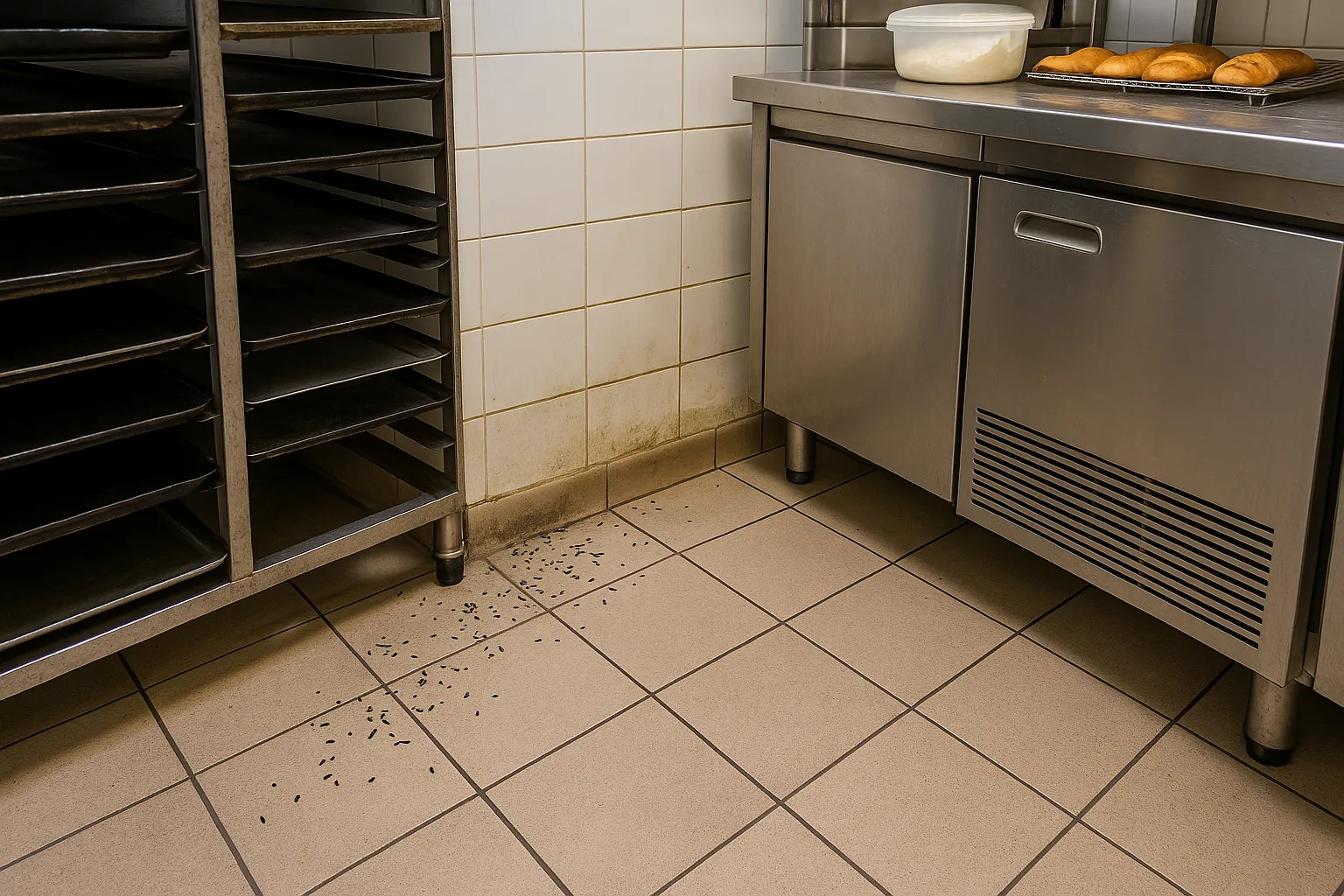
The inspection revealed evidence of mouse droppings in critical areas of the store, including food preparation and storage zones. Despite being alerted to pest control issues by another contractor prior to the inspection, Ole & Steen failed to implement adequate measures to address the problem. Inspectors noted multiple instances of poor food hygiene practices that created an unacceptable risk for cross-contamination amongst the bakery’s offerings.
Ole & Steen, which operates over 100 outlets across the world, including 26 in the UK, pleaded guilty to charges of neglecting the safety of food from contamination caused by pests and inadequate hygiene protocols. The case was heard at Westminster Magistrates Court, where the chain was confronted with a fine of £26,000 and instructed to cover additional costs amounting to £8,847.
Councillor Caroline Sargent, who serves as the deputy leader and cabinet member for enforcement, expressed her dismay at the findings. She stated, “We expect the highest possible food hygiene standards for our residents and visitors, and we will not tolerate a half-baked approach to safety. Our environmental health officers found a catalogue of serious failings, including mouse droppings in several locations and poor food hygiene practices, despite this branch receiving previous warnings. We hope this prosecution will send a message that when it comes to public safety, Westminster City Council will not sugar-coat the facts.”
In response to the incident, a spokesperson for Ole & Steen acknowledged the lapse in hygiene standards at their St James’s Market store, asserting, “In late 2024, the conditions at our St James’s Market store fell below the standard our customers expect and the standard we hold ourselves to. We immediately closed the store to address the issue and re-opened two days later. WCC visited while we were taking action and this location has now been awarded 4 stars for hygiene and cleanliness. We remain committed to upholding the highest food safety and hygiene standards across all of our stores.”
Founded in 2008 by bakers Ole Kristoffersen and Steen Skallebæk, Ole & Steen originated as Lagkagehuset, a joint venture that has since spread across Europe and into the USA. The bakery entered the UK market in 2016 when the Haymarket branch inaugurated its operations, building a reputation for its Danish delicacies. The brand’s commitment to quality has seen it expand rapidly, with numerous locations now available to customers seeking premium baked goods.
The recent legal action against Ole & Steen raises important questions about food safety, particularly within high-profile establishments that consumers trust to meet stringent hygiene standards. As public awareness towards food hygiene continues to rise, the implications of failing to meet such standards can lead to significant reputational damage for brands within the industry.
The concerns surrounding this incident are echoed by consumer advocacy groups, which emphasise the need for rigorous enforcement of food safety regulations across all food service establishments. They advocate for transparency and accountability to ensure that businesses prioritise the health and safety of their customers.
In light of the findings at Ole & Steen, it remains to be seen how the organisation will reinforce its practices to prevent such breaches in the future. Maintaining rigorous hygiene standards is not merely a legal obligation but a critical aspect of building and retaining consumer trust in the competitive food service landscape.
As the public continues to demand higher standards of food safety, it is imperative for all establishments, especially those with a strong brand reputation, to prioritise hygiene and cleanliness. The hope is that the enforcement actions taken by Westminster City Council will not only serve as a deterrent to Ole & Steen but will also resonate across the wider industry.
Moving forward, consumers will undoubtedly remain vigilant, expecting clear communication from businesses about their hygiene practices. The Ole & Steen case may well serve as a pivotal moment in reinforcing the necessity for all food service providers to adhere strictly to safety regulations, highlighting the overarching principle that public health should never be compromised.
This incident offers a unique opportunity for Ole & Steen to reassess its operational protocols and reinforce its commitment to excellence in food safety. By doing so, the bakery can aim to restore consumer confidence and ensure that its locations remain safe havens for those seeking a taste of high-quality Danish baked goods.
Our Thoughts
Ole & Steen’s Haymarket store faced a £26,000 fine due to a serious mouse infestation and poor food hygiene practices, violating UK health regulations including the Food Safety Act 1990, which mandates protecting food from contamination. To prevent such incidents, the bakery could have implemented a more proactive pest management plan following initial warnings from a pest control contractor. Regular audits and staff training on hygiene standards are essential to avoid lapses in food safety practices and contamination risks.
Key safety lessons include the importance of addressing known issues promptly, maintaining rigorous hygiene standards, and fostering a culture of accountability within food establishments. Thorough inspections and corrective actions should be documented to ensure compliance with health codes. In addition, the establishment could benefit from establishing clearer communication channels with pest control services to facilitate immediate interventions when issues arise.
Enforcement of regulations under the Environmental Health and Safety framework, alongside regular inspections, is critical in preventing similar incidents in the future.